Tag: Cinnamaldehyde

  • The Essential Oil of Ceylon Cinnamon

    The Essential Oil of Ceylon Cinnamon

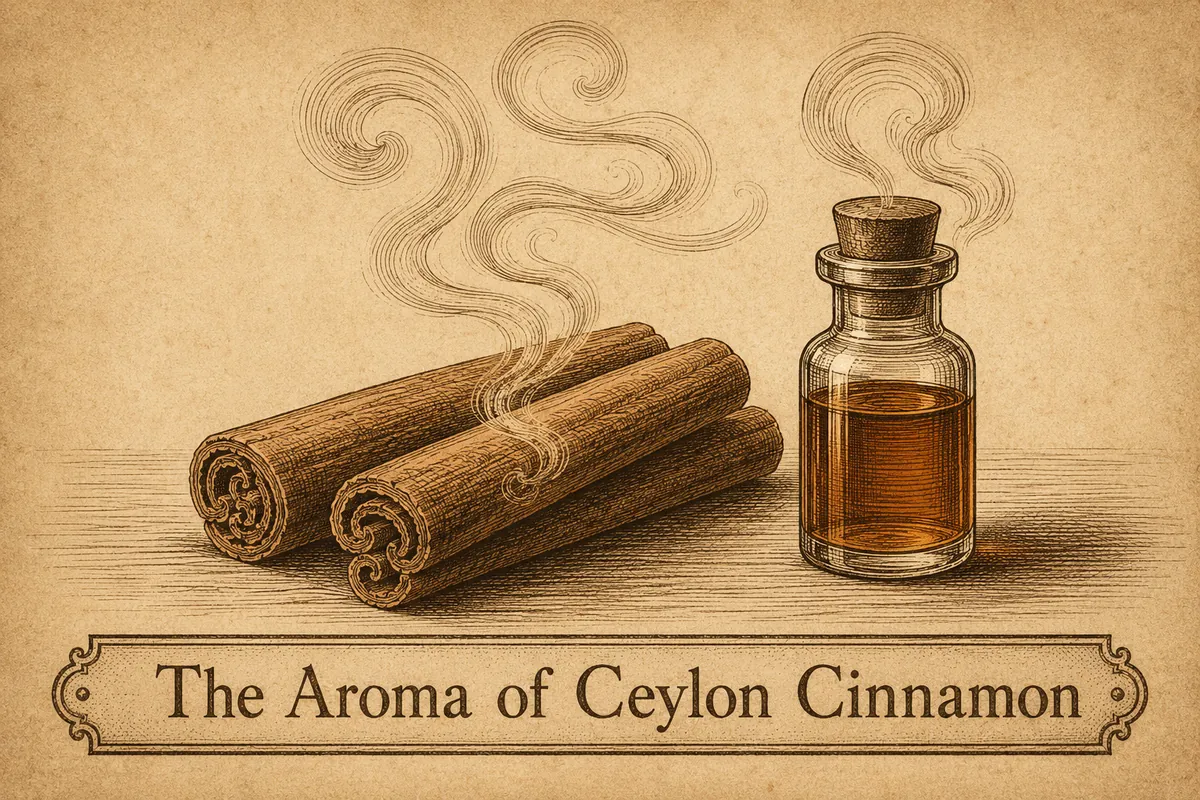
    The essential oil of Ceylon cinnamon is the concentrated aromatic oil drawn from the bark and leaves of Cinnamomum verum, the true cinnamon tree of Sri Lanka. It is produced by steam distillation and carries the plant’s natural aroma compounds in a strong, fragrant form. There are two main types, bark oil and leaf oil, which differ in their main compounds and their scent. The oil is valued for its aroma and flavour and is used in food flavouring, perfumery and fragrance.

    Ceylon cinnamon is known first as a spice, but the same tree also yields a prized essential oil. This guide explains what that oil is, how it is made, what it contains and how it is used, in plain and factual terms. It builds on our pillar guide to what true Ceylon cinnamon is, and sits alongside our introduction to Ceylon cinnamon oil.

    The short answer

    Ceylon cinnamon essential oil is a concentrated aromatic oil steam-distilled from the bark or leaves of Cinnamomum verum. Bark oil is rich in a compound called cinnamaldehyde and has the sweet, warm scent of the spice, while leaf oil is rich in eugenol and smells more clove-like. Both capture the tree’s natural aromatic compounds in concentrated form. The oil is used mainly for its aroma and flavour, in foods, drinks, perfumes and scented products, and it is studied by researchers interested in its naturally occurring compounds.

    What an essential oil is

    An essential oil is the concentrated, aromatic, oily liquid captured from a plant. It holds the volatile compounds that give the plant its smell and much of its flavour, gathered into a small, strong volume. For cinnamon, these are the same aroma molecules you notice when you open a jar of quills, but in a far more concentrated form. Because it is so concentrated, cinnamon essential oil is used in tiny amounts and is very different from ground cinnamon or whole bark used in cooking.

    Bark oil and leaf oil

    Ceylon cinnamon yields two distinct essential oils, depending on which part of the tree is distilled. Bark oil comes from the inner bark, the same material used to make quills, and its main compound is cinnamaldehyde, which gives the sweet, warm, familiar cinnamon scent. Leaf oil comes from the leaves and is richer in eugenol, a compound also found in cloves, so it has a warmer, more clove-like, slightly spicier aroma. Bark oil is generally the more prized and costly of the two, because bark is more limited and its scent is the classic cinnamon note. The difference between the two oils is a good example of how one plant can give more than one aromatic product. Our guide to what gives Ceylon cinnamon its aroma explains these compounds in more detail.

    How the oil is made

    Ceylon cinnamon essential oil is produced mainly by steam distillation. In this process, bark or leaves are placed in a still and steam is passed through them. The heat releases the plant’s volatile aromatic compounds, which travel with the steam into a cooling section, where the steam condenses back into water. The oil separates from this water and is collected. It takes a large amount of plant material to produce a small quantity of oil, which is part of why pure essential oil is concentrated and relatively costly. The method captures the natural compounds of the plant without adding anything to them.

    What the oil contains

    The main interest of cinnamon essential oil, for both industry and researchers, is its naturally occurring compounds. Bark oil is dominated by cinnamaldehyde, usually its largest single component, which carries the characteristic sweet cinnamon aroma. Leaf oil is dominated by eugenol, giving a clove-like character. Smaller amounts of other aromatic compounds are present in both, contributing to the full scent. These compounds are studied by scientists interested in the chemistry of aroma and flavour. It is worth noting that true Ceylon cinnamon is also low in coumarin, a compound discussed in our guide to coumarin levels in Ceylon cinnamon versus cassia.

    FeatureBark oilLeaf oil
    SourceInner bark of the treeLeaves of the tree
    Main compoundCinnamaldehydeEugenol
    AromaSweet, warm, classic cinnamonWarmer, clove-like, spicier
    Relative costHigher, more prizedLower, more plentiful
    Common usesFlavouring, fine fragranceFragrance, scented products

    How the oil is used

    Ceylon cinnamon essential oil is used mainly for its aroma and flavour. In food and drink, tiny, carefully measured amounts are used as a flavouring by manufacturers, since the oil is far too strong to use like ground cinnamon at home. In perfumery and fragrance, cinnamon oil adds a warm, sweet, spicy note to perfumes, soaps, candles and other scented goods. It also appears in the flavour and fragrance industry more broadly, wherever a concentrated cinnamon character is wanted. Across all these uses, the appeal is the same: a small amount of oil carries a great deal of the plant’s natural scent and taste.

    Why Ceylon cinnamon oil is distinctive

    The essential oil of Cinnamomum verum is tied to the same qualities that make the spice itself prized. The bark of true cinnamon is thin, fine and sweetly aromatic, and its oil carries that delicate, warm character. This is different from the oil of cassia, the coarser cinnamon-like barks from other species, which tends to be harsher. Just as whole Ceylon cinnamon is valued for its gentle, refined aroma, its essential oil is valued for the same reason. The origin in Sri Lanka, and the particular species, are part of what defines the product.

    Oil, spice and the whole plant

    Essential oil is one of several products that come from the Ceylon cinnamon tree. The bark becomes quills and ground cinnamon, the same bark and the leaves can be distilled into oil, and nothing of the tree’s aromatic value is wasted. Seeing the oil in this context helps explain the plant: it is a single species, Cinnamomum verum, grown in Sri Lanka, that yields a spice, an oil and a range of aromatic materials. The essential oil is simply the most concentrated expression of the aroma that the whole tree carries.

    Pure oil, blends and fragrance oils

    Not everything sold as cinnamon oil is the same thing. A pure essential oil is distilled only from the cinnamon plant and nothing else. Alongside it, the market also offers diluted oils, where the essential oil is mixed into a carrier oil, and synthetic fragrance oils, which copy the cinnamon scent using manufactured aroma chemicals rather than the plant itself. These products smell of cinnamon but are not the same as pure distilled oil, and they are often cheaper. For anyone wanting the genuine article, the label matters: a pure Ceylon cinnamon essential oil should name the plant, Cinnamomum verum, and state whether it is bark or leaf oil. This mirrors the care needed when buying the spice itself, where origin and species on the label are the clearest signs of authenticity.

    Summary

    The essential oil of Ceylon cinnamon is a concentrated aromatic oil steam-distilled from the bark or leaves of Cinnamomum verum, the true cinnamon tree of Sri Lanka. Bark oil, rich in cinnamaldehyde, carries the sweet, warm classic cinnamon scent, while leaf oil, rich in eugenol, has a more clove-like character. The oil is made by passing steam through plant material and collecting the aromatic compounds it releases, and it takes a lot of material to make a little oil. Used in tiny amounts, it flavours foods and drinks and scents perfumes and other products, and its naturally occurring compounds are studied by researchers. As one of several products of the same tree, the oil is the most concentrated form of the aroma that makes Ceylon cinnamon prized.

    Frequently asked questions

    What is Ceylon cinnamon essential oil?

    It is a concentrated aromatic oil distilled from the bark or leaves of Cinnamomum verum, the true cinnamon tree of Sri Lanka. It captures the plant’s natural aroma compounds in a strong, fragrant form and is used mainly for flavour and fragrance.

    What is the difference between bark oil and leaf oil?

    Bark oil comes from the inner bark and is rich in cinnamaldehyde, giving the sweet, classic cinnamon scent. Leaf oil comes from the leaves and is rich in eugenol, giving a warmer, clove-like aroma. Bark oil is generally more prized and more costly.

    How is cinnamon essential oil made?

    It is produced mainly by steam distillation. Steam is passed through bark or leaves, releasing their volatile aromatic compounds, which are then cooled, condensed and collected as oil. A large amount of plant material yields only a small quantity of oil.

    What is cinnamon essential oil used for?

    It is used mainly for its aroma and flavour: as a carefully measured flavouring in food and drink manufacturing, and as a warm, spicy note in perfumes, soaps, candles and other scented products. It is always used in very small amounts because it is highly concentrated.

    Is Ceylon cinnamon oil different from cassia oil?

    Yes. Ceylon cinnamon oil comes from Cinnamomum verum and tends to have a finer, sweeter, more delicate character, matching the refined aroma of true cinnamon. Cassia oils, from other species, are generally harsher in scent.

    This website provides educational information about Ceylon Cinnamon as a spice and food ingredient. It is not intended to provide medical advice or make health claims.

  • What Is Ceylon Cinnamon Oil?

    What Is Ceylon Cinnamon Oil?

    Ceylon cinnamon oil is the concentrated essential oil extracted from the bark or leaves of the true cinnamon tree, Cinnamomum verum, from Sri Lanka. It captures the warm, sweet, spicy aroma and flavour of cinnamon in a highly concentrated liquid form. There are two main types: cinnamon bark oil, which has the rich, sweet character of the spice itself, and cinnamon leaf oil, which is warmer and more clove-like. Both are used as flavourings and fragrances, and because they are so concentrated, only tiny amounts are needed.

    Cinnamon oil is one of the many forms in which Ceylon cinnamon reaches the world. This guide explains what it is, how it is made and how it is used. It builds on our pillar guide to what true Ceylon cinnamon is.

    The short answer

    Ceylon cinnamon oil is the essential oil distilled from the bark or leaves of Cinnamomum verum, giving a highly concentrated form of cinnamon’s aroma and flavour. Bark oil carries the sweet, warm scent of the spice, while leaf oil is more clove-like. Both are potent, so only a very small amount is used, whether for flavouring food and drink or as a fragrance.

    Bark oil and leaf oil

    The most important thing to understand about cinnamon oil is that there are two main kinds, and they are quite different.

    Cinnamon bark oil

    Bark oil is distilled from the inner bark, the same part of the tree used to make cinnamon quills. It has the rich, sweet, warm aroma most people associate with cinnamon, dominated by the compound cinnamaldehyde. Because it comes from the prized bark, it is generally the more expensive of the two and the one valued for a true cinnamon flavour and scent.

    Cinnamon leaf oil

    Leaf oil is distilled from the leaves of the tree rather than the bark. Its aroma is warmer, spicier and more clove-like, because it is higher in a compound called eugenol, which is also found in cloves. Leaf oil is usually less costly than bark oil and has a slightly different character, so the two are chosen for different purposes. To understand the compounds behind these differences, see our guide to cinnamaldehyde.

    Bark oil vs leaf oil at a glance

    Comparing Ceylon cinnamon bark oil and leaf oil.
    FeatureBark oilLeaf oil
    SourceInner barkLeaves
    Main compoundCinnamaldehydeEugenol
    AromaSweet, warm, true cinnamonWarmer, spicier, clove-like
    CostHigherLower
    Typical useFlavour, fine fragranceFragrance, flavouring, scenting

    How cinnamon oil is made

    Ceylon cinnamon oil is usually produced by steam distillation. In this process, steam is passed through the cinnamon bark or leaves, carrying the volatile aromatic oils with it. The steam and oil vapour are then cooled and condensed back into liquid, and the oil, which does not mix with water, is separated off. The result is a concentrated essential oil holding the fragrant compounds of the plant. Because the oils are the same volatile compounds that give the spice its scent, distilling them simply captures that aroma in a pure, concentrated form, a theme covered in our guide to what gives Ceylon cinnamon its aroma.

    What cinnamon oil is used for

    Cinnamon oil has several everyday uses, all built on its strong aroma and flavour.

    Flavouring

    In food and drink, cinnamon oil is used as a concentrated flavouring, for example in confectionery, baked goods, and some beverages. A very small amount delivers a strong cinnamon taste. Food-grade cinnamon oil should always be used for this purpose, and only in tiny quantities.

    Fragrance and scenting

    Cinnamon oil is widely used as a fragrance, in perfumes, scented candles, potpourri and household scents. Its warm, spicy aroma is especially popular in autumn and festive scents, where it evokes a cosy, comforting mood.

    Traditional and aromatic use

    Cinnamon and its oil have long been valued as aromatics, historically prized for their fragrance. Today cinnamon leaf and bark oils remain popular in aromatic blends and scented products, continuing this long tradition of enjoying cinnamon for its smell.

    Why cinnamon oil is so concentrated

    It is worth stressing just how concentrated cinnamon oil is. A single small bottle of essential oil holds the aromatic compounds from a large amount of bark or leaves, so it is far stronger than the spice itself. This is why only a drop or two is needed to flavour or scent, and why cinnamon oil should be handled with care and, for culinary use, always be food grade and heavily diluted. Undiluted essential oils are very strong and are not meant to be used neat. Treating cinnamon oil as the potent concentrate it is helps you use it safely and get the best from it.

    How to choose a good cinnamon oil

    If you are buying cinnamon oil, a few things help you choose well. First, check whether it is bark oil or leaf oil, since they smell and behave differently and suit different purposes. Second, look at the source: oil made from true Ceylon cinnamon (Cinnamomum verum) from Sri Lanka carries the fine, sweet character of the real spice, so a clear botanical name and origin on the label are good signs. Third, decide what you need it for, and if it is for food, make sure it is clearly sold as food grade, since not all essential oils are intended for eating. Finally, buy from reputable sellers who are open about what their oil is and where it comes from. A little care at the point of purchase makes it much easier to use the oil confidently afterwards.

    Storing cinnamon oil

    Like the aromatic oils in the spice itself, the compounds in cinnamon oil are volatile and can fade or change over time if the oil is not kept well. The usual advice is to store essential oils in a tightly closed bottle, away from heat and direct light, in a cool place. Dark glass bottles are commonly used because they help shield the oil from light. Kept this way, a good cinnamon oil holds its strong aroma for a long time. Because only tiny amounts are used at a time, a small bottle tends to last, so careful storage really pays off in keeping every drop fragrant and effective.

    Cinnamon oil and true Ceylon cinnamon

    As with the spice itself, there is a difference between oil from true Ceylon cinnamon (Cinnamomum verum) and oil from cassia. Ceylon cinnamon oil reflects the milder, sweeter, more refined character of the true spice, while cassia oil tends to be sharper and is often cheaper and more common. For those who value the fine flavour and aroma of true cinnamon, Ceylon cinnamon oil offers that same quality in concentrated form. Choosing oil made from genuine Sri Lankan Cinnamomum verum is the way to be sure of it, which ties back to the broader picture in our guide to the culinary uses of Ceylon cinnamon.

    Frequently asked questions

    What is Ceylon cinnamon oil?

    It is the concentrated essential oil extracted, usually by steam distillation, from the bark or leaves of the true cinnamon tree, Cinnamomum verum, from Sri Lanka. It captures the warm, sweet, spicy aroma and flavour of cinnamon in a highly concentrated liquid, used as a flavouring and fragrance.

    What is the difference between cinnamon bark oil and leaf oil?

    Bark oil is distilled from the inner bark and has the sweet, warm aroma of true cinnamon, led by cinnamaldehyde. Leaf oil is distilled from the leaves and is warmer and more clove-like, being higher in eugenol. Bark oil is usually more expensive; leaf oil is generally cheaper.

    How is cinnamon oil made?

    Most cinnamon oil is made by steam distillation. Steam is passed through the bark or leaves, picking up the volatile aromatic oils, then cooled so the oil condenses and can be separated from the water. This captures the fragrant compounds of cinnamon in concentrated form.

    Is Ceylon cinnamon oil used in cooking?

    Yes, food-grade cinnamon oil is used as a concentrated flavouring in confectionery, baking and some drinks, but only in tiny amounts because it is so strong. It should always be food grade and well diluted, and undiluted essential oils are not meant to be consumed neat.

    Summary

    Ceylon cinnamon oil is the concentrated essential oil of the true cinnamon tree, Cinnamomum verum, distilled from either the bark or the leaves. Bark oil carries the sweet, warm aroma of the spice, led by cinnamaldehyde, while leaf oil is warmer and more clove-like, higher in eugenol. Made mainly by steam distillation, the oil captures cinnamon’s fragrance in a very potent form, used as a flavouring, a fragrance and an aromatic. Because it is so concentrated, only a little is needed, and food use calls for food-grade oil, well diluted. As ever, oil from genuine Ceylon cinnamon reflects the fine, sweet character of the true spice.

    This website provides educational information about Ceylon Cinnamon as a spice and food ingredient. It is not intended to provide medical advice or make health claims.
  • What Gives Ceylon Cinnamon Its Aroma?

    What Gives Ceylon Cinnamon Its Aroma?

    Ceylon cinnamon owes its warm, sweet scent to the natural oils held in its bark. The main aroma compound is cinnamaldehyde, which gives cinnamon its familiar spicy-sweet character, supported by smaller amounts of other fragrant compounds such as eugenol and linalool. In true Ceylon cinnamon these oils sit in a gentle balance, producing the soft, delicate, slightly floral aroma that sets it apart from the sharper smell of cassia.

    The smell of cinnamon is one of the most recognisable in any kitchen, and it comes down to chemistry that researchers have studied closely. This guide looks at the compounds behind the scent and why Ceylon cinnamon smells the way it does. It builds on our pillar guide to what true Ceylon cinnamon is.

    The short answer

    Ceylon cinnamon smells the way it does because of aromatic oils in the bark, led by cinnamaldehyde and rounded out by compounds such as eugenol and linalool. Cinnamaldehyde carries the core spicy-sweet note, while the supporting compounds add warmth, depth and a soft, clove-like or floral edge. The particular mix found in Cinnamomum verum gives it a milder, sweeter aroma than cassia.

    Cinnamaldehyde: the heart of the scent

    The single most important compound behind cinnamon’s smell is cinnamaldehyde. It is the substance most responsible for the warm, spicy, sweet aroma that people instantly recognise as cinnamon. When you catch the scent of a cinnamon stick or a jar of ground cinnamon, cinnamaldehyde is doing most of the work. It occurs naturally in the bark oil of the cinnamon tree, and it is present in both Ceylon cinnamon and cassia, though in different proportions. To read more about this compound on its own, see our guide to cinnamaldehyde in cinnamon.

    The supporting cast of aroma compounds

    Cinnamaldehyde may lead, but it does not act alone. A number of other naturally occurring compounds shape the full character of Ceylon cinnamon’s scent.

    Eugenol

    Eugenol is a compound also found in cloves, and it lends a warm, slightly clove-like note. In Ceylon cinnamon it is present in modest amounts and adds roundness and depth to the aroma. It is one of the reasons the smell feels warm rather than flat.

    Linalool and other notes

    Ceylon cinnamon also contains small quantities of compounds such as linalool, which carries a soft, sweet, slightly floral note. Traces of other fragrant substances add further nuance. Together these lighter compounds give Ceylon cinnamon its gentle, refined character, a softness that many people notice when they smell it beside a stronger cassia stick.

    The aroma compounds at a glance

    The main aroma compounds in Ceylon cinnamon and what they contribute.
    CompoundAroma note it adds
    CinnamaldehydeCore warm, spicy, sweet cinnamon scent
    EugenolWarm, clove-like depth
    LinaloolSoft, sweet, slightly floral note
    Other trace compoundsAdded nuance and roundness

    Why Ceylon cinnamon smells milder than cassia

    One of the clearest differences between the two barks is in their smell, and it comes back to the balance of these compounds. Cassia tends to be higher in cinnamaldehyde, which makes its aroma stronger, sharper and more pungent. Ceylon cinnamon has a gentler balance, so its scent comes across as softer, sweeter and more delicate, with those lighter floral and clove-like notes able to show through. This is why many people describe Ceylon cinnamon as the more refined of the two. The full comparison is set out in our guide to Ceylon cinnamon versus cassia.

    Where the aroma oils come from

    The fragrant compounds are held in the essential oil of the cinnamon bark. True Ceylon cinnamon is made from the thin inner bark of the tree, and it is this bark that carries the aromatic oils. When the bark is peeled, dried and later ground or steeped, those oils are released, which is why a freshly opened jar or a snapped stick gives off such a strong scent. The concentration and balance of the oils depend on the plant itself, Cinnamomum verum, and on how the bark is grown and processed. Because the aroma lives in these volatile oils, it also fades over time, which is why storage matters so much for keeping cinnamon smelling its best.

    How the aroma changes with form and freshness

    The way you encounter cinnamon affects how its aroma comes across. A whole quill holds its oils tightly and releases them slowly, so it keeps its scent for a long time and gives a burst of fragrance when broken or heated. Ground cinnamon has far more surface area exposed to the air, so it smells strong at first but loses its aroma more quickly as the volatile oils escape. Heat also brings the scent forward, which is why cinnamon smells so powerful in baking and warm drinks. Freshness is key throughout: the more recently the bark was ground, the fuller and truer the aroma. This link between form, freshness and smell is one of the simple checks in our guide on how to identify real Ceylon cinnamon.

    How growing and processing shape the aroma

    The scent of a finished cinnamon quill is not fixed by the plant alone. Where and how the bark is grown and handled plays a part too. Soil, climate and the age of the tree all influence how much aromatic oil the bark holds, which is one reason the traditional growing districts of Sri Lanka have such a strong name for fragrant cinnamon. Careful peeling and slow, even drying then help protect those oils, so that the aroma is preserved rather than driven off. Rushed or rough handling, by contrast, can leave the bark smelling flatter. In short, the warm, sweet scent of true Ceylon cinnamon is the result of both nature and craft: a plant rich in aromatic oils, and generations of skill in bringing that fragrance safely to the jar.

    Aroma and flavour go together

    It is worth remembering that much of what we call flavour is really aroma. When you taste cinnamon, a large part of the experience comes from these same volatile compounds reaching the nose from the back of the mouth. That is why the sweet, warm smell of Ceylon cinnamon and its mild, mellow taste are so closely linked. The gentle aroma profile that makes true cinnamon pleasant to smell is the same thing that makes it pleasant to eat, adding warmth to dishes without the sharp bite that stronger barks can bring.

    What researchers say about cinnamon aroma

    The aroma of cinnamon has been studied by food scientists interested in what makes spices smell and taste the way they do. Analysis of cinnamon bark oil consistently points to cinnamaldehyde as the dominant aroma compound, with eugenol and a range of minor constituents making up the rest of the profile. These studies look at cinnamon purely as a flavour and fragrance material, measuring the compounds that give the spice its scent. The picture they paint matches everyday experience: a bark whose smell is built around one main compound, softened and rounded by several others, to give the warm aroma we know so well.

    Frequently asked questions

    What makes cinnamon smell like cinnamon?

    The main reason is a natural compound called cinnamaldehyde, which carries the warm, spicy, sweet scent we recognise as cinnamon. It is supported by smaller amounts of other aromatic compounds, such as eugenol and linalool, that add depth and a soft, slightly floral edge.

    Why does Ceylon cinnamon smell sweeter than cassia?

    Because of the balance of its aroma compounds. Cassia is generally higher in cinnamaldehyde, giving a sharper, stronger smell, while Ceylon cinnamon has a gentler balance that lets its sweeter, more delicate and slightly floral notes come through.

    Where is the aroma held in cinnamon?

    In the essential oil of the bark. True Ceylon cinnamon is made from the thin inner bark, which carries the fragrant oils. Peeling, drying, grinding or steeping the bark releases these volatile oils, which is what you smell.

    Why does cinnamon lose its smell over time?

    Because the aroma comes from volatile oils that slowly escape into the air. Ground cinnamon, with more surface exposed, fades faster than whole quills. Keeping cinnamon well stored and using it while fresh helps preserve its full aroma.

    Summary

    Ceylon cinnamon gets its warm, sweet scent from the natural oils in its bark, led by cinnamaldehyde and rounded out by compounds such as eugenol and linalool. This particular balance gives true cinnamon a soft, delicate, slightly floral aroma, milder than the sharper smell of cassia, which is higher in cinnamaldehyde. The oils live in the thin inner bark and are released when it is peeled, ground, steeped or heated, so form, freshness and storage all shape how strong the scent is. Because aroma and flavour are so closely tied, the same gentle profile that makes Ceylon cinnamon lovely to smell is what makes it so pleasant to cook with.

    This website provides educational information about Ceylon Cinnamon as a spice and food ingredient. It is not intended to provide medical advice or make health claims.

  • What Is Cinnamaldehyde?

    What Is Cinnamaldehyde?

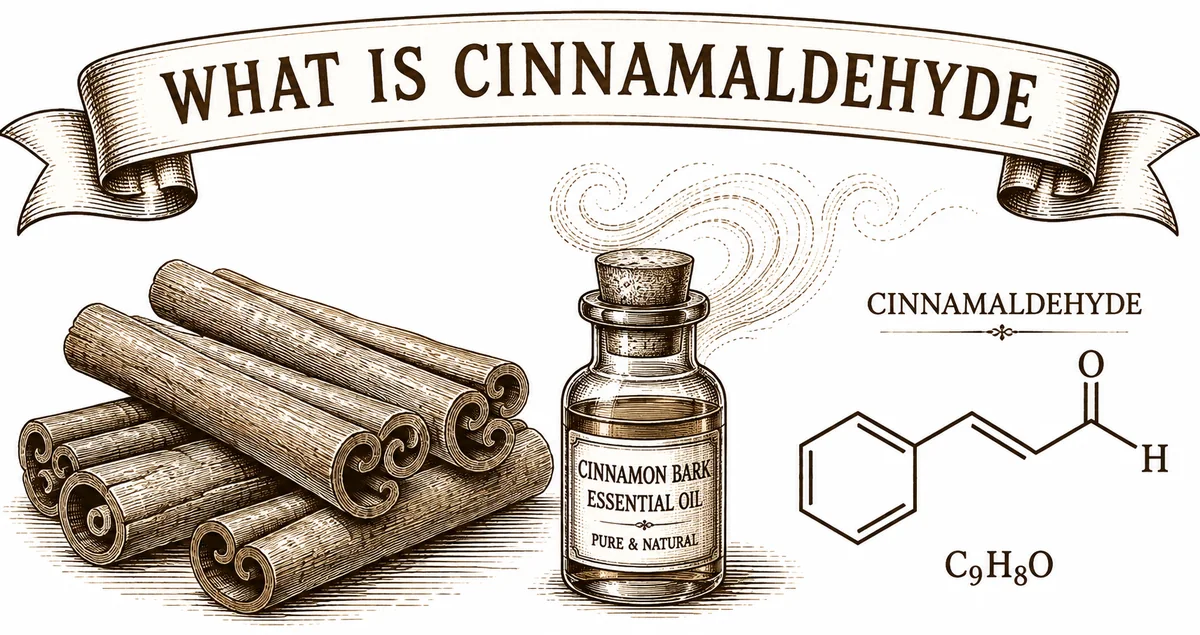
    Cinnamaldehyde is the naturally occurring organic compound that gives cinnamon its characteristic warm, sweet, spicy aroma and flavour, it is the main component of the essential oil in cinnamon bark. When you smell or taste cinnamon, cinnamaldehyde is the molecule most responsible for that unmistakable scent, and true Ceylon cinnamon (Cinnamomum verum) owes much of its fragrance to it.

    This guide gives a clear, non-technical explanation of what cinnamaldehyde is, where it comes from in the plant, why it matters for aroma and flavour, and how it relates to other compounds found in cinnamon. It is an educational look at the chemistry of a spice, not health advice. For the bigger picture of the spice itself, see our pillar guide on what is true Ceylon cinnamon.

    What is cinnamaldehyde, simply put?

    Cinnamaldehyde is an aromatic organic compound (an aldehyde) that occurs naturally in cinnamon and is the principal substance responsible for cinnamon’s smell and taste. In plain terms, it is the “cinnamon molecule”, the ingredient in the plant’s own chemistry that our noses and tongues register as cinnamon. It is found mainly in the bark, concentrated in the essential oil, and it is what makes cinnamon instantly recognisable among spices.

    Where does cinnamaldehyde come from in the plant?

    Cinnamaldehyde is produced by the cinnamon tree itself and is concentrated in the bark, which is the part harvested to make the spice.

    In the bark oil

    The inner bark of Cinnamomum verum contains a fragrant essential oil, and cinnamaldehyde is typically the largest single component of that oil. This is why the bark, once peeled, rolled and dried into quills, carries such a strong, sweet aroma, the process is described in our guide to how Ceylon cinnamon is made.

    Bark versus leaf

    Different parts of the plant have different chemistry. The bark oil is rich in cinnamaldehyde, which gives the familiar sweet cinnamon scent, whereas the leaf oil contains more of a different compound called eugenol, giving it a more clove-like character. This is why cinnamon bark and cinnamon leaf products can smell noticeably different.

    Why cinnamaldehyde matters for aroma and flavour

    The reason cinnamaldehyde is so important is simple: it is the main driver of cinnamon’s sensory identity. Its presence and concentration shape how sweet, warm and intense a cinnamon smells and tastes. A cinnamon rich in well-preserved aromatic oils will smell vivid and sweet, while one whose oils have faded will smell flat. This is why aroma is such a good test of freshness and quality, a theme in our guide to identifying authentic Ceylon cinnamon, and why storing cinnamon well to protect those volatile oils makes such a difference to cooking.

    Cinnamaldehyde in cooking

    Because cinnamaldehyde is a volatile aromatic compound, it behaves in characteristic ways in the kitchen. It is released as fragrance when cinnamon is warmed, which is why simmering a quill in milk or syrup, or baking with cinnamon, fills a room with scent. Gentle heat helps carry the aroma, while very prolonged high heat can drive off some of the delicate top notes. Understanding that cinnamon’s flavour lives largely in these aromatic oils helps explain why fresh, well-stored cinnamon performs so much better in recipes, as covered in our guide to the culinary uses of Ceylon cinnamon.

    Cinnamaldehyde and other cinnamon compounds

    Cinnamon is not a single chemical but a natural mixture, and cinnamaldehyde sits alongside other naturally occurring compounds.

    Some naturally occurring compounds associated with cinnamon and what they contribute.
    CompoundMainly found inSensory role
    CinnamaldehydeBark oilThe characteristic sweet, warm cinnamon aroma
    EugenolLeaf oilA clove-like, spicy note
    CoumarinCassia more than CeylonA compound found in much smaller amounts in Ceylon cinnamon

    The balance of these compounds differs between true Ceylon cinnamon and cassia. One well-known difference is coumarin, which is present in much lower amounts in Ceylon cinnamon than in cassia, a distinction discussed in our guide to Ceylon cinnamon vs cassia. Cinnamaldehyde, by contrast, is central to the aroma of both, though the overall flavour profiles still differ.

    Is cinnamaldehyde natural or artificial?

    Cinnamaldehyde is a naturally occurring compound made by the cinnamon plant, and it is the substance responsible for cinnamon’s natural scent. It can also be produced synthetically for use as a flavouring and fragrance ingredient in the wider food and cosmetics industries, but in true Ceylon cinnamon the cinnamaldehyde you encounter is the plant’s own. When you use genuine cinnamon bark or freshly ground cinnamon, its aroma comes from this naturally present compound rather than any additive.

    What researchers study about cinnamaldehyde

    As the defining compound of a globally important spice, cinnamaldehyde is of interest to scientists who study flavour, fragrance and plant chemistry. Researchers analyse its concentration to characterise different cinnamon types and grades, to understand aroma, and to assess quality in the spice trade. In this educational context, cinnamaldehyde is simply the best-known molecule in cinnamon’s natural make-up. This article does not make any health claims about cinnamaldehyde or cinnamon; it describes the compound’s role in aroma, flavour and plant chemistry only.

    Summary

    Cinnamaldehyde is the naturally occurring aromatic compound that gives cinnamon its signature warm, sweet, spicy character. Produced by the cinnamon tree and concentrated in the bark’s essential oil, it is the largest single component of that oil and the molecule most responsible for how cinnamon smells and tastes. Bark oil is rich in cinnamaldehyde, while leaf oil leans more towards eugenol, and the balance of these and other compounds, including the coumarin that is much lower in Ceylon cinnamon than in cassia, helps define each cinnamon’s flavour. Because cinnamaldehyde is volatile, protecting cinnamon’s oils through good storage keeps its aroma vivid. In short, cinnamaldehyde is the heart of cinnamon’s fragrance, and understanding it explains much about why fresh, genuine Ceylon cinnamon smells and tastes so good.

    Frequently asked questions

    What is cinnamaldehyde?

    Cinnamaldehyde is the naturally occurring organic compound that gives cinnamon its characteristic warm, sweet aroma and flavour. It is the main component of the essential oil found in cinnamon bark.

    Where is cinnamaldehyde found in cinnamon?

    It is concentrated in the bark, within the essential oil, and is typically the largest single component of that oil. Cinnamon leaf oil, by contrast, contains more eugenol and less cinnamaldehyde.

    Is cinnamaldehyde natural?

    Yes. In true Ceylon cinnamon, cinnamaldehyde is produced naturally by the plant and is responsible for its scent. A synthetic version also exists for industrial flavour and fragrance use, but genuine cinnamon’s aroma comes from the natural compound.

    Does cinnamaldehyde affect cinnamon’s flavour?

    Very much so. As the main aromatic compound, cinnamaldehyde largely determines how sweet, warm and intense a cinnamon smells and tastes, which is why fresh, well-stored cinnamon with well-preserved oils performs best in cooking.

    This website provides educational information about Ceylon Cinnamon as a spice and food ingredient. It is not intended to provide medical advice or make health claims.