Tag: Cinnamon recipes

  • How to Use Cinnamon Sticks in Cooking

    How to Use Cinnamon Sticks in Cooking

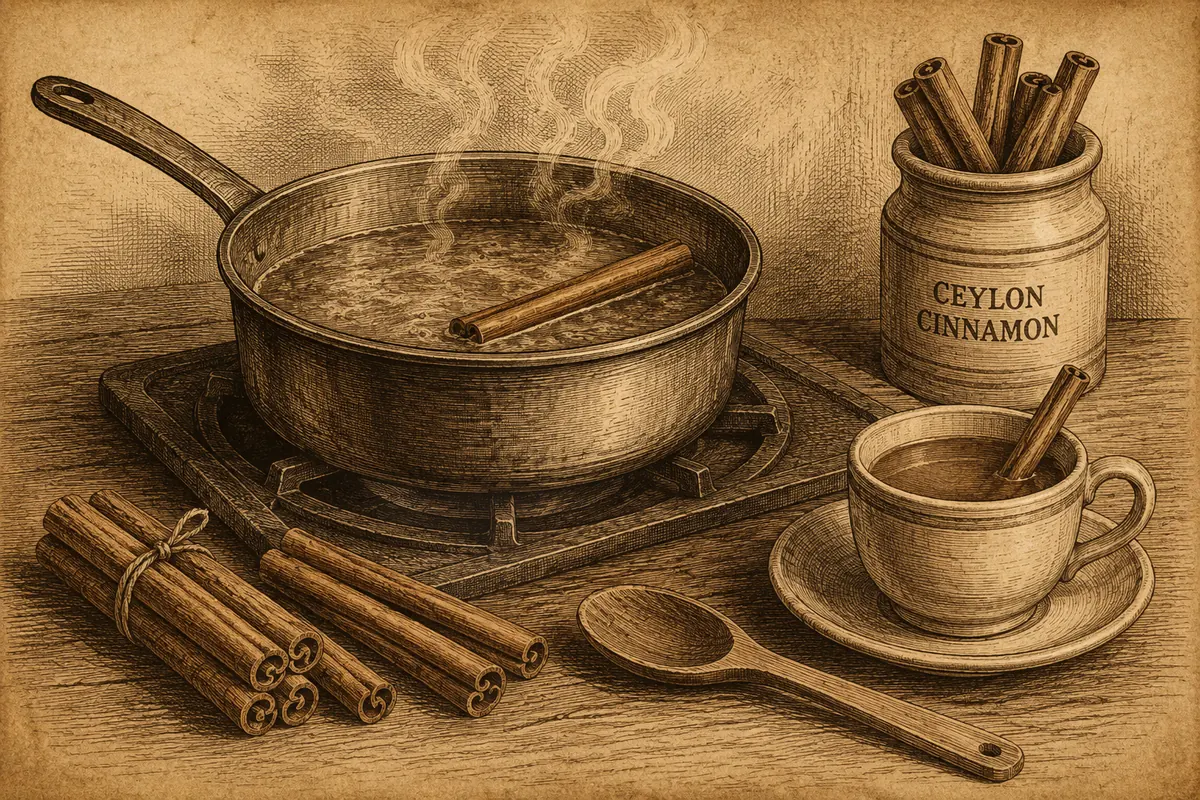
    Cinnamon sticks, also called quills, are whole rolls of dried Ceylon cinnamon bark that release a gentle, sweet warmth slowly as they cook. To use them, drop a stick straight into simmering curries, rice, stews, syrups, mulled drinks or poaching liquid, let it infuse, then lift it out before serving. Unlike ground cinnamon, a whole stick flavours a dish without adding texture or clouding it, which makes it a favourite for slow-cooked and liquid dishes.

    This guide covers how to get the most from Ceylon cinnamon sticks in everyday cooking: which dishes suit them, how many to use, how long to infuse, and how to store and reuse them. It pairs with our pillar guide on the culinary uses of Ceylon cinnamon.

    What is a cinnamon stick?

    A cinnamon stick is a quill of dried inner bark rolled into a tube. True Ceylon cinnamon sticks are pale, thin and made of many soft layers rolled together, so they crumble easily and have a delicate, sweet flavour. They are used whole to flavour a dish from the inside out, then removed. To learn more about the sticks themselves, see our full guide to cinnamon sticks.

    Why cook with whole sticks instead of powder?

    Whole cinnamon sticks give a cleaner, gentler flavour and leave no gritty texture, while releasing their aroma slowly over a long cook. Ground cinnamon is quicker and stronger but can turn a sauce cloudy and settle at the bottom. Sticks are ideal when you want a smooth liquid, a slow infusion, or a subtle background warmth. Powder is better when you want an instant, even hit of flavour, as in baking. Many kitchens keep both, choosing by the dish.

    How to use cinnamon sticks in cooking

    In curries and savoury dishes

    Add a whole stick to the pan early, when you fry the onions and spices, so its flavour has time to spread through the dish. It works beautifully in slow-cooked curries, tagines, biryanis and braises, giving a soft, sweet warmth that balances chilli and salt. Fish it out before serving, or simply push it to the side of the plate.

    In rice and grains

    Drop a stick into the pot when cooking rice, pilau or pilaf. As the rice absorbs the water, it takes on a light, fragrant warmth. This is a classic use in Sri Lankan and South Asian cooking, where a piece of cinnamon quill sits alongside cardamom and cloves in the pot.

    In drinks

    Cinnamon sticks are made for warm drinks. Simmer one in tea, mulled wine, hot cider, spiced coffee or warm milk, and it releases a sweet, comforting aroma. A single stick can flavour a whole pot, and it can often be reused once or twice. Stir a drink with a stick to add a light hint of cinnamon at the table.

    In syrups and poaching liquid

    To make a cinnamon syrup, simmer a stick with sugar and water, then lift it out. Use the syrup in drinks, over pancakes or in desserts. A stick added to the liquid for poaching pears, apples or other fruit infuses the fruit with a gentle spice as it cooks.

    In desserts and baked goods

    For custards, rice pudding, compotes and stewed fruit, a whole stick infused into the warm liquid gives a clean cinnamon flavour without specks. For baking such as cakes and cookies, ground cinnamon is usually easier, since a stick cannot be mixed evenly into a batter. Our guide on Ceylon cinnamon in baking covers those uses in detail.

    How many cinnamon sticks should you use?

    As a rough guide, one stick of about 7 to 8 centimetres flavours a dish for four to six people or a pot of drink. Because Ceylon cinnamon is delicate, you can add a little more without it turning harsh, but it is easy to start with one stick, taste, and add another if you want a stronger flavour. For a long, slow cook, one stick is often plenty, as the flavour builds over time.

    Whole sticks vs ground cinnamon at a glance

    When to reach for a cinnamon stick and when to use ground cinnamon.
    UseCinnamon stickGround cinnamon
    Curries and stewsBest, infuses slowlyWorks, can cloud sauce
    Rice and grainsBest, clean flavourLess common
    Warm drinksBest, reusableCan leave sediment
    Syrups and poachingBest, easy to removeHarder to strain
    Cakes and cookiesNot suitableBest, mixes evenly
    SpeedSlow infusionInstant flavour

    How long to infuse a cinnamon stick

    The longer a stick sits in hot liquid, the more flavour it gives. In a quick drink, ten to fifteen minutes of gentle simmering draws out a good amount of aroma. In a slow-cooked curry or stew, the stick can stay in for the whole cook, an hour or more, building a deeper warmth. Taste as you go, and remove the stick once the flavour is where you want it, since leaving it in indefinitely will not harm the dish but adds little after a point.

    Can you reuse cinnamon sticks?

    Yes. A cinnamon stick still holds flavour after one use, especially if it was only simmered in a drink. Rinse it, let it dry fully, and store it in an airtight jar. It will be milder the second time, so it suits another pot of tea or a gentle infusion rather than a dish that needs a strong cinnamon note. Once a stick has lost its smell, it is spent.

    How to store cinnamon sticks

    Keep cinnamon sticks whole in an airtight container, away from heat, light and moisture. Stored this way they hold their aroma far longer than ground cinnamon, often for a couple of years. Grinding or breaking them only when needed keeps the flavour fresh. For the full method, see our guide on how to store Ceylon cinnamon properly.

    A simple way to start

    If you are new to cooking with whole sticks, begin with a pot of spiced tea: simmer one Ceylon cinnamon stick in water or milk for ten minutes, add tea and a little sweetness, and taste the difference from powder. From there, try a stick in your next rice pot or curry. The clean, sweet warmth of true Ceylon cinnamon is easy to fall for. To understand why Ceylon is prized for this gentle flavour, see our guide to what true Ceylon cinnamon is.

    Removing and serving

    Because a cinnamon stick stays firm and woody even after a long cook, it is always taken out rather than eaten. In a pot dish, simply lift it out with a spoon before serving, or leave it in and warn diners to set it aside on the plate. In a drink, the stick can stay in the cup or jug as an attractive garnish, and it doubles as a stirrer that adds a little more flavour with each swirl. Whole sticks are easy to spot and remove, which is one of their advantages over powder in a smooth sauce or clear broth.

    Getting whole spices to bloom

    A useful trick is to warm the stick briefly in a little oil or dry in the pan before adding liquid. This gentle heat helps release the aromatic oils in the bark, so the cinnamon flavour spreads more fully through the dish. Take care not to scorch it, as burnt spice turns bitter. A few seconds of warmth alongside your other whole spices, such as cardamom pods and cloves, is enough to wake up the aroma before the rest of the cooking begins.

    Frequently asked questions

    Do you leave the cinnamon stick in while cooking?

    Yes. Add the whole stick at the start so it infuses the dish as it cooks, then lift it out before serving. It is not eaten whole; it is used only to flavour the food and liquid around it.

    Can you eat a whole cinnamon stick?

    Cinnamon sticks are not meant to be eaten whole, as they stay woody and firm even after cooking. They are used to flavour a dish and then removed. If you want the cinnamon in the food itself, use ground cinnamon instead.

    How many times can you reuse a cinnamon stick?

    Usually once or twice, mainly for drinks or gentle infusions. Rinse and dry the stick between uses. Each time it gives a little less flavour, and once it no longer smells of cinnamon it should be replaced.

    Are Ceylon cinnamon sticks better for cooking than cassia sticks?

    Ceylon cinnamon sticks have a milder, sweeter, more delicate flavour and thin, soft, layered bark that is easy to break. Cassia sticks are harder and stronger. For subtle dishes and drinks, many cooks prefer the gentler taste of Ceylon.

    Summary

    Cinnamon sticks are whole quills of dried bark that you add to a dish to infuse a gentle, sweet warmth, then remove before serving. They shine in curries, rice, stews, warm drinks, syrups and poached fruit, where their clean flavour and lack of grit beat ground cinnamon. One stick usually flavours a dish for four to six people, and it can often be rinsed, dried and reused once or twice. Stored whole in an airtight jar, Ceylon cinnamon sticks keep their aroma for a long time, making them a simple and rewarding way to cook with true cinnamon.

    This website provides educational information about Ceylon Cinnamon as a spice and food ingredient. It is not intended to provide medical advice or make health claims.

  • How to Use Ceylon Cinnamon in Baking

    How to Use Ceylon Cinnamon in Baking

    Ceylon cinnamon is prized in baking for its delicate, sweet, mildly citrusy flavour, which blends smoothly into cakes, breads, pastries and biscuits without the harsh bite of cassia. Because true Ceylon cinnamon (Cinnamomum verum) is finer and less overpowering, you can often use it a little more generously, letting its warm aroma lift a bake rather than dominate it.

    This guide walks through how to get the best from Ceylon cinnamon in the kitchen: when to use powder versus quills, how to add it at the right moment, which classic bakes it suits, and simple habits that keep its flavour fresh. For the wider view of cooking with this spice, see our pillar guide on the culinary uses of Ceylon cinnamon.

    Why use Ceylon cinnamon in baking?

    Ceylon cinnamon suits baking because its flavour is gentle, sweet and complex rather than sharp and hot. Cassia, the cinnamon most people know from supermarket shelves, is stronger and more pungent, which can overwhelm subtle bakes. Ceylon cinnamon’s softer profile lets it sit in harmony with butter, vanilla, fruit and sugar, adding warmth and fragrance without taking over. This is one reason many bakers who try true Ceylon cinnamon find their cakes and pastries taste rounder and more refined. The differences between the two are explained in our guide to Ceylon cinnamon vs cassia.

    Powder or quills: which to use in baking?

    Both forms have a place in the baker’s kitchen, and choosing well makes a real difference.

    Ground cinnamon for even flavour

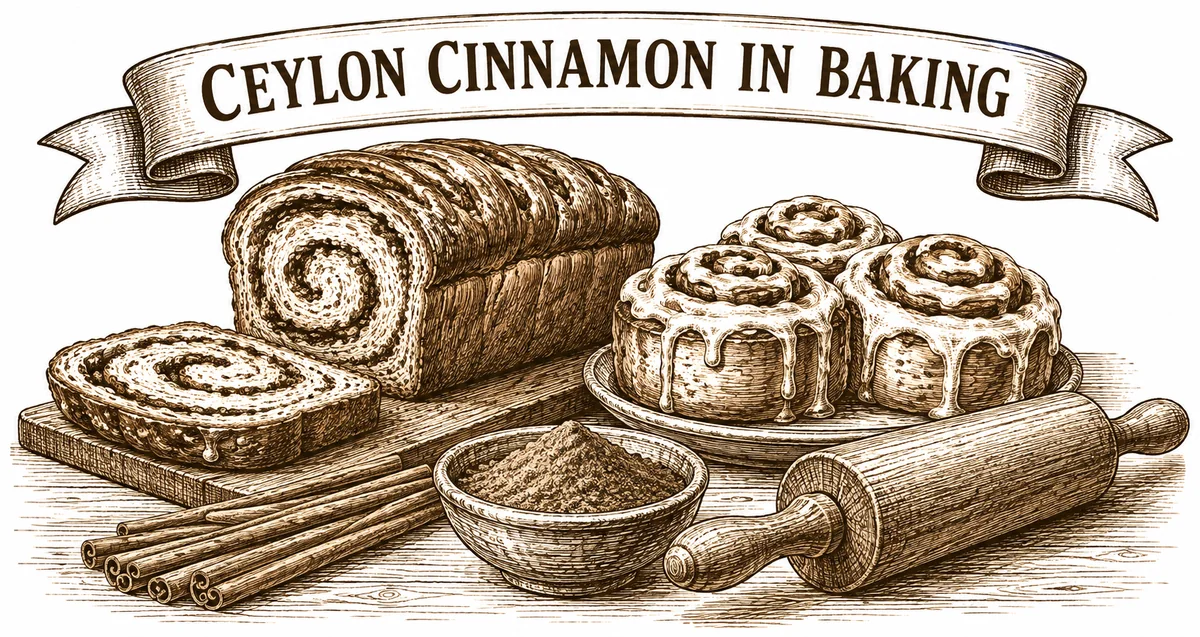
    For most baking, ground Ceylon cinnamon is the natural choice. It disperses evenly through batters, doughs and fillings, so every bite carries the same gentle warmth. Powder is ideal for cakes, cookies, muffins, cinnamon rolls and spiced breads, where you want the flavour woven throughout.

    Whole quills for infusing

    Whole quills shine when you want to infuse a liquid rather than season a batter. Simmering a quill in milk, cream, syrup or a fruit compote draws out the aroma slowly and cleanly, which you can then use as the base of a custard, rice pudding, poached fruit or a soaking syrup. Grinding your own powder from fresh quills also gives a brighter flavour than pre-ground cinnamon that has sat for months. The distinctions between forms and grades are covered in our complete guide to Ceylon cinnamon grades.

    When to add cinnamon in a recipe

    Timing affects how the flavour comes through in the finished bake.

    Mixed into dry ingredients

    For cakes, biscuits and breads, the simplest approach is to whisk ground cinnamon into the flour and other dry ingredients before combining with the wet. This ensures it is evenly distributed and avoids clumping.

    Blended into fillings and swirls

    For cinnamon rolls, swirl breads and pastries, cinnamon is usually mixed with sugar and sometimes butter to form a filling or paste that is spread and rolled through the dough. Here a slightly more generous hand works well, because the cinnamon is concentrated in ribbons rather than spread through the whole crumb.

    Infused into liquids first

    For custards, syrups and puddings, add a quill to the warming liquid and let it steep, then remove it before finishing the recipe. This gives a smooth, even cinnamon note without any powdery texture.

    How much Ceylon cinnamon to use

    Because Ceylon cinnamon is milder than cassia, you can generally be a little more generous, though taste always guides the amount. A rough starting point for a standard cake or batch of cookies is around one to two teaspoons of ground Ceylon cinnamon, adjusted up or down to preference. It is easy to add more next time, so when trying a new recipe it is sensible to start moderate, taste the batter where safe to do so, and build up. The gentle flavour means Ceylon cinnamon rewards experimentation without the risk of a single spoonful overpowering the whole bake.

    Classic bakes that suit Ceylon cinnamon

    Ceylon cinnamon flatters a wide range of baked goods.

    Popular bakes and how Ceylon cinnamon is typically used in each.
    BakeHow cinnamon is used
    Cinnamon rollsMixed with sugar and butter as a swirl filling
    Spiced cakes and loavesWhisked into the dry ingredients
    Cookies and biscuitsBlended into the dough; dusted on top
    Fruit pies and crumblesTossed with the fruit and sugar
    Custards and rice puddingsInfused as a whole quill in the milk

    Cinnamon also pairs beautifully with common baking partners such as vanilla, nutmeg, cardamom, apple, pear, chocolate and citrus, so it slots naturally into festive and everyday recipes alike.

    Cinnamon and sugar: a baking staple

    One of the simplest and most useful preparations is cinnamon sugar: ground Ceylon cinnamon stirred into caster or granulated sugar. It can be sprinkled over buns, toast, doughnuts, pastries and cookies before or after baking, or folded into swirl fillings. Because Ceylon cinnamon is so fragrant, a homemade cinnamon sugar using fresh, good-quality cinnamon tastes noticeably livelier than a jar that has been open for a long time. Making a small batch as you need it keeps the aroma at its best.

    Getting the freshest flavour

    The flavour of any cinnamon fades over time as its aromatic oils gradually escape. To keep bakes tasting their best, store Ceylon cinnamon in an airtight container away from heat, light and moisture, and buy in amounts you will use within a reasonable period. Whole quills keep their flavour longer than powder, so grinding small quantities as needed is a good habit for keen bakers. If a jar of ground cinnamon has lost its punch, you may simply need to use a little more, or replace it. Good storage is part of buying well, a theme covered in our Ceylon cinnamon buying guide.

    A few simple tips for better results

    Small adjustments can noticeably improve how cinnamon comes through in your baking. Whisking the powder thoroughly into dry ingredients prevents streaks and clumps. Toasting whole quills briefly before grinding can deepen their aroma. Tasting fillings and batters where it is safe to do so lets you fine-tune the amount to your liking. And choosing genuine Ceylon cinnamon in the first place sets the ceiling on flavour, which is why it helps to know how to identify authentic Ceylon cinnamon before you bake.

    Summary

    Ceylon cinnamon is a baker’s friend because its sweet, delicate, complex flavour improves cakes, cookies, breads, pastries and puddings without overpowering them. Use ground cinnamon for even flavour through batters and doughs, and whole quills for infusing milk, syrups and custards. Whisk powder into dry ingredients, build cinnamon-sugar fillings for swirls, and infuse quills into warming liquids for smooth results. Because it is milder than cassia, you can often be a little more generous, adjusting to taste. Keep it fresh with airtight storage, grind small amounts from quills when you can, and start with authentic Ceylon cinnamon to give every bake the finest possible warmth and aroma.

    Frequently asked questions

    Is Ceylon cinnamon good for baking?

    Yes. Its delicate, sweet and complex flavour blends smoothly into cakes, breads, cookies and pastries without the harsh, hot bite of cassia, making it especially suited to subtle bakes.

    How much Ceylon cinnamon should I use in a cake?

    A common starting point is around one to two teaspoons of ground Ceylon cinnamon for a standard cake, adjusted to taste. Because it is milder than cassia, you can often use a little more without it becoming overpowering.

    Should I use cinnamon powder or sticks for baking?

    Use ground cinnamon for even flavour through batters, doughs and fillings, and whole quills for infusing liquids such as milk, cream or syrup. Grinding your own powder from fresh quills gives a brighter taste.

    When should I add cinnamon in a baking recipe?

    Whisk ground cinnamon into the dry ingredients for even distribution, blend it with sugar and butter for swirl fillings, or infuse a whole quill into warming liquids for custards and puddings, removing it before finishing.

    This website provides educational information about Ceylon Cinnamon as a spice and food ingredient. It is not intended to provide medical advice or make health claims.

  • Culinary Uses of Ceylon Cinnamon

    Culinary Uses of Ceylon Cinnamon

    Ceylon cinnamon is used in sweet and savoury cooking alike, in baking, hot and cold drinks, curries, rice dishes, desserts and spice blends. Its delicate, sweet flavour makes it especially good where a subtle warmth is wanted rather than a fiery punch. Use whole quills to infuse liquids and freshly ground powder to flavour bakes, and pair it with spices like cardamom, clove and vanilla.

    Because true cinnamon is milder and more fragrant than cassia, it behaves a little differently in the kitchen, it flatters delicate dishes instead of overpowering them. This guide covers the best ways to use it, from everyday ideas to world cuisines. For the flavour background, see what is true Ceylon cinnamon.

    Whole quills vs ground cinnamon

    Choosing the right form makes a real difference:

    • Whole quills release flavour slowly, making them perfect for infusing liquids, simmered into curries, rice, mulled drinks, syrups, poaching liquids and stocks, then removed before serving.
    • Ground cinnamon disperses quickly and evenly, which suits baking and dusting over foods. For the best aroma, grind quills fresh; Ceylon’s brittle bark grinds easily. Grade tips are in our grades guide.

    Ceylon cinnamon in baking

    Baking is where many people first fall for cinnamon. Ceylon’s gentle sweetness shines in cinnamon rolls, buns, banana and apple breads, cakes, cookies, biscuits, crumbles and pastries. Because it is milder than cassia, you can often use a little more to get a rounded cinnamon flavour without harshness. Combine it with sugar for a classic cinnamon-sugar topping, or fold it into fruit fillings for pies and baked apples.

    Beverages: tea, coffee and more

    A single Ceylon quill transforms a drink. Try it:

    • Simmered in tea or steeped in a pot for a fragrant spiced brew.
    • As a stirrer or ground pinch in coffee, lattes and hot chocolate.
    • In mulled wine and cider, where it infuses warmth without bitterness.
    • In chai and spiced milk, alongside cardamom, ginger and clove.
    • Infused into cinnamon water or cold brews for a subtle aromatic drink.

    Savoury cooking and curries

    In Sri Lankan and South Indian kitchens, cinnamon is as much a savoury spice as a sweet one. A short length of quill is added whole to curries, rice dishes and pilaus, where it perfumes the dish as it cooks. It works beautifully in slow-cooked stews and braises, meat marinades and rubs, and in spice blends such as garam masala and Sri Lankan curry powder. Its subtlety means it supports the other spices rather than shouting over them.

    Desserts and sweets

    Ceylon cinnamon is ideal for delicate desserts where cassia would be too harsh: rice pudding, custards, poached pears, baked apples, ice cream, milk puddings and traditional Sri Lankan sweets. It has a natural affinity with dairy and with soft fruits, adding warmth and depth to creamy, gentle dishes.

    Best flavour pairings

    Cinnamon rarely works alone. It pairs especially well with:

    • Cardamom, clove and nutmeg, the classic warm-spice family.
    • Vanilla and honey, for rounded sweetness.
    • Ginger and star anise, for chai and mulled drinks.
    • Apple, pear, banana and citrus, natural fruit partners.
    • Chocolate and coffee, for depth in desserts and drinks.

    Around the world

    Cinnamon appears across global cuisines: in Middle Eastern rice and meat dishes, Moroccan tagines, Indian and Sri Lankan curries and chai, Mexican drinks and baking, and European festive baking and mulled drinks. Reaching for delicate Ceylon cinnamon in these dishes gives an authentic, refined warmth, particularly in cuisines that use cinnamon in savoury contexts, where its subtlety is an advantage.

    Simple everyday ideas

    • Stir a pinch into porridge, oatmeal, yoghurt or granola.
    • Dust over buttered toast, pancakes or French toast.
    • Blend into smoothies with banana and milk.
    • Add a quill to the pot when cooking rice.
    • Make a quick cinnamon syrup for drinks and desserts.

    A note on storage

    To keep its aroma, store cinnamon in an airtight container away from heat, light and moisture. Whole quills last considerably longer than powder, so grind small amounts as you need them. Good storage means every dish gets the full fragrance, the same freshness principles covered in our buying guide.

    How to infuse with whole quills

    Infusing is the simplest way to use Ceylon cinnamon and shows off its subtlety. Drop a short length of quill into the liquid at the start of cooking, a curry, a pot of rice, a syrup, a pan of mulled wine or a poaching liquid for fruit, and let it release its aroma gently as the dish simmers. Remove the quill before serving. Because true cinnamon is mild, it infuses cleanly without the harshness cassia can lend to long-cooked dishes. A single quill can often be rinsed, dried and reused once or twice while it still holds fragrance.

    Substitution and quantities

    As a rough guide, one 7, 8 cm Ceylon quill yields close to a teaspoon of ground cinnamon. When a recipe was written with cassia in mind, remember that Ceylon is milder: you can comfortably use a little more to reach a full cinnamon flavour. Conversely, if substituting cassia where Ceylon is specified, start with less and taste, since cassia is considerably stronger. Add ground cinnamon toward the end of cooking or in the mix for baking, as prolonged high heat can dull its aroma.

    Common mistakes to avoid

    • Using stale powder, ground cinnamon fades fast; grind quills fresh for the best results.
    • Expecting a cassia “punch”, Ceylon is meant to be subtle; season to taste rather than by habit.
    • Boiling powder for too long, add it later to preserve fragrance.
    • Storing near heat or light, this shortens its useful life; keep it airtight and cool.

    Building cinnamon into your routine

    The easiest way to enjoy true cinnamon is to make it a small daily habit: a quill in the rice pot, a pinch in your coffee or porridge, a dusting over fruit. Because it is gentle, it rewards frequent, everyday use rather than occasional heavy-handed additions. Pair it thoughtfully with the spices and ingredients above, and it will quietly improve a huge range of dishes.

    Cinnamon in world cuisines, in brief

    Part of what makes cinnamon so rewarding is how differently cultures use it. In Sri Lankan and South Indian cooking it seasons savoury curries and rice; in the Middle East it flavours meat, rice and pastries; in Morocco it perfumes tagines and couscous; in Mexico it appears in drinks, moles and sweet breads; and across Europe and North America it defines festive baking and mulled drinks. Reaching for delicate Ceylon cinnamon in these dishes gives an authentic, refined warmth, especially in the many savoury traditions where its subtlety keeps it from overwhelming the other ingredients.

    Simple things to make this week

    If you are not sure where to start, a few easy preparations show off Ceylon cinnamon beautifully. Make a quick cinnamon syrup by simmering a quill with equal parts sugar and water, then use it in coffee, over pancakes or in cocktails. Brew a pot of spiced tea by steeping a quill with black tea and a little ginger. Warm milk with a quill and a touch of honey for a comforting cinnamon-infused milk. Or bake cinnamon-sugar straws from spare pastry. Each takes minutes and highlights the spice’s gentle, fragrant warmth.

    Cooking tips for the best flavour

    A few habits get the most from true cinnamon. Add whole quills early so they have time to infuse, but stir ground cinnamon in later, since long high heat can flatten its aroma. Toast a quill briefly in a dry pan before using it in savoury dishes to deepen its fragrance. Grind only what you need, keeping the rest as whole quills for freshness. And taste as you go: because Ceylon is milder than cassia, the right amount is often a little more than a cassia-based recipe suggests. These small adjustments, combined with good storage, keep every dish fragrant and balanced.

    Summary

    Ceylon cinnamon is a wonderfully versatile spice for both sweet and savoury cooking. Use whole quills to infuse drinks, curries, rice and syrups, and freshly ground powder for baking and dusting. Its delicate sweetness suits everything from cinnamon rolls and rice pudding to fragrant curries and mulled wine, and it pairs naturally with cardamom, clove, vanilla and fruit. Milder than cassia, it improves a dish without dominating it, which is exactly why cooks who value finesse keep true cinnamon in the kitchen.

    Frequently asked questions

    Can I use Ceylon cinnamon in both sweet and savoury dishes?

    Yes. It is excellent in baking and desserts and equally at home in curries, rice, stews and spice blends, where its subtle warmth supports other flavours.

    Should I use cinnamon sticks or powder for cooking?

    Use whole quills to infuse liquids like curries, drinks and syrups, and ground cinnamon for baking and dusting. Grinding quills fresh gives the best aroma.

    How much Ceylon cinnamon should I use?

    Because it is milder than cassia, you can often use a little more to achieve a full flavour. Start modestly and adjust to taste.

    What spices pair well with Ceylon cinnamon?

    Cardamom, clove, nutmeg, ginger, star anise, vanilla and honey, plus fruits like apple and pear and flavours like chocolate and coffee.

    This website provides educational information about Ceylon Cinnamon as a spice and food ingredient. It is not intended to provide medical advice or make health claims.