Tag: Real cinnamon

  • Ceylon Cinnamon vs Chinese Cinnamon

    Ceylon Cinnamon vs Chinese Cinnamon

    Ceylon cinnamon and Chinese cinnamon are two different spices. Ceylon cinnamon is the dried inner bark of Cinnamomum verum, native to Sri Lanka, prized for its soft, sweet, delicate flavour and thin, layered quills. Chinese cinnamon, also called Chinese cassia, comes from Cinnamomum cassia, a related tree grown mainly in China and South-East Asia. It is a thicker, harder, single-layer bark with a stronger, sharper, more pungent flavour, and it is the most common cassia sold simply as “cinnamon” around the world.

    Chinese cinnamon is one of the main types of cassia that people confuse with true cinnamon. This guide compares the two so you can tell them apart. It builds on our pillar guide to Ceylon cinnamon versus cassia.

    The short answer

    Ceylon cinnamon (Cinnamomum verum) is the true cinnamon of Sri Lanka, mild and sweet with thin layered quills, while Chinese cinnamon (Cinnamomum cassia) is a type of cassia from China with a thick single-layer bark and a stronger, sharper taste. They are different species from the same broad family, and Chinese cassia is the bolder, cheaper, more widely sold of the two.

    What is Chinese cinnamon?

    Chinese cinnamon is the common name for Cinnamomum cassia, also known as Chinese cassia or simply cassia. It is one of the main cassia species, alongside others such as Indonesian and Saigon (Vietnamese) cinnamon. Grown chiefly in southern China and neighbouring regions, it has been used for a very long time in Chinese cooking and trade. Because it is cheaper to produce than true cinnamon and has a strong, familiar flavour, Chinese cassia is what many shoppers around the world are actually buying when a product is labelled just “cinnamon”.

    What is Ceylon cinnamon?

    Ceylon cinnamon is true cinnamon, Cinnamomum verum, native to Sri Lanka (once called Ceylon). It is made from the thin, papery inner bark of the tree, which is peeled and rolled into delicate, multi-layered quills. Its flavour is soft, sweet and gently spicy, more refined and less sharp than cassia. To understand the true spice more fully, see our guide to what true Ceylon cinnamon is.

    Ceylon vs Chinese cinnamon at a glance

    Comparing Ceylon cinnamon and Chinese cinnamon (cassia).
    FeatureCeylon cinnamonChinese cinnamon (cassia)
    SpeciesCinnamomum verumCinnamomum cassia
    OriginSri LankaChina and nearby regions
    BarkThin, papery, many layersThick, hard, single layer
    Quill shapeScroll of fine layersSingle thick curl
    ColourPale tanDarker reddish brown
    FlavourSoft, sweet, delicateStrong, sharp, pungent
    PriceHigherLower

    Botanical and origin differences

    Although both belong to the Cinnamomum group of trees, Ceylon and Chinese cinnamon are distinct species with different homes. Ceylon cinnamon, Cinnamomum verum, is native to Sri Lanka, which remains the source of the finest true cinnamon. Chinese cinnamon, Cinnamomum cassia, is native to and grown mainly in China and the surrounding region. This difference in species and origin is the root of all the other contrasts between them, from bark structure to flavour.

    Appearance: how to tell them apart

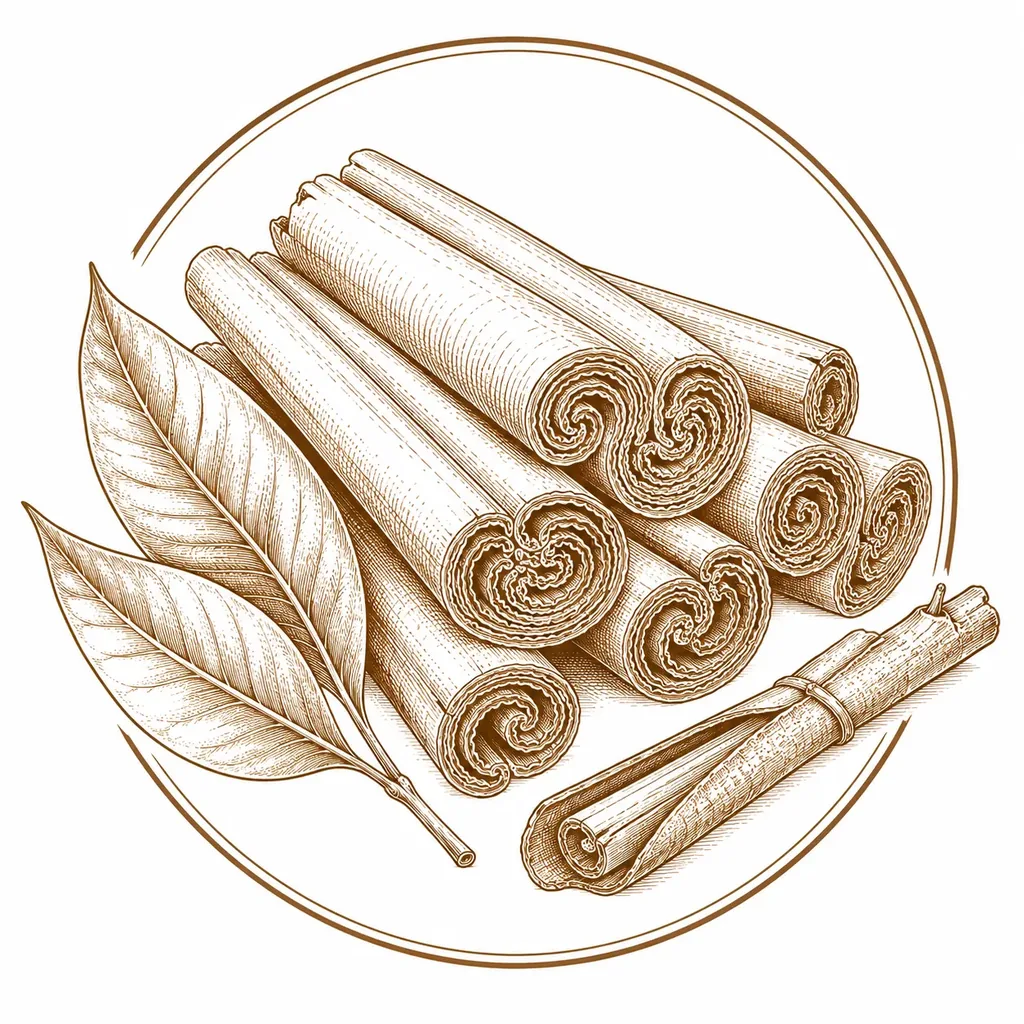
    The clearest way to distinguish the two is by looking at the bark, especially whole sticks. Ceylon cinnamon quills are pale, thin and made of many soft layers rolled together, like a little scroll, and they are brittle enough to snap easily. Chinese cassia sticks are darker, thicker and harder, formed from a single tough layer curled into a hollow tube. Cassia is difficult to break by hand, while Ceylon crumbles readily. This visual test is one of the simplest checks, covered in our guide on how to identify real Ceylon cinnamon.

    Flavour and aroma

    The taste difference is easy to notice once you know it. Ceylon cinnamon is mild, sweet and subtly complex, with gentle floral and citrus notes that make it well suited to delicate dishes and desserts. Chinese cinnamon is much bolder: strong, sharp and intensely spicy, with a pungent warmth that stands up well to robust, savoury cooking. Neither is simply better; they suit different purposes. The difference in strength comes largely from the balance of aromatic compounds in each bark, including cinnamaldehyde, which our guide to cinnamaldehyde explains.

    A note on composition

    One well-known difference between the two is the level of a naturally occurring compound called coumarin. Cassia barks, including Chinese cassia, contain notably higher levels of coumarin than true Ceylon cinnamon, which is very low in it. This is a compositional difference that researchers and food scientists often point to when distinguishing the two spices. Here we note it simply as a factual difference in makeup rather than a health matter; it is one more way in which true Ceylon cinnamon and cassia are genuinely different products.

    Culinary uses

    Both spices are used in cooking, but their strengths differ. Ceylon cinnamon’s gentle sweetness makes it a favourite for baking, desserts, delicate drinks and dishes where a refined cinnamon note is wanted without overwhelming other flavours. Chinese cassia’s bold, punchy character suits hearty savoury dishes, spiced stews, strong mulled drinks and recipes where a powerful cinnamon hit is the aim. Many classic Chinese and other Asian dishes are built around the robust flavour of cassia. Choosing between them is really about matching the spice to the dish.

    Why they are often confused

    The confusion between Ceylon and Chinese cinnamon comes down to labelling. In many countries the word “cinnamon” on its own is most often cassia, frequently Chinese or Indonesian, rather than true Ceylon cinnamon. Since both are warm, brown, sweet-smelling barks from related trees, shoppers rarely realise they are buying a different spice. Only when the label specifically says Ceylon cinnamon or Cinnamomum verum can you be sure of true cinnamon. This same pattern of confusion appears with other cassia types, as our comparison of Ceylon and Saigon cinnamon describes.

    Cost and why cassia dominates shelves

    A big reason Chinese cassia is so common comes down to cost and scale. Cassia trees grow readily and the thick bark is quicker and cheaper to harvest and process than the delicate hand-peeled quills of true cinnamon. That lower cost, combined with a strong flavour that carries well in mass-market products, means cassia fills most supermarket shelves and flavours most inexpensive cinnamon goods. True Ceylon cinnamon, made by skilled hand peeling in Sri Lanka, costs more to produce and so sits at the premium end. When you understand this, the price gap between a cheap jar of “cinnamon” and genuine Ceylon cinnamon makes sense: you are usually comparing mass-produced cassia with a carefully crafted specialty spice.

    Which should you choose?

    The right choice depends on what you want. If you are after the fine, sweet, delicate spice with the greatest reputation for quality, and you value the true cinnamon of Sri Lanka, choose Ceylon cinnamon. If you want a strong, inexpensive, boldly flavoured cinnamon for hearty cooking, Chinese cassia does the job. Many cooks keep true Ceylon cinnamon for baking and refined dishes and reach for cassia when they want a powerful punch. Knowing the difference simply lets you choose on purpose rather than by accident.

    Frequently asked questions

    Is Chinese cinnamon the same as Ceylon cinnamon?

    No. They are different species. Ceylon cinnamon is true cinnamon, Cinnamomum verum, from Sri Lanka, with thin, layered quills and a mild, sweet flavour. Chinese cinnamon is a cassia, Cinnamomum cassia, from China, with a thick, hard bark and a strong, sharp taste.

    Is Chinese cinnamon real cinnamon?

    Chinese cinnamon is a type of cassia, which is a close relative of true cinnamon rather than the same spice. It is very widely sold simply as “cinnamon”, but only Cinnamomum verum, Ceylon cinnamon, is considered true cinnamon.

    How can I tell Ceylon from Chinese cinnamon?

    Look at the sticks. Ceylon cinnamon is pale, thin and made of many soft layers that snap easily, like a scroll. Chinese cassia is darker, thicker and harder, a single curled layer that resists breaking. With powder, rely on the label, checking for Ceylon cinnamon or Cinnamomum verum.

    Which is better, Ceylon or Chinese cinnamon?

    Neither is simply better; they suit different uses. Ceylon cinnamon is milder, sweeter and more refined, ideal for baking and delicate dishes. Chinese cassia is stronger and cheaper, good for bold, hearty cooking. The best choice depends on the flavour and budget you want.

    Summary

    Ceylon cinnamon and Chinese cinnamon are two distinct spices from related trees. Ceylon cinnamon, Cinnamomum verum from Sri Lanka, is the true cinnamon: pale, thin, many-layered and mild, sweet and delicate in flavour. Chinese cinnamon, Cinnamomum cassia from China, is a cassia: a thick, hard, single-layer bark with a strong, sharp, pungent taste, cheaper and more widely sold. They differ in species, origin, appearance, flavour and composition, and they are often confused only because both are sold as “cinnamon”. Knowing the difference lets you choose true Ceylon cinnamon when you want it and use cassia knowingly when a bolder flavour suits.

    This website provides educational information about Ceylon Cinnamon as a spice and food ingredient. It is not intended to provide medical advice or make health claims.

  • What Does ‘Cinnamomum verum’ Actually Mean?

    What Does ‘Cinnamomum verum’ Actually Mean?

    “Cinnamomum verum” is the scientific name of the true cinnamon tree, and it means, quite literally, “true cinnamon”. Cinnamomum is the genus, the group of trees that all cinnamons belong to, and verum is the Latin word for “true” or “genuine”. So when a label says Cinnamomum verum, it is telling you the spice is real Ceylon cinnamon rather than one of the cheaper cassia types.

    The name looks technical, but it carries a simple and useful message for anyone buying cinnamon. This guide explains what each part means, why the tree earned the name “true”, and how it helps you tell real Ceylon cinnamon from the rest. It builds on our pillar guide to what true Ceylon cinnamon is.

    The short answer

    Cinnamomum verum is the botanical name for the true cinnamon tree, native to Sri Lanka, whose bark gives us Ceylon cinnamon. The two-word name follows the standard system scientists use for every plant: the first word is the genus and the second is the species. Here the species word, verum, means “true”, marking this tree out as the original, genuine cinnamon among several look-alikes.

    Breaking down the name

    Cinnamomum: the genus

    Cinnamomum is the genus, a family group of related evergreen trees in the laurel family. Many species sit within it, including both true cinnamon and the various cassias. The word itself comes from old names for the spice that reach back through Greek and earlier languages, a history covered in our glossary of cinnamon terms.

    Verum: the species

    Verum is the species name, and it is Latin for “true” or “genuine”. Naming the tree “true cinnamon” was a deliberate way to separate it from the other Cinnamomum species that are sold as cinnamon but are botanically different. In other words, the name itself makes a claim: this is the real one.

    Why is it called “true” cinnamon?

    The tree is called true cinnamon because it is the original spice that the name “cinnamon” first referred to, long before the cheaper cassia barks became common substitutes. Cassia comes from other Cinnamomum species and is coarser and stronger, but it is often sold simply as “cinnamon”. To distinguish the fine, delicate, original spice from these substitutes, botanists gave it the species name verum, meaning true. Understanding this difference is the heart of our guide on whether Ceylon cinnamon is the real cinnamon.

    Cinnamomum verum and Cinnamomum zeylanicum

    You may also see the same tree called Cinnamomum zeylanicum. This is an older scientific name for exactly the same species, and the two names refer to the identical tree. Zeylanicum means “of Ceylon”, the old name for Sri Lanka, so it points to the tree’s home. Today Cinnamomum verum is the accepted name, but Cinnamomum zeylanicum is still widely used and means the same thing. Either name on a label indicates true Ceylon cinnamon.

    The name compared with cassia species

    True cinnamon and the main cassia species, by scientific name.
    Scientific nameCommon nameType
    Cinnamomum verumCeylon cinnamon, true cinnamonTrue cinnamon
    Cinnamomum cassiaChinese cassiaCassia
    Cinnamomum loureiroiSaigon cinnamonCassia
    Cinnamomum burmanniiKorintje, Indonesian cinnamonCassia

    All four are members of the same Cinnamomum genus, which is why they share the cinnamon name, but only Cinnamomum verum is true cinnamon. The rest are cassias, as our guide to Ceylon cinnamon vs cassia explains in full.

    How botanical names work

    The two-word style of Cinnamomum verum is not unique to cinnamon. Every plant and animal has a scientific name made of two Latin parts, a system introduced in the eighteenth century so that people everywhere could refer to the same living thing without confusion. The first word, always capitalised, is the genus, a broad group of close relatives. The second word, in lower case, is the species, the particular member of that group. Together they pin down one exact plant.

    This matters for cinnamon because common names are slippery. The word “cinnamon” is used loosely for several different barks, and it can mean different things in different shops and countries. A scientific name does not move: Cinnamomum verum means one specific tree, wherever you are and whatever language you speak. That is exactly why it appears on the labels of quality Ceylon cinnamon.

    The history behind the name

    Cinnamon was one of the most sought-after spices of the ancient world, traded across long distances and often shrouded in mystery about where it came from. For much of that history, the fine cinnamon of Sri Lanka and the coarser cassia of other regions were both simply called cinnamon. As botany became a formal science, naming the Sri Lankan tree verum, “true”, was a way of settling which of these was the original spice. The name is therefore a small piece of history in itself, recording the long effort to tell genuine cinnamon from its substitutes.

    Other names you might see

    On packaging and in recipes you may meet several names for the same spice: true cinnamon, real cinnamon, Ceylon cinnamon, Sri Lankan cinnamon, Cinnamomum verum and Cinnamomum zeylanicum. These all point to the one tree. Cassia, by contrast, may appear as Chinese cinnamon, Saigon cinnamon, Korintje or Indonesian cinnamon, and these are different species. Knowing that the many friendly names for true cinnamon sit behind a single scientific name helps cut through the confusion on a busy shelf.

    How to say it

    The name is easier to say than it looks. Cinnamomum is said roughly as “sin-uh-MOH-mum”, and verum as “VAIR-um”. You do not need to use the Latin name in everyday life, but recognising it on a label is genuinely useful, since it is the clearest sign that a product is real Ceylon cinnamon. Saying it aloud once or twice makes it stick, and after that the name jumps out at you whenever you scan a spice jar or an ingredients list.

    Why the name matters when buying

    The main reason to know this name is shopping. Because ordinary cassia is often labelled just “cinnamon”, the surest way to know you are getting the true spice is to look for the words Cinnamomum verum (or Cinnamomum zeylanicum) on the packet, ideally with Sri Lanka named as the origin. A product that only says “cinnamon”, with no species name and no origin, may well be cassia. The scientific name is, in effect, a quality signal printed on the label.

    What the name does not tell you

    The scientific name confirms the species, but it does not tell you everything about quality. Two products can both be genuine Cinnamomum verum and still differ in grade, freshness and care of processing. The name assures you that the tree is true cinnamon, not that a particular jar is the finest grade or the freshest stock. So while Cinnamomum verum on the label is an excellent first check, it works best alongside the other signs of quality: a clear Sri Lankan origin, a pale colour, thin soft bark and a sweet, delicate aroma. Think of the name as the foundation of trust, with grade and freshness built on top of it.

    Frequently asked questions

    What does Cinnamomum verum mean?

    It is the scientific name of the true cinnamon tree. Cinnamomum is the genus of cinnamon trees, and verum is Latin for “true” or “genuine”. Together they mean “true cinnamon”, the real Ceylon cinnamon from Sri Lanka.

    Is Cinnamomum verum the same as Ceylon cinnamon?

    Yes. Cinnamomum verum is the botanical name for the tree whose bark is sold as Ceylon cinnamon, also called true cinnamon. They are the same spice.

    What is the difference between Cinnamomum verum and Cinnamomum zeylanicum?

    There is no difference in the plant. Both names refer to the same true cinnamon tree. Cinnamomum verum is the current accepted name, while Cinnamomum zeylanicum is an older name meaning “cinnamon of Ceylon”. Either indicates true Ceylon cinnamon.

    Why should I look for Cinnamomum verum on a label?

    Because cheaper cassia is often sold simply as “cinnamon”. Seeing Cinnamomum verum or Cinnamomum zeylanicum on the label, with Sri Lanka as the origin, is the clearest confirmation that you are buying genuine Ceylon cinnamon.

    Summary

    Cinnamomum verum is the scientific name of the true cinnamon tree, and it means “true cinnamon”: Cinnamomum is the genus of cinnamon trees, and verum is Latin for “true”. The name marks this Sri Lankan species out from the cassia barks that are often sold as cinnamon. The same tree is also called Cinnamomum zeylanicum, meaning “of Ceylon”. For anyone buying cinnamon, the name is a practical guide: look for Cinnamomum verum on the label, with Sri Lanka as the origin, and you can be confident you have the real, true Ceylon cinnamon.

    This website provides educational information about Ceylon Cinnamon as a spice and food ingredient. It is not intended to provide medical advice or make health claims.

  • Is Ceylon Cinnamon Real Cinnamon?

    Is Ceylon Cinnamon Real Cinnamon?

    Yes, Ceylon cinnamon is real cinnamon. In fact, it is often called “true cinnamon” because it comes from Cinnamomum verum, the species botanists regard as the original, genuine cinnamon. The confusion arises because most of the cinnamon sold worldwide is actually cassia, a related but different group of species. Both are sold under the single word “cinnamon”, yet only Ceylon cinnamon is the true article native to Sri Lanka.

    If you have ever stood in a supermarket aisle wondering whether the jar in your hand is “real” cinnamon, you are asking exactly the right question. The short answer is that Ceylon cinnamon is the genuine, original spice, while the more common product is usually cassia. This guide explains what “real cinnamon” actually means, why the confusion exists, and how to tell what you have. For the full picture, see our pillar guide on what is true Ceylon cinnamon.

    What does “real cinnamon” actually mean?

    Botanically, “true cinnamon” is the dried inner bark of Cinnamomum verum (also written Cinnamomum zeylanicum), an evergreen tree native to Sri Lanka. The word verum is Latin for “true”, and the species name records centuries of recognition that this particular tree produces the authentic spice. So when people ask whether Ceylon cinnamon is “real”, the answer is that it is the reference point against which every other cinnamon is compared.

    The complication is that “cinnamon” is also used loosely as a general culinary term. Several other trees in the Cinnamomum genus produce aromatic bark that is sold and cooked with as cinnamon. These are collectively known as cassia. Cassia is a genuine spice in its own right, not a counterfeit, but it is not the same species as true cinnamon and it has a noticeably different character.

    Ceylon cinnamon vs the cinnamon most people buy

    Most of the ground cinnamon and cinnamon sticks on ordinary supermarket shelves are cassia rather than Ceylon. Cassia comes mainly from China, Indonesia and Vietnam, and it is cheaper to grow and process, which is why it dominates the global market. Because both are labelled simply “cinnamon”, shoppers rarely realise there is a difference at all. We look at this in depth in Ceylon cinnamon vs cassia, but the essential point is this: cassia is real cassia, and Ceylon is real, true cinnamon. They are cousins, not the same plant.

    Why the name “cinnamon” causes so much confusion

    The word cinnamon has been applied broadly for a very long time. In many countries there is no legal requirement to distinguish Ceylon cinnamon from cassia on the label, so both are marketed under the same familiar name. A jar simply marked “cinnamon” could contain either. This is not usually deliberate deception, it reflects a long culinary tradition of treating all these barks as one spice. The result, though, is that a shopper who wants genuine Ceylon cinnamon has to look beyond the headline word and check the details.

    Another source of confusion is language. In some European languages the two are clearly separated by different words, while in English “cinnamon” covers both. So whether Ceylon cinnamon is “the real one” partly depends on which naming tradition you follow. In botanical and quality terms, however, Cinnamomum verum is unambiguously the true cinnamon.

    What makes Ceylon cinnamon the “true” cinnamon

    Three things underpin Ceylon cinnamon’s claim to be the genuine article. The first is botany: it is the specific species, Cinnamomum verum, that carries the name “true cinnamon”. The second is history: Sri Lanka (historically called Ceylon) has been the heartland of cinnamon cultivation and the source of the finest cinnamon in world trade for centuries, a story told in our history of Ceylon cinnamon. The third is craft: Ceylon cinnamon is hand-peeled into delicate, papery layers by skilled workers, giving it its distinctive fine quills.

    These qualities are also why Ceylon Cinnamon now enjoys formal recognition. The name is protected as a Geographical Indication tied to Sri Lanka, which means “Ceylon Cinnamon” is not just a marketing phrase but a designation linked to a specific origin and standard.

    How to tell if your cinnamon is genuine Ceylon

    You can often tell the two apart with a few simple checks, even without any special equipment. Genuine Ceylon cinnamon tends to show these characteristics:

    Appearance

    Ceylon quills are thin, papery and rolled into many nested layers, a little like a cigar made of fine bark. Cassia is usually a thick, hard, hollow single curl. Ceylon is also lighter in colour, a warm tan or golden brown, while cassia is a darker reddish-brown. There is more on this in how to identify authentic Ceylon cinnamon.

    Aroma and taste

    True cinnamon has a delicate, sweet, fragrant aroma with a complex, mellow flavour. Cassia is stronger, hotter and more pungent. If a cinnamon tastes fiery and one-dimensional, it is more likely cassia; if it is soft, sweet and layered, it is more likely Ceylon.

    Texture

    Because the bark is so thin, Ceylon cinnamon crumbles easily and can be broken or ground by hand. Cassia is hard and woody and tends to snap rather than crumble.

    The label

    The most reliable clue of all is the label. Genuine Ceylon cinnamon is usually named as such, and often lists the botanical name Cinnamomum verum (or zeylanicum) and Sri Lanka as the origin. If a product simply says “cinnamon” with no species or origin, it is more likely to be cassia.

    Is cassia “fake” cinnamon?

    No. It is important to be fair here: cassia is not a fake or a fraud. It is a real spice from real Cinnamomum trees, and it has been used in cooking around the world for a very long time. Its bold, warming flavour is exactly what many classic dishes call for. The point is simply that cassia is a different spice from true cinnamon, with a different species, origin, appearance and flavour profile. Calling Ceylon “true cinnamon” is a botanical distinction, not a judgement that cassia is worthless.

    What matters for you as a cook or buyer is knowing which one you are getting, so you can choose the right spice for the job and pay a fair price for it. If you specifically want the delicate, complex character of genuine Ceylon cinnamon, you need to look for it by name rather than trusting the generic word “cinnamon”.

    A note on the botanical names

    You may see genuine Ceylon cinnamon listed under two scientific names: Cinnamomum verum and Cinnamomum zeylanicum. These refer to the same tree, zeylanicum is an older name derived from “Zeylan”, an historic spelling of Ceylon, while verum (“true”) is the name in common modern use. Either name on a label points to the authentic species. Cassia, by contrast, is sold under several different species names, most commonly Cinnamomum cassia (Chinese cassia), Cinnamomum burmannii (Indonesian or Korintje) and Cinnamomum loureiroi (Saigon or Vietnamese). Seeing one of these cassia names, or no species name at all, is a good sign that the product is not true Ceylon cinnamon.

    Which should you use in cooking?

    Neither spice is “better” in every situation, they simply suit different purposes. The bold, hot punch of cassia can stand up well to heavy bakes and long-simmered dishes, while the gentle, sweet complexity of Ceylon cinnamon shines in delicate desserts, drinks and dishes where you want fragrance rather than fire. Knowing that your jar might be either one helps you season with intention: if a recipe tastes harsher than expected, you may be using cassia; if you want a softer, more aromatic result, seek out genuine Ceylon. Our guide to the culinary uses of Ceylon cinnamon looks at this in more detail.

    Why people increasingly seek out real Ceylon cinnamon

    Interest in authentic Ceylon cinnamon has grown as more people learn that the two spices are distinct. Some are drawn by its refined flavour for baking and beverages; others simply want to know exactly what they are buying and cooking with. Whatever the motivation, the demand for clear labelling and genuine origin is a positive development, because it rewards the farmers and peelers in Sri Lanka who produce the true spice. You can read about them in our guide to Sri Lankan cinnamon farming.

    Summary

    Ceylon cinnamon is unquestionably real cinnamon, it is the original, “true” cinnamon, produced from Cinnamomum verum in Sri Lanka. The reason the question comes up at all is that most cinnamon sold worldwide is cassia, a related but different and cheaper group of species, and both are labelled simply as “cinnamon”. Cassia is a genuine spice too, just not the true cinnamon. To be sure you are buying the real Ceylon article, look for thin, papery, multi-layered quills, a light colour, a sweet and delicate aroma, and a label that names Cinnamomum verum and Sri Lanka.

    Frequently asked questions

    Is Ceylon cinnamon the same as true cinnamon?

    Yes. Ceylon cinnamon comes from Cinnamomum verum, the species known as “true cinnamon”. The two terms refer to the same spice.

    Is the cinnamon in my supermarket real cinnamon?

    It is usually cassia rather than Ceylon. Cassia is a real spice, but it is a different species from true Ceylon cinnamon. Check the label for the species name and origin to be sure.

    Is cassia fake cinnamon?

    No. Cassia is a genuine spice from Cinnamomum trees and is widely used in cooking. It is simply not the same as true Ceylon cinnamon, which comes from Cinnamomum verum.

    How can I tell if cinnamon is genuine Ceylon?

    Look for thin, papery quills rolled in many layers, a light tan colour, a sweet delicate aroma, and a label naming Cinnamomum verum and Sri Lanka.

    This website provides educational information about Ceylon Cinnamon as a spice and food ingredient. It is not intended to provide medical advice or make health claims.

  • What Is True Ceylon Cinnamon?

    What Is True Ceylon Cinnamon?

    True Ceylon Cinnamon is the dried inner bark of Cinnamomum verum, an evergreen tree native to Sri Lanka. Often called “true cinnamon,” it is harvested by hand, rolled into thin, brittle, multi-layered quills, and prized for its delicate, sweet, complex aroma and its naturally low coumarin content. It is the spice that gave cinnamon its name, and it is quite different from the thicker, harsher cassia that fills most supermarket shelves.

    If you have only ever cooked with the cinnamon sold in ordinary grocery jars, there is a good chance you have never tasted genuine Ceylon cinnamon at all. This guide explains exactly what true Ceylon cinnamon is, where it comes from, what it looks, smells and tastes like, and why it holds such a special place in the world of spices.

    The scientific name: Cinnamomum verum

    Botanically, true cinnamon is Cinnamomum verum, the Latin word verum literally means “true.” You may also see it written as Cinnamomum zeylanicum, an older synonym that references Zeylan, or Ceylon, the historical name for Sri Lanka. Both names point to the same plant. It belongs to the laurel family, Lauraceae, which also includes bay laurel and avocado.

    The commercial spice is not the whole bark of the tree but the thin inner bark, carefully separated from the outer bark and dried until it curls. This distinction matters: the quality of Ceylon cinnamon comes directly from how skilfully that fragile inner layer is peeled and rolled, a craft explained in our guide to how Ceylon cinnamon is made.

    Where does Ceylon cinnamon come from?

    Authentic Ceylon cinnamon comes from Sri Lanka, the island nation off the southern tip of India. Sri Lanka produces the overwhelming majority of the world’s true cinnamon, most of it grown in the wet, humid south-west of the country around the districts of Galle, Matara and Ratnapura. The combination of tropical climate, sandy loam soils and generations of accumulated peeling skill is difficult to replicate elsewhere, which is why the island remains the benchmark for quality.

    The link between the spice and its homeland is now formally recognised. In February 2022, “Ceylon Cinnamon” became Sri Lanka’s first product to be granted a Protected Geographical Indication (PGI) in the European Union, legally tying the name to cinnamon produced on the island. You can read more about the plant’s roots in our guides to Sri Lankan cinnamon farming and the history of Ceylon cinnamon.

    True cinnamon vs cassia: the key difference

    The single most important thing to understand about cinnamon is that not all of it is the same. “Cinnamon” is really an umbrella term for the bark of several related Cinnamomum species. In practice they fall into two camps:

    • True cinnamon, Cinnamomum verum, grown mainly in Sri Lanka. This is Ceylon cinnamon.
    • Cassia cinnamon, a group of species such as Cinnamomum cassia (Chinese), C. burmannii (Indonesian/Korintje) and C. loureiroi (Saigon/Vietnamese), grown across East and South-East Asia. Most inexpensive supermarket cinnamon is cassia.

    The two differ in appearance, flavour, bark structure and in their content of coumarin, a naturally occurring compound found in far higher levels in cassia than in Ceylon cinnamon. We compare them in detail in Ceylon cinnamon vs cassia, but the table below captures the essentials.

    True Ceylon cinnamon compared with cassia at a glance.
    FeatureCeylon cinnamonCassia
    Botanical sourceCinnamomum verumSeveral species (e.g. C. cassia)
    Main originSri LankaChina, Indonesia, Vietnam
    Quill structureThin, brittle, many nested layersThick, hard, hollow single curl
    ColourLight tan to golden brownDark reddish-brown
    Aroma & flavourDelicate, sweet, layeredStrong, hot, pungent
    Coumarin contentOnly trace amountsConsiderably higher

    What does Ceylon cinnamon look like?

    Appearance is one of the easiest ways to recognise true cinnamon. A genuine Ceylon quill is thin and papery, rolled from many fine layers of inner bark, so a cross-section looks a little like a tightly wound cigar or a rolled newspaper. The colour is a light, warm tan, sometimes described as pale golden, rather than the dark reddish-brown of cassia. Because the bark is so fine, the quills are fragile and crumble easily between your fingers.

    Cassia, by contrast, is made from thicker, harder bark that forms a single hollow tube and is much more difficult to break by hand. These visual and textural clues are the foundation of our guide to identifying authentic Ceylon cinnamon.

    What does Ceylon cinnamon smell and taste like?

    The aroma of Ceylon cinnamon is sweet, warm and delicate, with gentle floral and citrus notes layered over the familiar cinnamon warmth. It is fragrant rather than fiery. On the palate it is mild and refined, with a natural sweetness and very little of the sharp, mouth-drying heat associated with cassia.

    This subtlety is exactly why chefs and bakers value it. Where cassia can dominate a dish, Ceylon cinnamon adds warmth and complexity without overwhelming other ingredients, which makes it especially suited to delicate desserts, milk-based dishes, fine baking and fragrant curries. Look at this further in our guide to the culinary uses of Ceylon cinnamon.

    The characteristic aroma compounds

    Ceylon cinnamon’s scent comes largely from naturally occurring volatile oils in the bark, the most abundant of which is cinnamaldehyde, responsible for the classic cinnamon note. Smaller amounts of other aromatic compounds contribute the spice’s floral and slightly clove-like nuances. These compounds are studied by food scientists and are what give each grade its particular character.

    Why is Ceylon cinnamon considered premium?

    Several factors combine to make true cinnamon a premium spice. It is grown in a limited region, harvested young, and processed almost entirely by hand: skilled peelers separate the wafer-thin inner bark, roll it into quills, and dry it before it is graded. This labour-intensive craft, together with the spice’s refined flavour and low coumarin content, explains why it typically costs more than mass-produced cassia. We break down what that means for shoppers in the Ceylon cinnamon buying guide.

    Grades of Ceylon cinnamon

    Not all Ceylon cinnamon is identical. It is sorted into grades based mainly on the diameter and appearance of the quills, from the very fine, pale Alba grade down through Continental, Mexican and Hamburg categories. Thinner, lighter quills are generally considered higher grade. If you would like to understand the codes you may see on packaging, such as Alba, C5, M or H1, see our complete guide to Ceylon cinnamon grades.

    The cinnamon tree itself

    Left to grow naturally, Cinnamomum verum is a bushy evergreen that can reach the size of a small tree, with glossy leaves that are reddish when young and deep green when mature, small pale flowers and dark berries. For spice production, however, the plant is deliberately kept as a low, multi-stemmed bush so that its slender shoots can be harvested for bark, a technique explained in Sri Lankan cinnamon farming. The whole plant is aromatic: the bark yields the familiar spice, while the leaves and thin twigs can be distilled into cinnamon leaf oil, and the bark into cinnamon bark oil.

    The forms you will find it in

    Ceylon cinnamon reaches the kitchen in several forms. Whole quills, the rolled sticks, are the most recognisable and keep their aroma longest. Ground powder is milled from quills or offcuts and is convenient for baking. Quillings, featherings and chips are smaller or broken pieces that carry the same flavour at a lower price, and cinnamon oil is used in flavouring and fragrance. Each form suits a different purpose, and knowing them helps you shop wisely, as set out in the buying guide.

    Why true cinnamon matters

    Understanding what genuine Ceylon cinnamon is has practical value. It helps you get the flavour you actually want in a dish, recognise when a product labelled simply “cinnamon” is really cassia, and appreciate why true cinnamon commands a higher price. For anyone who cooks, bakes or simply enjoys the spice, being able to tell Cinnamomum verum from its cassia cousins is the first and most useful piece of cinnamon knowledge, and everything else on this site builds on it.

    Summary

    True Ceylon cinnamon is the dried inner bark of Cinnamomum verum from Sri Lanka, thin, pale, brittle and delicately sweet, with only trace amounts of coumarin. It is distinct from the darker, harder, more pungent cassia that dominates the mass market. Recognisable by its light colour, papery multi-layered quills and fragrant aroma, it is harvested and hand-processed with great skill, sorted into grades, and valued by cooks and bakers around the world for its refinement. Understanding what true cinnamon is forms the foundation for everything else on this site, from telling it apart from cassia to buying and cooking with it well.

    Frequently asked questions

    Is Ceylon cinnamon real cinnamon?

    Yes. Cinnamomum verum is often called “true cinnamon,” and it is the original spice the word cinnamon referred to. Much of the cinnamon sold worldwide is actually cassia, a related but different and cheaper group of species.

    Is Ceylon cinnamon the same as Sri Lankan cinnamon?

    Essentially, yes. “Ceylon” is the historical name for Sri Lanka, and authentic Ceylon cinnamon is grown and processed there. The name is now protected in the EU to reflect that origin.

    Why is it called Ceylon cinnamon?

    Because it comes from the island formerly known as Ceylon, today’s Sri Lanka. The name distinguishes true cinnamon from cassia grown in other countries.

    What is the difference between Ceylon cinnamon and normal cinnamon?

    “Normal” supermarket cinnamon is usually cassia: thicker, darker, harsher in flavour and higher in coumarin. Ceylon cinnamon is thinner, paler, sweeter and more delicate, with only trace coumarin.

    This website provides educational information about Ceylon Cinnamon as a spice and food ingredient. It is not intended to provide medical advice or make health claims.