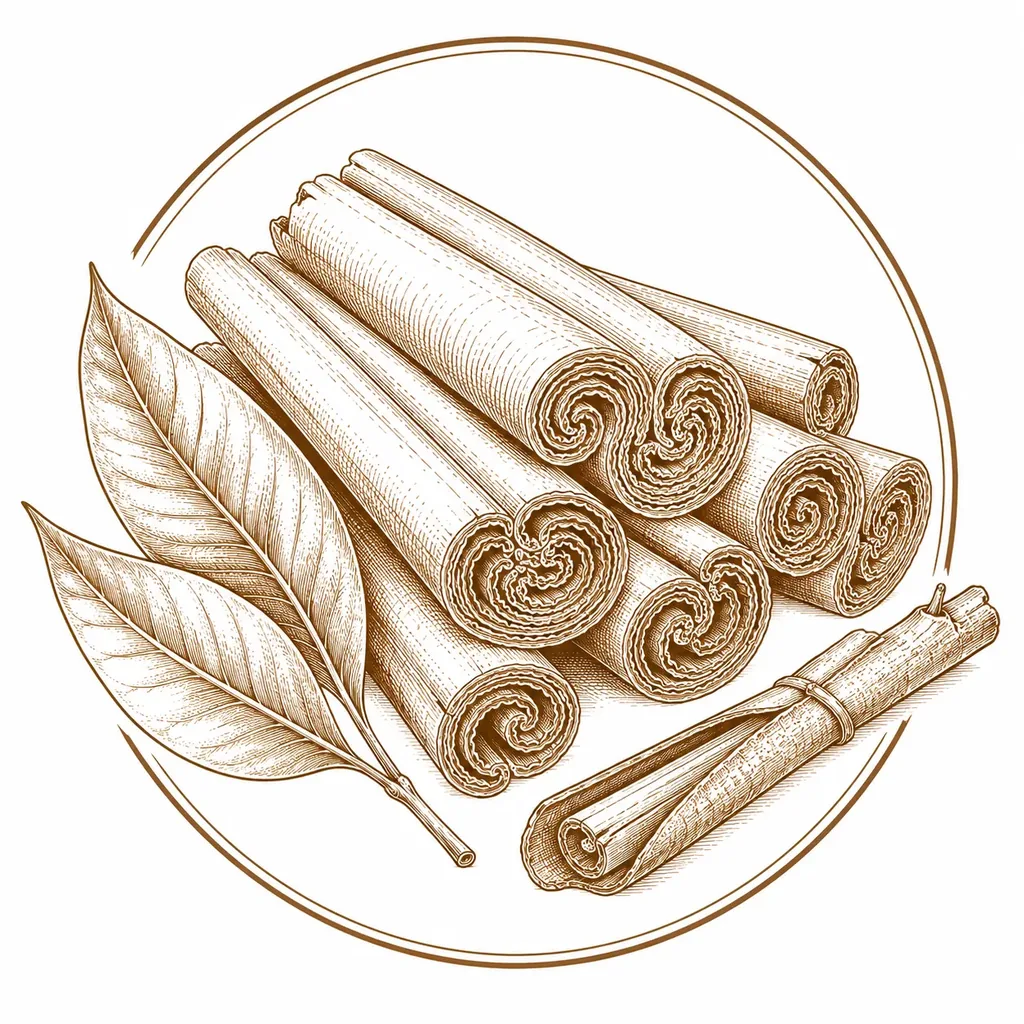
Yes, Ceylon cinnamon is real cinnamon. In fact, it is often called “true cinnamon” because it comes from Cinnamomum verum, the species botanists regard as the original, genuine cinnamon. The confusion arises because most of the cinnamon sold worldwide is actually cassia, a related but different group of species. Both are sold under the single word “cinnamon”, yet only Ceylon cinnamon is the true article native to Sri Lanka.
If you have ever stood in a supermarket aisle wondering whether the jar in your hand is “real” cinnamon, you are asking exactly the right question. The short answer is that Ceylon cinnamon is the genuine, original spice, while the more common product is usually cassia. This guide explains what “real cinnamon” actually means, why the confusion exists, and how to tell what you have. For the full picture, see our pillar guide on what is true Ceylon cinnamon.
What does “real cinnamon” actually mean?
Botanically, “true cinnamon” is the dried inner bark of Cinnamomum verum (also written Cinnamomum zeylanicum), an evergreen tree native to Sri Lanka. The word verum is Latin for “true”, and the species name records centuries of recognition that this particular tree produces the authentic spice. So when people ask whether Ceylon cinnamon is “real”, the answer is that it is the reference point against which every other cinnamon is compared.
The complication is that “cinnamon” is also used loosely as a general culinary term. Several other trees in the Cinnamomum genus produce aromatic bark that is sold and cooked with as cinnamon. These are collectively known as cassia. Cassia is a genuine spice in its own right, not a counterfeit, but it is not the same species as true cinnamon and it has a noticeably different character.
Ceylon cinnamon vs the cinnamon most people buy
Most of the ground cinnamon and cinnamon sticks on ordinary supermarket shelves are cassia rather than Ceylon. Cassia comes mainly from China, Indonesia and Vietnam, and it is cheaper to grow and process, which is why it dominates the global market. Because both are labelled simply “cinnamon”, shoppers rarely realise there is a difference at all. We look at this in depth in Ceylon cinnamon vs cassia, but the essential point is this: cassia is real cassia, and Ceylon is real, true cinnamon. They are cousins, not the same plant.
Why the name “cinnamon” causes so much confusion
The word cinnamon has been applied broadly for a very long time. In many countries there is no legal requirement to distinguish Ceylon cinnamon from cassia on the label, so both are marketed under the same familiar name. A jar simply marked “cinnamon” could contain either. This is not usually deliberate deception, it reflects a long culinary tradition of treating all these barks as one spice. The result, though, is that a shopper who wants genuine Ceylon cinnamon has to look beyond the headline word and check the details.
Another source of confusion is language. In some European languages the two are clearly separated by different words, while in English “cinnamon” covers both. So whether Ceylon cinnamon is “the real one” partly depends on which naming tradition you follow. In botanical and quality terms, however, Cinnamomum verum is unambiguously the true cinnamon.
What makes Ceylon cinnamon the “true” cinnamon
Three things underpin Ceylon cinnamon’s claim to be the genuine article. The first is botany: it is the specific species, Cinnamomum verum, that carries the name “true cinnamon”. The second is history: Sri Lanka (historically called Ceylon) has been the heartland of cinnamon cultivation and the source of the finest cinnamon in world trade for centuries, a story told in our history of Ceylon cinnamon. The third is craft: Ceylon cinnamon is hand-peeled into delicate, papery layers by skilled workers, giving it its distinctive fine quills.
These qualities are also why Ceylon Cinnamon now enjoys formal recognition. The name is protected as a Geographical Indication tied to Sri Lanka, which means “Ceylon Cinnamon” is not just a marketing phrase but a designation linked to a specific origin and standard.
How to tell if your cinnamon is genuine Ceylon
You can often tell the two apart with a few simple checks, even without any special equipment. Genuine Ceylon cinnamon tends to show these characteristics:
Appearance
Ceylon quills are thin, papery and rolled into many nested layers, a little like a cigar made of fine bark. Cassia is usually a thick, hard, hollow single curl. Ceylon is also lighter in colour, a warm tan or golden brown, while cassia is a darker reddish-brown. There is more on this in how to identify authentic Ceylon cinnamon.
Aroma and taste
True cinnamon has a delicate, sweet, fragrant aroma with a complex, mellow flavour. Cassia is stronger, hotter and more pungent. If a cinnamon tastes fiery and one-dimensional, it is more likely cassia; if it is soft, sweet and layered, it is more likely Ceylon.
Texture
Because the bark is so thin, Ceylon cinnamon crumbles easily and can be broken or ground by hand. Cassia is hard and woody and tends to snap rather than crumble.
The label
The most reliable clue of all is the label. Genuine Ceylon cinnamon is usually named as such, and often lists the botanical name Cinnamomum verum (or zeylanicum) and Sri Lanka as the origin. If a product simply says “cinnamon” with no species or origin, it is more likely to be cassia.
Is cassia “fake” cinnamon?
No. It is important to be fair here: cassia is not a fake or a fraud. It is a real spice from real Cinnamomum trees, and it has been used in cooking around the world for a very long time. Its bold, warming flavour is exactly what many classic dishes call for. The point is simply that cassia is a different spice from true cinnamon, with a different species, origin, appearance and flavour profile. Calling Ceylon “true cinnamon” is a botanical distinction, not a judgement that cassia is worthless.
What matters for you as a cook or buyer is knowing which one you are getting, so you can choose the right spice for the job and pay a fair price for it. If you specifically want the delicate, complex character of genuine Ceylon cinnamon, you need to look for it by name rather than trusting the generic word “cinnamon”.
A note on the botanical names
You may see genuine Ceylon cinnamon listed under two scientific names: Cinnamomum verum and Cinnamomum zeylanicum. These refer to the same tree, zeylanicum is an older name derived from “Zeylan”, an historic spelling of Ceylon, while verum (“true”) is the name in common modern use. Either name on a label points to the authentic species. Cassia, by contrast, is sold under several different species names, most commonly Cinnamomum cassia (Chinese cassia), Cinnamomum burmannii (Indonesian or Korintje) and Cinnamomum loureiroi (Saigon or Vietnamese). Seeing one of these cassia names, or no species name at all, is a good sign that the product is not true Ceylon cinnamon.
Which should you use in cooking?
Neither spice is “better” in every situation, they simply suit different purposes. The bold, hot punch of cassia can stand up well to heavy bakes and long-simmered dishes, while the gentle, sweet complexity of Ceylon cinnamon shines in delicate desserts, drinks and dishes where you want fragrance rather than fire. Knowing that your jar might be either one helps you season with intention: if a recipe tastes harsher than expected, you may be using cassia; if you want a softer, more aromatic result, seek out genuine Ceylon. Our guide to the culinary uses of Ceylon cinnamon looks at this in more detail.
Why people increasingly seek out real Ceylon cinnamon
Interest in authentic Ceylon cinnamon has grown as more people learn that the two spices are distinct. Some are drawn by its refined flavour for baking and beverages; others simply want to know exactly what they are buying and cooking with. Whatever the motivation, the demand for clear labelling and genuine origin is a positive development, because it rewards the farmers and peelers in Sri Lanka who produce the true spice. You can read about them in our guide to Sri Lankan cinnamon farming.
Summary
Ceylon cinnamon is unquestionably real cinnamon, it is the original, “true” cinnamon, produced from Cinnamomum verum in Sri Lanka. The reason the question comes up at all is that most cinnamon sold worldwide is cassia, a related but different and cheaper group of species, and both are labelled simply as “cinnamon”. Cassia is a genuine spice too, just not the true cinnamon. To be sure you are buying the real Ceylon article, look for thin, papery, multi-layered quills, a light colour, a sweet and delicate aroma, and a label that names Cinnamomum verum and Sri Lanka.
Frequently asked questions
Is Ceylon cinnamon the same as true cinnamon?
Yes. Ceylon cinnamon comes from Cinnamomum verum, the species known as “true cinnamon”. The two terms refer to the same spice.
Is the cinnamon in my supermarket real cinnamon?
It is usually cassia rather than Ceylon. Cassia is a real spice, but it is a different species from true Ceylon cinnamon. Check the label for the species name and origin to be sure.
Is cassia fake cinnamon?
No. Cassia is a genuine spice from Cinnamomum trees and is widely used in cooking. It is simply not the same as true Ceylon cinnamon, which comes from Cinnamomum verum.
How can I tell if cinnamon is genuine Ceylon?
Look for thin, papery quills rolled in many layers, a light tan colour, a sweet delicate aroma, and a label naming Cinnamomum verum and Sri Lanka.
This website provides educational information about Ceylon Cinnamon as a spice and food ingredient. It is not intended to provide medical advice or make health claims.
Leave a Reply