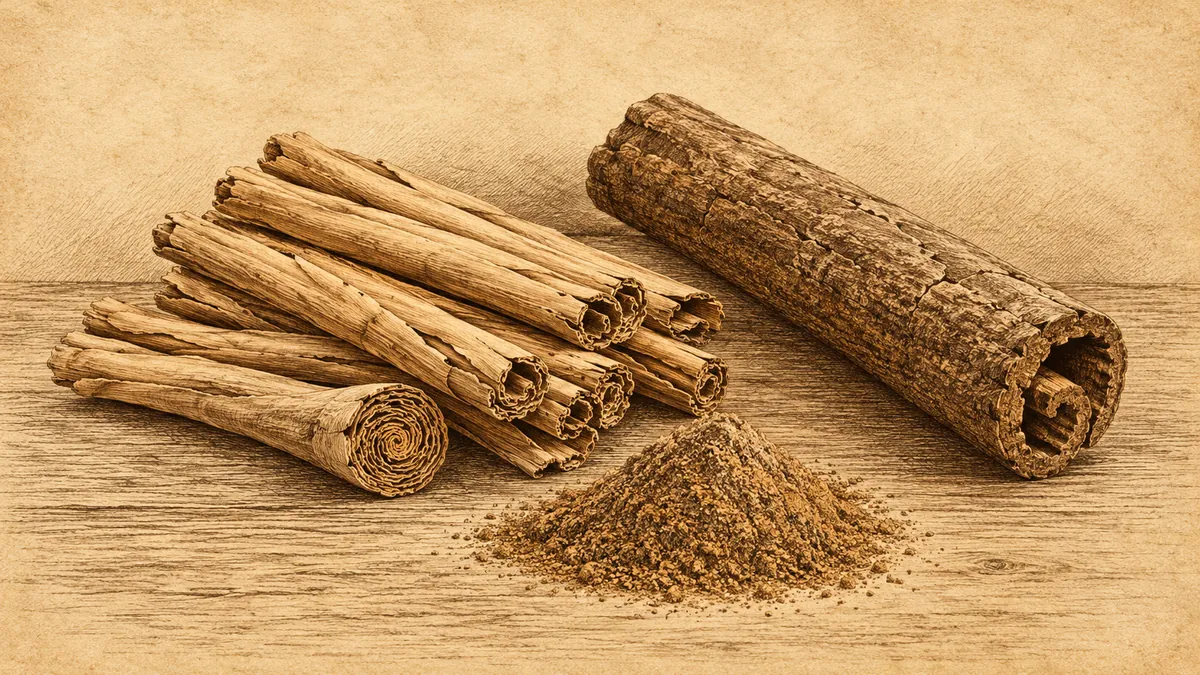
Tag: True cinnamon

  • What Is ‘True Cinnamon’ and Why Does It Matter?

    What Is ‘True Cinnamon’ and Why Does It Matter?

    “True cinnamon” is the common name for Ceylon cinnamon, the spice made from the dried inner bark of Cinnamomum verum, a tree native to Sri Lanka. It is called true cinnamon to set it apart from cassia, a group of related but different barks that are also sold as “cinnamon”. The distinction matters because the two differ in flavour, bark structure and botanical species, so knowing which one you have affects how your food tastes and what you are really buying. This guide explains what true cinnamon means and why the term is worth knowing.

    The phrase “true cinnamon” appears on labels, in recipes and in shops, but it is not always explained. This guide sets out what it means, where it comes from and why the difference is worth caring about, in plain terms. It builds on our pillar guide, what is true Ceylon cinnamon.

    The short answer

    True cinnamon is Ceylon cinnamon, the spice from Cinnamomum verum, grown in Sri Lanka, and the term exists to distinguish it from cassia, the cheaper, more common bark often sold simply as “cinnamon”. It matters because true cinnamon is milder and sweeter, has a thin, layered bark, and is a distinct botanical species, so the name tells you what you are actually getting.

    Where the term comes from

    The word “cinnamon” is used in everyday speech for several different barks from the Cinnamomum family of trees. Only one of them, Cinnamomum verum, is the original spice that the name historically referred to. The Latin word verum itself means “true”, so the botanical name already carries the idea. Over time, as cheaper cassia barks spread through world trade and were also called cinnamon, the term “true cinnamon” came into use to point clearly to the original Ceylon spice rather than its substitutes.

    So “true cinnamon” is not a marketing invention but a way of naming the specific spice that the word cinnamon first described. For more on the species name, see our guide to what Cinnamomum verum means.

    True cinnamon versus cassia

    The reason the term exists is the difference between true cinnamon and cassia. True cinnamon, Cinnamomum verum, comes from Sri Lanka and has a thin, papery bark made of many fine layers rolled into delicate quills. Its flavour is mild, sweet and lightly citrus. Cassia is a group of other species, such as Cinnamomum cassia from China and Cinnamomum burmannii from Indonesia, with a thick, hard single-layer bark and a stronger, hotter, more pungent flavour. Both are real spices, but they are not the same thing. Our full comparison covers this in detail: Ceylon cinnamon versus cassia.

    Because cassia is cheaper and more widely produced, much of the ground “cinnamon” on supermarket shelves is actually cassia. That is exactly why the term true cinnamon is useful: it names the original spice clearly, so you are not left guessing which bark is in the jar.

    Why the difference matters

    Knowing whether you have true cinnamon or cassia matters for a few practical reasons. The first is flavour. True cinnamon is gentle and sweet, which suits delicate desserts, custards and milk-based dishes, while cassia is bolder and better for a strong cinnamon hit in heavier bakes. Using one where you expected the other changes how a dish tastes.

    The second is simply knowing what you are buying. True cinnamon is a distinct, named spice with its own origin and character, and it usually costs more than cassia because it is more labour intensive to produce. When a product says true cinnamon or names Cinnamomum verum, you can be confident you are getting the Ceylon spice rather than a cheaper substitute sold under the same everyday name. For telling them apart yourself, see our guide on how to identify authentic Ceylon cinnamon.

    A little history behind the name

    True cinnamon has a long history that helps explain why it earned its name. For centuries, the thin, fragrant bark of Cinnamomum verum from Sri Lanka was one of the most sought-after spices in the world, carried along ancient trade routes and valued across the Mediterranean and beyond. Because it was rare and precious, it was the cinnamon that people knew and wrote about. As trade grew, cheaper cassia barks from other parts of Asia entered the market under the same broad name, and the two became blurred in everyday use. Calling the Sri Lankan spice “true cinnamon” was a way of keeping the original, historically prized spice distinct from the newer substitutes. The term carries that heritage with it, pointing back to the spice that first made cinnamon famous.

    Where you will see the term

    You are most likely to meet the phrase “true cinnamon” on product packaging, in recipes and in guides about spices. On packaging, it is often paired with “Ceylon cinnamon” and the species name to reassure buyers they are getting Cinnamomum verum. In recipes, a cook may specify true cinnamon when the gentle, sweet flavour matters to the dish. In spice guides and articles, the term is used to draw the clear line between true cinnamon and cassia. Seeing the phrase is usually a sign that the writer or seller wants to be precise about which spice they mean, rather than leaving it to the catch-all word cinnamon.

    How to spot true cinnamon

    You can recognise true cinnamon in a few ways. On a label, look for the words “Ceylon cinnamon” or “true cinnamon” and the species name Cinnamomum verum (or the older Cinnamomum zeylanicum), along with a Sri Lankan origin. By eye, a true cinnamon quill is thin and brittle, made of many layers rolled tightly together like a packed cigar, and it snaps and crumbles easily. A cassia stick is a thick, hard single curl that is much tougher to break. In powder form the two are hard to tell apart, which is why the label matters most for ground cinnamon.

    True cinnamon at a glance

    PointTrue cinnamonCassia
    Also calledCeylon cinnamonChinese, Indonesian, Saigon cinnamon
    SpeciesCinnamomum verumCinnamomum cassia and others
    OriginSri LankaChina, Indonesia, Vietnam
    BarkThin, layered, brittleThick, hard, single layer
    FlavourMild, sweet, delicateBold, hot, pungent
    Typical priceHigherLower

    Does “true cinnamon” mean better cinnamon?

    True cinnamon is not automatically better than cassia for every use, so the term is about identity rather than a simple ranking. True cinnamon is prized for its delicate, sweet flavour and fine quills, and it is the original spice, but cassia has its place where a strong, hot cinnamon flavour is wanted. What the term true cinnamon really tells you is which spice you are dealing with, so you can choose the right one for the dish and know what you are paying for. Thinking of it as a clear label rather than a quality badge is the most useful way to use the term.

    Frequently asked questions

    What does “true cinnamon” mean?

    True cinnamon means Ceylon cinnamon, the spice made from the dried inner bark of Cinnamomum verum, a tree native to Sri Lanka. The term distinguishes it from cassia, a group of related but different barks that are also commonly sold as cinnamon.

    Is true cinnamon the same as Ceylon cinnamon?

    Yes. True cinnamon and Ceylon cinnamon are two names for the same spice, made from Cinnamomum verum and grown in Sri Lanka. “Ceylon” is the historic name for the island, and “true cinnamon” marks it out from cassia.

    Why does it matter if cinnamon is true or cassia?

    It matters because the two differ in flavour, bark and species. True cinnamon is milder and sweeter and suits delicate dishes, while cassia is bolder and hotter. Knowing which you have affects how your food tastes and tells you what you are actually buying.

    Is all cinnamon true cinnamon?

    No. Much of the cinnamon sold, especially ground cinnamon in supermarkets, is cassia rather than true cinnamon. Only cinnamon from Cinnamomum verum is true cinnamon, so check the label for the species name or a Ceylon origin.

    Summary

    True cinnamon is the common name for Ceylon cinnamon, the spice from Cinnamomum verum, grown in Sri Lanka. The term exists to tell it apart from cassia, a group of cheaper, more common barks also sold as cinnamon. The difference matters because true cinnamon is milder and sweeter, has a thin, layered bark and is a distinct species, so the name tells you which spice you really have. It is best understood as a clear label of identity rather than a simple mark of quality, helping you choose the right cinnamon and know what you are buying.

    This website provides educational information about Ceylon Cinnamon as a spice and food ingredient. It is not intended to provide medical advice or make health claims.
  • Why Is It Called Ceylon Cinnamon?

    Why Is It Called Ceylon Cinnamon?

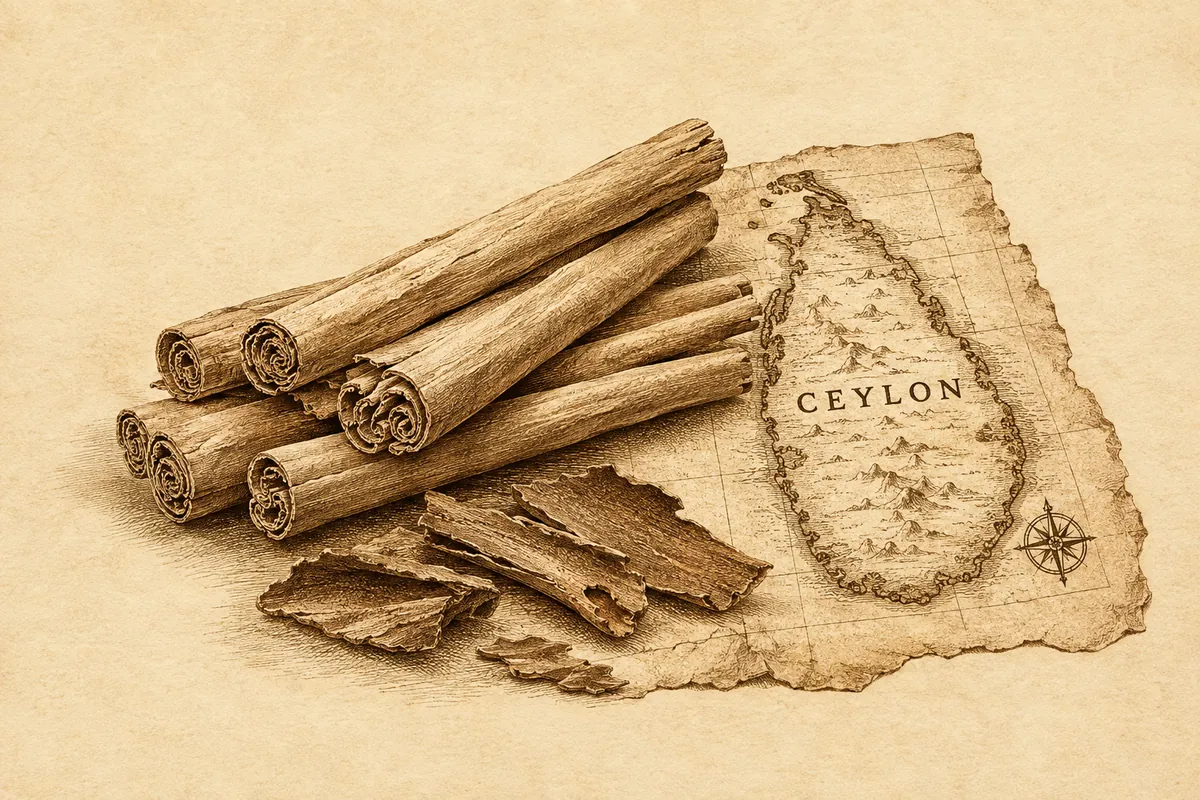
    Ceylon cinnamon is called “Ceylon” cinnamon because it comes from the island of Sri Lanka, which was known as Ceylon for much of its history. This island is the native home of the true cinnamon tree, Cinnamomum verum, and for centuries it was the world’s source of the finest cinnamon. The name stuck to the spice as a mark of origin and quality, and it remains in use today even though the country itself is now called Sri Lanka.

    The name “Ceylon cinnamon” carries a lot of history in two words. This guide explains where the name comes from, why it is still used, and what it tells you about the spice. It builds on our pillar guide to what true Ceylon cinnamon is.

    The short answer

    It is called Ceylon cinnamon because it originates in Sri Lanka, the island formerly named Ceylon, which is the native home of the true cinnamon tree Cinnamomum verum. “Ceylon” was the English name for the country until 1972, and by then the island’s cinnamon was already famous worldwide under that name. The spice kept the name as a recognised sign of its origin and its fine quality, so “Ceylon cinnamon” still means cinnamon from Sri Lanka today.

    Ceylon was the old name for Sri Lanka

    The key to the name is simple: Ceylon and Sri Lanka are the same place. Ceylon was the name used for the island for a long period, especially during British rule, and it remained the country’s official name until 1972, when it was changed to Sri Lanka. During the centuries when the island was called Ceylon, its cinnamon became known around the world, and the spice was named after the place it came from. So Ceylon cinnamon simply means cinnamon from the island once called Ceylon, which is modern Sri Lanka.

    Where the word “Ceylon” itself came from

    The word Ceylon has a long journey behind it. It grew out of older names for the island that passed through several languages. Traders and travellers from different parts of the world each had their own version of the island’s name, and over time the European form settled into “Ceylon” in English, “Ceilão” in Portuguese and “Zeylan” in Dutch. Each of these came from earlier names rooted in the island’s own history. By the time English speakers were using “Ceylon”, it was the everyday name for both the island and, before long, for its most famous spice.

    What matters for the spice is not the exact path of the word, but the fact that “Ceylon” was the name the wider world knew the island by during the very period when its cinnamon trade was at its height. Ships carried the bark to distant ports labelled as coming from Ceylon, merchants bought and sold it under that name, and cooks came to ask for it by name. In this way the word became attached to the spice as firmly as it was to the island, so that centuries later people still reach for “Ceylon cinnamon” without always knowing that Ceylon was ever a country at all.

    The island is the home of true cinnamon

    The name is not only about geography. It also points to the plant. The true cinnamon tree, Cinnamomum verum, is native to Sri Lanka, and the spice made from its bark has been valued for its fine, sweet, delicate character since ancient times. Because the island was the original and finest source of this spice, the world came to associate the very best cinnamon with the island’s name. For more on the botanical name behind the tree, see our guide to what “Cinnamomum verum” actually means. The connection between the spice and its homeland is also why the island’s long trading history is so bound up with cinnamon, as told in our history of Ceylon cinnamon.

    The name marks quality, not just origin

    Over time, “Ceylon cinnamon” came to mean more than just “cinnamon from a certain island”. It became a mark of quality. Because the island produced cinnamon of a fine, mild, sweet kind, buyers and cooks learned that the Ceylon name signalled the real, true spice rather than a rougher substitute. This reputation is one reason the name has lasted. When people say Ceylon cinnamon, they usually mean the premium, authentic spice, and part of the reason it commands attention is bound up with why it is prized, a theme covered in our guide to why Ceylon cinnamon is so expensive.

    Ceylon cinnamon versus cassia

    The name also does an important job of telling true cinnamon apart from cassia. Most of the cinnamon sold cheaply around the world is not Ceylon cinnamon at all but cassia, which comes from different trees grown in other countries. Calling the true spice “Ceylon cinnamon” makes the distinction clear: it is the genuine Cinnamomum verum from Sri Lanka, not one of the cassia types. This is why the name matters so much to people who want the real thing, and it is explained fully in our pillar comparison of Ceylon cinnamon versus cassia.

    The many names for the same spice

    Because of this history, the same spice goes by several names, which can be confusing at first.

    Different names used for the same true cinnamon.
    NameWhat it refers toWhy it is used
    Ceylon cinnamonTrue cinnamon from Sri LankaNamed after the island’s historic name, Ceylon
    True cinnamonThe same spice, Cinnamomum verumTo distinguish it from cassia
    Sri Lankan cinnamonThe same spice, by the modern country nameReflects the country’s current name
    Cinnamomum verumThe botanical species itselfThe scientific name of the tree

    All four names point to the same thing: the dried inner bark of the true cinnamon tree from Sri Lanka. Ceylon cinnamon is simply the most familiar and widely used of them.

    Why the name did not change to “Sri Lanka cinnamon”

    When the country changed its name from Ceylon to Sri Lanka in 1972, the spice did not follow suit for most buyers. By then, “Ceylon cinnamon” was a well established name in kitchens, markets and trade all over the world. Changing a famous product name is difficult once it is widely known, and the Ceylon name already carried a strong reputation for quality. You will sometimes see the spice described as Sri Lankan cinnamon, which is perfectly accurate, but the older name remains the common one. In this way, “Ceylon” lives on as the name of a spice long after it stopped being the name of a country.

    What the name tells a buyer

    For anyone shopping for cinnamon, the name is a useful signal. When a product is clearly labelled as Ceylon cinnamon, and better still names the species Cinnamomum verum, it is telling you that this is the true cinnamon from Sri Lanka rather than a cassia type. That said, names on labels are only as trustworthy as the seller, so it still pays to look for a clear origin and botanical name together. Understanding what the Ceylon name means is the first step to choosing the genuine spice with confidence.

    Frequently asked questions

    Why is it called Ceylon cinnamon?

    Because it comes from Sri Lanka, the island that was called Ceylon for much of its history. The island is the native home of the true cinnamon tree, Cinnamomum verum, and its cinnamon became famous worldwide under the Ceylon name, which the spice still carries today.

    Is Ceylon the same as Sri Lanka?

    Yes. Ceylon was the name of the country until 1972, when it was changed to Sri Lanka. They are the same island. Ceylon cinnamon therefore means the same thing as Sri Lankan cinnamon: true cinnamon grown in Sri Lanka.

    Is Ceylon cinnamon the same as true cinnamon?

    Yes. Ceylon cinnamon, true cinnamon and Cinnamomum verum all refer to the same spice, made from the inner bark of the true cinnamon tree native to Sri Lanka. The different names are used to tell it apart from cassia.

    Why is the name still used if the country is now Sri Lanka?

    Because “Ceylon cinnamon” was already an established, well known name for the spice long before the country was renamed in 1972. The name carries a strong reputation for quality, so it stayed in use even though the country’s own name changed.

    Summary

    Ceylon cinnamon is called Ceylon cinnamon because it comes from Sri Lanka, the island known as Ceylon for much of its history and until 1972. This island is the native home of the true cinnamon tree, Cinnamomum verum, and was long the world’s source of the finest cinnamon, so the spice took the island’s name as a sign of both origin and quality. The name also helps tell true cinnamon apart from cassia. Even though the country is now Sri Lanka, the older name remains the common one, which is why the same spice is known as Ceylon cinnamon, true cinnamon, Sri Lankan cinnamon and Cinnamomum verum, all pointing to one thing: the real cinnamon of Sri Lanka.

    This website provides educational information about Ceylon Cinnamon as a spice and food ingredient. It is not intended to provide medical advice or make health claims.

  • What Is a Cinnamon Quill? Definition and Origin

    What Is a Cinnamon Quill? Definition and Origin

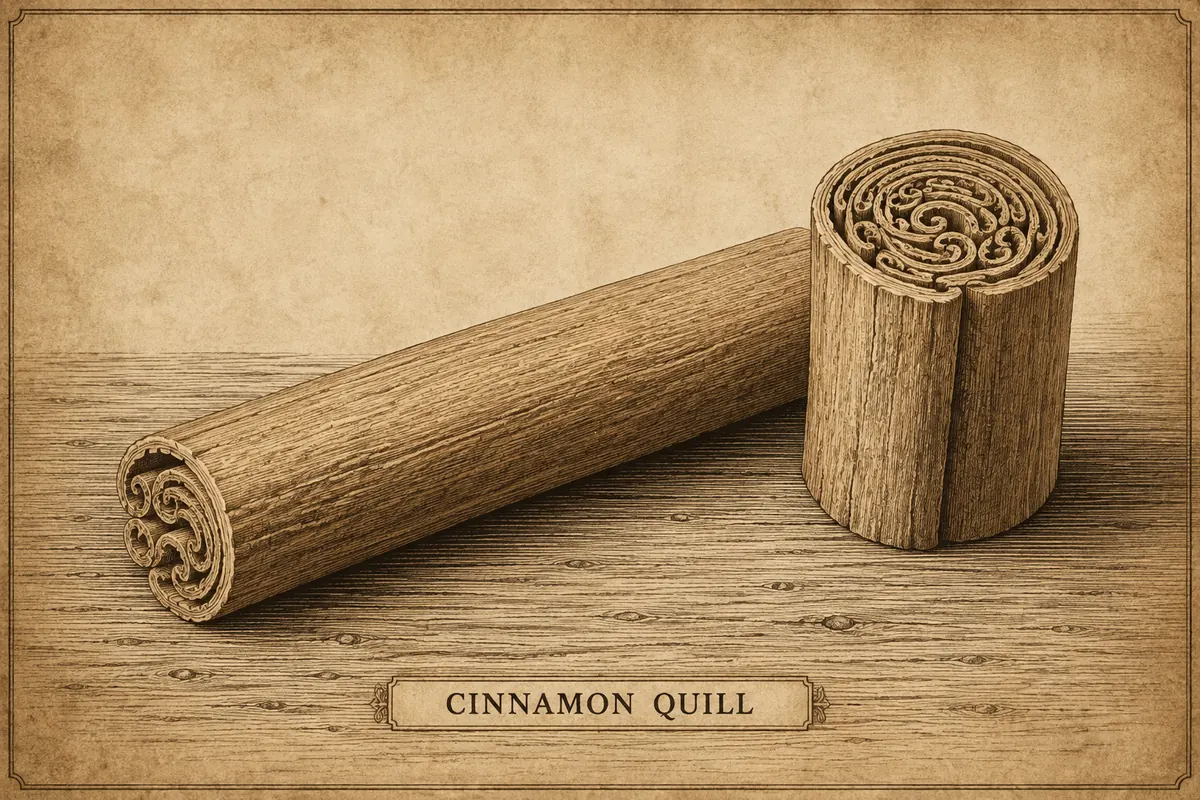
    A cinnamon quill is a stick of dried cinnamon bark that has curled into a hollow tube as it dries. In true Ceylon cinnamon, a quill is made from many thin, soft layers of inner bark rolled together by hand into a single neat roll. The word “quill” comes from the same root as a writing quill and a reed, because the rolled bark looks like a hollow tube or pen.

    “Quill” is the traditional name for what many people simply call a cinnamon stick, and it is the word used in the cinnamon trade. This guide explains exactly what a quill is, where the name comes from, how quills are formed, and how they relate to grades. It builds on our guide to Ceylon cinnamon grades.

    The short answer

    A cinnamon quill is a rolled tube of dried cinnamon bark, the classic form of the whole spice. For Ceylon cinnamon, peelers take the thin inner bark, layer several pieces together and roll them into a long, slender quill that dries into a firm stick. The result is the familiar pale, papery, multi-layered roll that sets true cinnamon apart from the thick, hard single curl of cassia.

    Where does the word “quill” come from?

    The word “quill” originally meant a hollow reed or the hollow shaft of a feather, the kind once cut into a pen. Because a roll of cinnamon bark forms a similar hollow tube, the same word came to be used for it. So a cinnamon quill is named for its shape: a neat, hollow roll. The term has been part of the spice trade for a long time and remains the correct name for a whole rolled cinnamon stick today.

    How a cinnamon quill is formed

    A quill does not simply grow on the tree; it is made through skilled handwork. After the outer bark is scraped away, the peeler lifts off the thin inner bark in strips. Several of these strips are then layered inside one another and rolled together into a long tube. As the roll dries, it tightens and firms into a solid quill. This craft is at the heart of how the spice is produced, as our guide to how Ceylon cinnamon is made explains in full.

    Why Ceylon quills have many layers

    The layered structure is a signature of true Ceylon cinnamon. Because its inner bark is so thin and delicate, several pieces are combined to make one quill, giving the cross-section its distinctive look of many soft, rolled-up layers, a little like a rolled cigar or a tiny scroll. Cassia, by contrast, has thick bark that curls into a single hard layer. This difference is one of the easiest ways to tell the two apart.

    Cinnamon quill vs cinnamon stick

    “Quill” and “stick” describe the same thing. Quill is the traditional trade term for a rolled length of cinnamon bark, while “stick” is the everyday word most shoppers use. There is no difference in the product; a cinnamon stick is a cinnamon quill. You will see “quill” more often on specialist and export packaging, and “stick” more often in supermarkets and recipes. Our guide to cinnamon sticks covers the same form in everyday terms.

    Quill sizes and lengths

    Quills are usually sold cut to a standard length, commonly around 8 to 10 centimetres for retail, though export quills can be much longer before cutting. Their diameter and neatness feed into how they are graded: fine, slender, evenly rolled quills of pale bark are prized, while thicker or broken pieces are graded lower. The finest grades are made from the thinnest, most tightly rolled quills, which is why a well-made quill is a mark of careful peeling and good bark rather than just a pretty shape. The look of the quill is therefore closely tied to quality, a link set out in our guide to Ceylon cinnamon grades.

    Quills and related forms at a glance

    How quills relate to other forms of cinnamon.
    TermWhat it means
    QuillA whole rolled tube of dried cinnamon bark
    StickThe everyday word for a quill
    QuillingsSmall broken pieces of quill
    FeatheringsThin inner bark shavings and small curls
    ChipsCut pieces of bark, often for grinding or infusing
    GroundQuills milled into powder

    These terms are all part of the cinnamon vocabulary, and several appear in our glossary of Ceylon cinnamon terms.

    Why the quill form matters

    The quill is not just how cinnamon looks; it is a practical and useful form. Whole quills keep their aroma far longer than powder, because less of the bark is exposed to air. They can be dropped whole into curries, rice, drinks and syrups to infuse flavour, then lifted out. And their multi-layered structure is a quick visual test of authenticity, since only true Ceylon cinnamon rolls into those thin, soft layers. In short, the quill is both the traditional shape of the spice and a sign of what it is. For anyone learning about Ceylon cinnamon, understanding the quill is a natural starting point, since so much of the spice’s quality, history and identity is wrapped up in that simple rolled tube of bark.

    A short history of the cinnamon quill

    The rolled quill is not a modern invention. For centuries, cinnamon was traded across the world in this form, because rolling the bark made it easier to dry, bundle, pack and ship without it crumbling. The neat tubes could be tied together, graded by eye, and carried great distances while holding their aroma. So the quill is partly a practical answer to an old problem: how to move a delicate spice safely from a small island to distant markets. The shape we still buy today carries that long trading history inside it.

    How to store and use quills

    Because a quill exposes little of its bark to the air, it keeps its flavour well. Stored whole in an airtight jar, away from heat, light and damp, Ceylon cinnamon quills stay fragrant for a long time, often a couple of years. In the kitchen they are used whole: a quill is added to a simmering pot, a warm drink or a syrup, left to infuse its gentle sweetness, then removed before serving. When you want ground cinnamon, a brittle Ceylon quill can be snapped and milled fresh, which gives a brighter flavour than powder that has been sitting open. In this way the quill is both a storage form and a cooking tool.

    Spotting a good quill

    A fine Ceylon quill is pale tan, slender and light, with a smooth surface and a clear pattern of thin rolled layers at the cut ends. It should feel brittle rather than hard, snapping cleanly, and smell sweet and delicate. A very dark, thick, heavy stick that curls in a single hard layer and smells sharp is a cassia quill rather than true cinnamon. Learning to read these signs in the quill itself is one of the simplest ways to judge what you are buying before you even taste it.

    Frequently asked questions

    What is a cinnamon quill?

    A cinnamon quill is a stick of dried cinnamon bark that has rolled into a hollow tube. In Ceylon cinnamon, it is made by layering and rolling several pieces of thin inner bark by hand, which then dry into a firm, pale, multi-layered roll.

    Is a cinnamon quill the same as a cinnamon stick?

    Yes. “Quill” is the traditional trade name and “stick” is the everyday word, but they mean the same thing: a whole rolled length of cinnamon bark.

    Why is it called a quill?

    Because the rolled bark forms a hollow tube, like a reed or the shaft of a feather quill once used as a pen. The name describes the shape of the rolled cinnamon.

    Why do Ceylon cinnamon quills have layers?

    Because the inner bark of true cinnamon is very thin, so several pieces are rolled together to make one quill. This gives the cross-section its distinctive many-layered look, which cassia, with its single thick layer, does not have.

    Summary

    A cinnamon quill is the classic rolled tube of dried cinnamon bark, named after the hollow reed or feather pen it resembles. In true Ceylon cinnamon, a quill is made by hand from many thin layers of inner bark rolled together, giving the pale, papery, multi-layered look that marks it out from cassia. “Quill” and “stick” mean the same thing, with quill being the traditional trade term. The quill form keeps cinnamon fresh, makes it easy to infuse and remove, and offers a quick test of authenticity, which is why it remains the signature shape of the spice.

    This website provides educational information about Ceylon Cinnamon as a spice and food ingredient. It is not intended to provide medical advice or make health claims.
  • What Does ‘Cinnamomum verum’ Actually Mean?

    What Does ‘Cinnamomum verum’ Actually Mean?

    “Cinnamomum verum” is the scientific name of the true cinnamon tree, and it means, quite literally, “true cinnamon”. Cinnamomum is the genus, the group of trees that all cinnamons belong to, and verum is the Latin word for “true” or “genuine”. So when a label says Cinnamomum verum, it is telling you the spice is real Ceylon cinnamon rather than one of the cheaper cassia types.

    The name looks technical, but it carries a simple and useful message for anyone buying cinnamon. This guide explains what each part means, why the tree earned the name “true”, and how it helps you tell real Ceylon cinnamon from the rest. It builds on our pillar guide to what true Ceylon cinnamon is.

    The short answer

    Cinnamomum verum is the botanical name for the true cinnamon tree, native to Sri Lanka, whose bark gives us Ceylon cinnamon. The two-word name follows the standard system scientists use for every plant: the first word is the genus and the second is the species. Here the species word, verum, means “true”, marking this tree out as the original, genuine cinnamon among several look-alikes.

    Breaking down the name

    Cinnamomum: the genus

    Cinnamomum is the genus, a family group of related evergreen trees in the laurel family. Many species sit within it, including both true cinnamon and the various cassias. The word itself comes from old names for the spice that reach back through Greek and earlier languages, a history covered in our glossary of cinnamon terms.

    Verum: the species

    Verum is the species name, and it is Latin for “true” or “genuine”. Naming the tree “true cinnamon” was a deliberate way to separate it from the other Cinnamomum species that are sold as cinnamon but are botanically different. In other words, the name itself makes a claim: this is the real one.

    Why is it called “true” cinnamon?

    The tree is called true cinnamon because it is the original spice that the name “cinnamon” first referred to, long before the cheaper cassia barks became common substitutes. Cassia comes from other Cinnamomum species and is coarser and stronger, but it is often sold simply as “cinnamon”. To distinguish the fine, delicate, original spice from these substitutes, botanists gave it the species name verum, meaning true. Understanding this difference is the heart of our guide on whether Ceylon cinnamon is the real cinnamon.

    Cinnamomum verum and Cinnamomum zeylanicum

    You may also see the same tree called Cinnamomum zeylanicum. This is an older scientific name for exactly the same species, and the two names refer to the identical tree. Zeylanicum means “of Ceylon”, the old name for Sri Lanka, so it points to the tree’s home. Today Cinnamomum verum is the accepted name, but Cinnamomum zeylanicum is still widely used and means the same thing. Either name on a label indicates true Ceylon cinnamon.

    The name compared with cassia species

    True cinnamon and the main cassia species, by scientific name.
    Scientific nameCommon nameType
    Cinnamomum verumCeylon cinnamon, true cinnamonTrue cinnamon
    Cinnamomum cassiaChinese cassiaCassia
    Cinnamomum loureiroiSaigon cinnamonCassia
    Cinnamomum burmanniiKorintje, Indonesian cinnamonCassia

    All four are members of the same Cinnamomum genus, which is why they share the cinnamon name, but only Cinnamomum verum is true cinnamon. The rest are cassias, as our guide to Ceylon cinnamon vs cassia explains in full.

    How botanical names work

    The two-word style of Cinnamomum verum is not unique to cinnamon. Every plant and animal has a scientific name made of two Latin parts, a system introduced in the eighteenth century so that people everywhere could refer to the same living thing without confusion. The first word, always capitalised, is the genus, a broad group of close relatives. The second word, in lower case, is the species, the particular member of that group. Together they pin down one exact plant.

    This matters for cinnamon because common names are slippery. The word “cinnamon” is used loosely for several different barks, and it can mean different things in different shops and countries. A scientific name does not move: Cinnamomum verum means one specific tree, wherever you are and whatever language you speak. That is exactly why it appears on the labels of quality Ceylon cinnamon.

    The history behind the name

    Cinnamon was one of the most sought-after spices of the ancient world, traded across long distances and often shrouded in mystery about where it came from. For much of that history, the fine cinnamon of Sri Lanka and the coarser cassia of other regions were both simply called cinnamon. As botany became a formal science, naming the Sri Lankan tree verum, “true”, was a way of settling which of these was the original spice. The name is therefore a small piece of history in itself, recording the long effort to tell genuine cinnamon from its substitutes.

    Other names you might see

    On packaging and in recipes you may meet several names for the same spice: true cinnamon, real cinnamon, Ceylon cinnamon, Sri Lankan cinnamon, Cinnamomum verum and Cinnamomum zeylanicum. These all point to the one tree. Cassia, by contrast, may appear as Chinese cinnamon, Saigon cinnamon, Korintje or Indonesian cinnamon, and these are different species. Knowing that the many friendly names for true cinnamon sit behind a single scientific name helps cut through the confusion on a busy shelf.

    How to say it

    The name is easier to say than it looks. Cinnamomum is said roughly as “sin-uh-MOH-mum”, and verum as “VAIR-um”. You do not need to use the Latin name in everyday life, but recognising it on a label is genuinely useful, since it is the clearest sign that a product is real Ceylon cinnamon. Saying it aloud once or twice makes it stick, and after that the name jumps out at you whenever you scan a spice jar or an ingredients list.

    Why the name matters when buying

    The main reason to know this name is shopping. Because ordinary cassia is often labelled just “cinnamon”, the surest way to know you are getting the true spice is to look for the words Cinnamomum verum (or Cinnamomum zeylanicum) on the packet, ideally with Sri Lanka named as the origin. A product that only says “cinnamon”, with no species name and no origin, may well be cassia. The scientific name is, in effect, a quality signal printed on the label.

    What the name does not tell you

    The scientific name confirms the species, but it does not tell you everything about quality. Two products can both be genuine Cinnamomum verum and still differ in grade, freshness and care of processing. The name assures you that the tree is true cinnamon, not that a particular jar is the finest grade or the freshest stock. So while Cinnamomum verum on the label is an excellent first check, it works best alongside the other signs of quality: a clear Sri Lankan origin, a pale colour, thin soft bark and a sweet, delicate aroma. Think of the name as the foundation of trust, with grade and freshness built on top of it.

    Frequently asked questions

    What does Cinnamomum verum mean?

    It is the scientific name of the true cinnamon tree. Cinnamomum is the genus of cinnamon trees, and verum is Latin for “true” or “genuine”. Together they mean “true cinnamon”, the real Ceylon cinnamon from Sri Lanka.

    Is Cinnamomum verum the same as Ceylon cinnamon?

    Yes. Cinnamomum verum is the botanical name for the tree whose bark is sold as Ceylon cinnamon, also called true cinnamon. They are the same spice.

    What is the difference between Cinnamomum verum and Cinnamomum zeylanicum?

    There is no difference in the plant. Both names refer to the same true cinnamon tree. Cinnamomum verum is the current accepted name, while Cinnamomum zeylanicum is an older name meaning “cinnamon of Ceylon”. Either indicates true Ceylon cinnamon.

    Why should I look for Cinnamomum verum on a label?

    Because cheaper cassia is often sold simply as “cinnamon”. Seeing Cinnamomum verum or Cinnamomum zeylanicum on the label, with Sri Lanka as the origin, is the clearest confirmation that you are buying genuine Ceylon cinnamon.

    Summary

    Cinnamomum verum is the scientific name of the true cinnamon tree, and it means “true cinnamon”: Cinnamomum is the genus of cinnamon trees, and verum is Latin for “true”. The name marks this Sri Lankan species out from the cassia barks that are often sold as cinnamon. The same tree is also called Cinnamomum zeylanicum, meaning “of Ceylon”. For anyone buying cinnamon, the name is a practical guide: look for Cinnamomum verum on the label, with Sri Lanka as the origin, and you can be confident you have the real, true Ceylon cinnamon.

    This website provides educational information about Ceylon Cinnamon as a spice and food ingredient. It is not intended to provide medical advice or make health claims.

  • Ground Ceylon Cinnamon Explained

    Ground Ceylon cinnamon is simply true cinnamon (Cinnamomum verum) bark that has been dried and milled into a fine, soft powder. It has the same delicate, sweet flavour as the whole quills, but in a form that mixes instantly into baking, drinks and cooking. Because it is ready to use, it is the most convenient way to add cinnamon flavour, though it loses its aroma faster than whole sticks.

    This guide explains what ground Ceylon cinnamon is, how it is made, how to use it, and how it compares with whole sticks. It pairs with our pillar guide on the culinary uses of Ceylon cinnamon.

    What is ground Ceylon cinnamon?

    Ground Ceylon cinnamon is powdered true cinnamon, made by grinding the dried inner bark of the Cinnamomum verum tree. It is the same spice as a cinnamon quill, just milled fine so it can be measured by the spoon and stirred straight into food. True Ceylon cinnamon powder is a light tan brown, with a soft, mellow, sweet aroma, which sets it apart from the darker, harsher powder of cassia. To understand the raw spice behind the powder, see our guide to what true Ceylon cinnamon is.

    How ground cinnamon is made

    Ground cinnamon starts as whole quills. The thin inner bark is peeled, rolled and dried into sticks, then the sticks, along with smaller pieces and off-cuts, are milled into powder. Because Ceylon cinnamon bark is thin and soft, it grinds easily into a fine, pale powder. The whole process, from bark to powder, follows the same careful steps set out in our guide to how Ceylon cinnamon is made, with grinding as the final stage.

    How to use ground Ceylon cinnamon

    Ground cinnamon is the go-to form for anything where the spice needs to be mixed in evenly. Stir it into cake batter, cookie dough, bread and pastry; sprinkle it over porridge, yoghurt, fruit and toast; whisk it into smoothies, coffee and hot chocolate; and add it to spice blends and rubs. Its fine texture means it blends without leaving lumps, giving an even flavour throughout the dish. For baking in particular it is far easier than a whole stick, as our guide on Ceylon cinnamon in baking explains.

    Ground cinnamon vs cinnamon sticks

    Both are the same spice in different forms, and each suits different jobs. Ground cinnamon gives instant, even flavour and is best for baking and sprinkling. Whole sticks release their flavour slowly and cleanly into liquids, and keep their aroma much longer in storage. Many cooks keep both, reaching for powder when they want quick, mixed-in flavour and sticks when they want a slow infusion. Our guide on how to cinnamon sticks covers the whole form in detail.

    Ground Ceylon cinnamon compared with whole cinnamon sticks.
    FeatureGround cinnamonCinnamon sticks
    FormFine powderWhole rolled quills
    Flavour releaseInstantSlow infusion
    Best forBaking, sprinkling, blendingCurries, rice, drinks, syrups
    Mixes into foodYes, evenlyNo, removed after use
    Shelf life of aromaShorter, monthsLonger, years
    ConvenienceVery highNeeds infusing

    How much ground cinnamon to use

    Ground cinnamon is concentrated, so a little goes a long way. For most recipes, half a teaspoon to a teaspoon flavours a dish for four to six people. Because Ceylon cinnamon is mild and sweet rather than sharp, you can use a generous hand without it turning bitter, but it is still wise to start modestly and add more to taste. As a rough rule, one whole stick is roughly equal to about half a teaspoon of ground cinnamon, though this varies with freshness.

    Why ground cinnamon loses flavour faster

    Once bark is ground, far more of its surface is exposed to air, so the aromatic oils fade more quickly than in a whole stick. This is why ground cinnamon is best bought in small amounts and used within a few months to a year, while whole quills keep their aroma for much longer. Storing powder well slows this down. Keep it in an airtight jar, away from heat, light and moisture, as set out in our guide on how to store Ceylon cinnamon properly.

    How to spot good ground Ceylon cinnamon

    Good ground Ceylon cinnamon is a soft, light tan brown, not a dark reddish brown, and it smells sweet and delicate rather than sharp and hot. The label should name Ceylon cinnamon or Cinnamomum verum, ideally with Sri Lanka as the origin. A very cheap, very dark, strongly pungent powder is usually cassia rather than true cinnamon. Buying from a seller who states the type and origin clearly is the simplest way to be sure you are getting real Ceylon cinnamon powder.

    Can you grind your own?

    Yes, and it is a good way to keep the flavour fresh. Because Ceylon quills are thin and brittle, they break up easily and can be ground at home in a spice grinder, or even crushed with a pestle and mortar. Grinding a small amount as you need it means the powder is at its most aromatic, since it has not been sitting exposed to air. This is a simple way to enjoy the convenience of powder with the freshness of whole sticks. If you buy quills for slow cooking anyway, grinding a few of them when your powder runs low saves money and gives a noticeably brighter flavour than a jar of powder that has sat open for months. A short blitz in a clean, dry grinder is usually all it takes to turn brittle Ceylon quills into a fine, fragrant powder.

    Everyday ways to use the powder

    Part of the appeal of ground cinnamon is how easily it slips into daily food. A pinch stirred into morning oats or yoghurt adds gentle warmth, and a light dusting over buttered toast or a warm scone is a simple treat. In drinks, a small spoonful whisked into coffee, warm milk or a smoothie carries the flavour right through. It works in savoury cooking too, blended into curry powders, spice rubs for roast vegetables, and warm grain dishes. Because true Ceylon cinnamon is soft and sweet rather than fiery, it suits both sweet and savoury food without dominating, which makes it one of the friendliest spices to keep within reach.

    Colour, texture and freshness

    The look and feel of the powder tell you a lot. Fresh ground Ceylon cinnamon is a warm, light tan, fine and slightly fluffy, and it releases a clear sweet scent as soon as the jar is opened. As it ages, the colour dulls a little and, more tellingly, the aroma weakens. A quick sniff is the best test: if the powder smells faint, it has passed its best and will give a weaker flavour, so it is worth refreshing your jar. Keeping only a small amount at a time, and topping it up often, is the easiest way to make sure the cinnamon you cook with is always fragrant.

    Frequently asked questions

    What is ground Ceylon cinnamon?

    It is true cinnamon powder, made by milling the dried inner bark of the Cinnamomum verum tree. It is the same spice as a Ceylon cinnamon stick, ground fine so it mixes straight into food and drink.

    Is ground cinnamon the same as cinnamon sticks?

    It is the same spice in a different form. Ground cinnamon is powder that gives instant, even flavour and suits baking and sprinkling. Sticks are whole quills that infuse slowly into liquids and keep their aroma longer. Which to use depends on the dish.

    How long does ground Ceylon cinnamon last?

    Ground cinnamon keeps its best flavour for a few months up to about a year if stored in an airtight jar away from heat, light and moisture. It fades faster than whole sticks because grinding exposes more of the bark to air.

    How can I tell if ground cinnamon is Ceylon?

    True Ceylon cinnamon powder is a light tan brown with a soft, sweet smell, and the label names Ceylon cinnamon or Cinnamomum verum. A very dark, strongly pungent, very cheap powder is usually cassia instead.

    Summary

    Ground Ceylon cinnamon is true cinnamon bark milled into a fine, light tan powder with the same sweet, delicate flavour as the whole quills. It is the most convenient form, mixing instantly into baking, drinks, cereals and spice blends, though it loses its aroma faster than sticks and is best used within a few months to a year. Whole sticks suit slow infusions and long storage, while ground cinnamon suits quick, even flavour. Look for a soft pale colour, a sweet smell and a clear Ceylon or Cinnamomum verum label to be sure you are buying the real thing.

    This website provides educational information about Ceylon Cinnamon as a spice and food ingredient. It is not intended to provide medical advice or make health claims.
  • Ceylon Cinnamon vs Saigon Cinnamon

    Ceylon Cinnamon vs Saigon Cinnamon

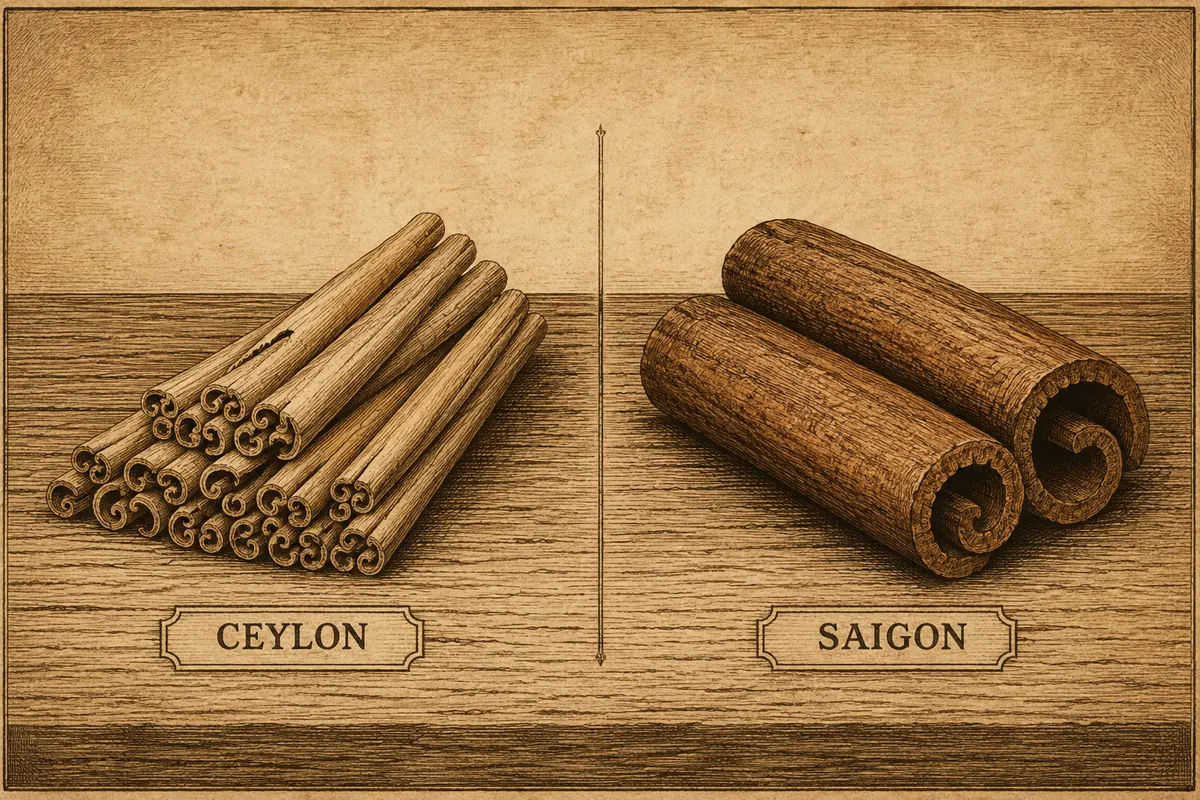
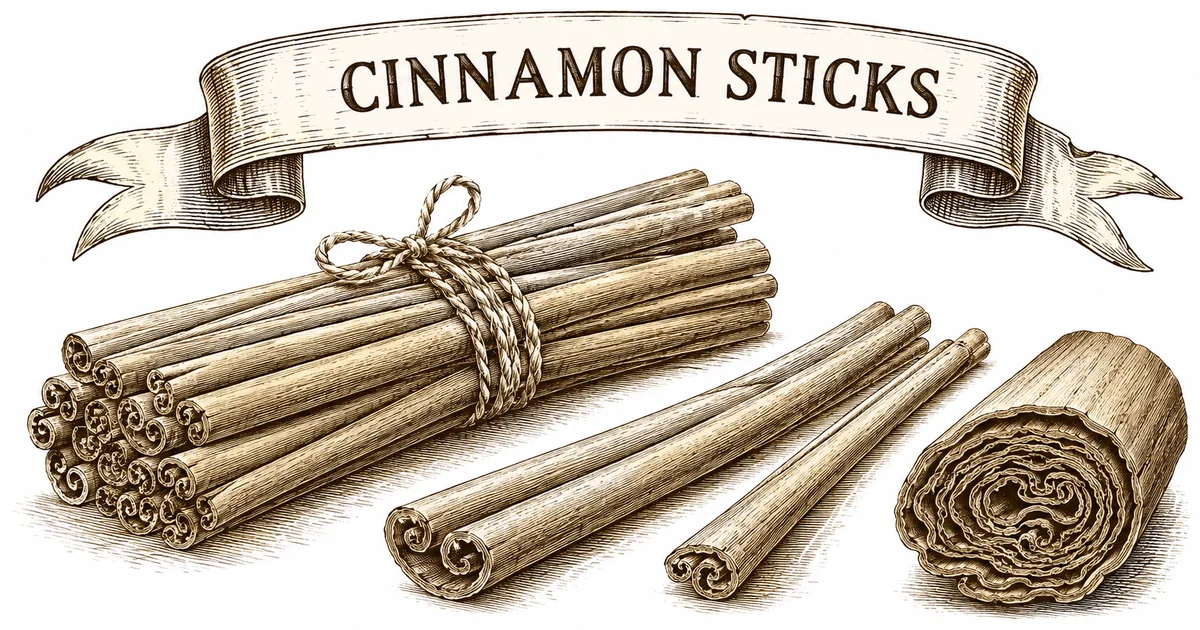
    Ceylon cinnamon and Saigon cinnamon are two very different spices that share a name. Ceylon cinnamon is true cinnamon (Cinnamomum verum) from Sri Lanka, prized for its light, sweet, delicate flavour. Saigon cinnamon is a type of cassia (Cinnamomum loureiroi) from Vietnam, known for its bold, intense, spicy punch. If you have seen both on a shelf and wondered which is which, this guide explains the differences in plain terms.

    Saigon cinnamon, sometimes sold as Vietnamese cinnamon, is one of the strongest and most aromatic cassia types, which is why it is popular with bakers who want a big, warming flavour. It is still a cassia, though, and that puts it in a different family from true Ceylon cinnamon. For the wider picture, this article sits alongside our pillar guide on Ceylon cinnamon vs cassia.

    The short answer

    Ceylon cinnamon is true cinnamon with a mild, complex, sweet flavour and thin, soft bark. Saigon cinnamon is a premium cassia with a strong, sweet-hot flavour and thick, hard bark. Both are real spices with their own uses, but they are botanically distinct: Ceylon comes from Cinnamomum verum, Saigon from Cinnamomum loureiroi. Saigon also has a much higher level of a naturally occurring compound called coumarin, which is worth knowing about, as our guide on the coumarin difference explains.

    What is Saigon cinnamon?

    Saigon cinnamon is the bark of Cinnamomum loureiroi, a tree grown mainly in Vietnam. It is a member of the cassia group of cinnamons rather than the true cinnamon group. Among cassias it is often considered the most flavourful, with a high oil content that gives it a powerful, sweet, spicy taste. Because of that strength, it is a favourite for baking, where a bold cinnamon flavour is wanted in cakes, rolls and cookies.

    Despite the intense flavour, Saigon cinnamon shares the physical traits of other cassias: a thick, hard, single-layer bark that curls into a solid tube. This sets it apart from the thin, papery, multi-layered quills of true Ceylon cinnamon.

    What is Ceylon cinnamon?

    Ceylon cinnamon is the dried inner bark of Cinnamomum verum, native to Sri Lanka. It is known as true cinnamon and has a light brown colour, a soft and brittle texture, and a delicate, sweet, layered flavour with gentle floral and citrus notes. Its quills are made of many thin layers rolled together, which crumble easily. To learn the essentials, see our guide to what true Ceylon cinnamon is.

    Ceylon vs Saigon: the key differences

    Botanical source

    The most basic difference is the plant. Ceylon cinnamon comes from Cinnamomum verum, the only species considered true cinnamon. Saigon cinnamon comes from Cinnamomum loureiroi, one of several cassia species. They are related but distinct trees.

    Flavour

    Ceylon cinnamon is mild, sweet and complex, with a refined taste that does not overpower a dish. Saigon cinnamon is the opposite: strong, sweet and hot, with a pronounced spicy kick. Where Ceylon adds a gentle background warmth, Saigon makes cinnamon the star of the flavour.

    Appearance and texture

    Ceylon quills are pale, thin and soft, rolling up like a fragile cigar of many layers. Saigon quills are darker, thicker and hard, forming a tough single-curl tube. If you can snap it easily and see thin papery layers, it is Ceylon; if it is hard and dense, it is a cassia such as Saigon. Our guide on how to identify real Ceylon cinnamon covers these tests in more detail.

    Coumarin content

    Like other cassias, Saigon cinnamon naturally contains a much higher level of coumarin than Ceylon cinnamon, which has only trace amounts. This is a simple botanical fact about the two spices rather than a health claim, and it is one reason some people choose Ceylon for everyday use.

    Price

    Ceylon cinnamon is usually more expensive because it is hand-processed and produced in smaller quantities. Saigon cinnamon costs more than ordinary supermarket cassia but is generally still cheaper than true Ceylon cinnamon.

    Ceylon cinnamon vs Saigon cinnamon at a glance

    A side-by-side comparison of Ceylon and Saigon cinnamon.
    FeatureCeylon cinnamonSaigon cinnamon
    SpeciesCinnamomum verum (true cinnamon)Cinnamomum loureiroi (a cassia)
    Main originSri LankaVietnam
    FlavourMild, sweet, complexStrong, sweet, spicy
    BarkThin, soft, many layersThick, hard, single curl
    ColourLight tan brownDarker reddish brown
    CoumarinVery low (trace)High
    Typical priceHigher, premiumMid-range

    Which one should you use?

    The right choice depends on the dish and the flavour you want. Saigon cinnamon suits recipes where a strong, dominant cinnamon flavour is the goal, such as cinnamon rolls, spiced cookies and bold baked goods. Ceylon cinnamon suits dishes where you want a subtle, refined sweetness that blends with other flavours, such as delicate desserts, drinks, fruit dishes and light curries.

    Many cooks keep both: Saigon for a punchy hit in baking, and Ceylon for a gentle, everyday warmth. Neither is simply better than the other; they are different tools for different jobs. If you mostly drink cinnamon in tea or add it to fruit and porridge, the softer Ceylon flavour tends to be more pleasant. If you bake big, sweet, spiced treats, the boldness of Saigon can be the better match. Trying a small amount of each side by side is the quickest way to learn which you prefer.

    Where each spice comes from

    Origin is a big part of the story. Ceylon cinnamon is tied to Sri Lanka, the island that has grown and traded true cinnamon for centuries and remains its main home today. The spice is a point of national pride there, and the finest grades still come from the south-western coastal districts.

    Saigon cinnamon takes its name from the city and region of southern Vietnam, and Vietnam is its main growing area. The country has a long tradition of producing aromatic cassia, and Saigon cinnamon is regarded as the top tier of that trade. So while both spices come from Asia, they are rooted in different countries, different species and different traditions.

    Can you substitute one for the other?

    You can swap them, but you need to adjust for strength. Because Saigon cinnamon is much bolder, using it in place of Ceylon can overpower a delicate recipe, so it is wise to start with a little less. Going the other way, replacing Saigon with Ceylon in a recipe that wants a strong cinnamon hit may give a softer, gentler result, so you may choose to use a touch more.

    For most everyday cooking either will work, as long as you remember the golden rule: Ceylon is the quiet, sweet one, and Saigon is the loud, spicy one. Taste as you go and adjust to suit the dish.

    How to tell them apart at home

    Telling Ceylon from Saigon is straightforward once you know the signs. Look at the quill: Ceylon is pale, thin and made of many soft layers that crumble, while Saigon is darker, thick and hard. Check the label for the species name, since Cinnamomum verum means true Ceylon cinnamon and Cinnamomum loureiroi means Saigon cassia. And note the smell and taste: Ceylon is soft and sweet, Saigon is intense and hot. These simple checks are covered further in our guide to identifying real Ceylon cinnamon.

    Frequently asked questions

    Is Saigon cinnamon the same as Ceylon cinnamon?

    No. Saigon cinnamon is a type of cassia from the tree Cinnamomum loureiroi, grown mainly in Vietnam. Ceylon cinnamon is true cinnamon from Cinnamomum verum, grown mainly in Sri Lanka. They are different species with different flavour and texture.

    Is Saigon cinnamon better than Ceylon cinnamon?

    Neither is simply better. Saigon has a stronger, spicier flavour that many bakers love, while Ceylon has a milder, sweeter, more delicate taste. The best choice depends on the dish and your personal preference.

    Why does Saigon cinnamon taste so strong?

    Saigon cinnamon has a high content of the naturally occurring oils that give cinnamon its flavour, which makes its taste bold and spicy compared with the gentler Ceylon cinnamon.

    Does Saigon cinnamon contain more coumarin than Ceylon?

    Yes. As a cassia, Saigon cinnamon naturally contains a much higher level of coumarin than Ceylon cinnamon, which has only trace amounts. This is a botanical difference between the two spices.

    Summary

    Ceylon cinnamon and Saigon cinnamon are different spices with a shared name. Ceylon cinnamon is true cinnamon from Cinnamomum verum in Sri Lanka, with a mild, sweet, complex flavour and thin, soft bark. Saigon cinnamon is a premium cassia from Cinnamomum loureiroi in Vietnam, with a strong, spicy flavour, thick hard bark, and a much higher coumarin level. Choose Saigon when you want a bold cinnamon punch and Ceylon when you want a gentle, refined sweetness. Checking the species name on the label, along with the colour and texture of the quills, makes it easy to know which one you have.

    This website provides educational information about Ceylon Cinnamon as a spice and food ingredient. It is not intended to provide medical advice or make health claims.

  • Ceylon Cinnamon Glossary: Key Terms Explained

    Ceylon Cinnamon Glossary: Key Terms Explained

    This Ceylon cinnamon glossary explains the key terms you will meet when learning about, buying or cooking with true Ceylon cinnamon (Cinnamomum verum), from botanical names like Cinnamomum verum and Lauraceae to trade words like quill, quilling, feathering, chips, Alba and coumarin. Think of it as a plain-English dictionary of cinnamon, gathering the most useful words in one place so the rest of the subject makes immediate sense.

    Cinnamon has its own vocabulary, built up over centuries of farming and trade, and a single unfamiliar term can make an otherwise simple idea seem confusing. This guide defines those terms clearly and points you to fuller explanations where they exist. For the broader introduction that ties everything together, see our pillar guide on what is true Ceylon cinnamon.

    Ceylon cinnamon glossary: the essential terms

    Below are the core terms, grouped by theme, botany and naming, forms and grades, processing, and quality, each with a short, clear definition. You can read straight through for a complete picture, or jump to the term you need. Wherever a term has a fuller guide of its own, we link to it.

    Botanical and naming terms

    Cinnamomum verum, the botanical (scientific) name of the true cinnamon tree, native to Sri Lanka. “Verum” is Latin for “true,” so the name literally means “true cinnamon.” It is the species that yields genuine Ceylon cinnamon.

    Cinnamomum zeylanicum, an older scientific name for the same tree, still often seen on labels. “Zeylanicum” refers to Ceylon, the historical name for Sri Lanka. In practice, Cinnamomum verum and Cinnamomum zeylanicum mean the same plant.

    Ceylon, the historical name for Sri Lanka. Because the island was the original home of fine cinnamon, “Ceylon cinnamon” became the worldwide name for true cinnamon, and the term endures even though the country is now called Sri Lanka.

    Cassia, a group of related but different trees (such as Cinnamomum cassia) whose bark is sold as “cinnamon” in much of the world. Cassia is harder, darker and stronger than true cinnamon, and the two are frequently confused, a distinction covered fully in our guide to Ceylon cinnamon vs cassia.

    Lauraceae, the botanical plant family (the laurel family) to which the cinnamon tree belongs, alongside relatives such as bay laurel and avocado. Knowing the family simply places cinnamon in its wider botanical context.

    True cinnamon, another everyday name for Ceylon cinnamon, used to distinguish genuine Cinnamomum verum from cassia types often sold generically as “cinnamon.”

    Forms and grade terms

    Quill, the traditional trade term for a stick of rolled, dried Ceylon cinnamon bark. In true cinnamon a quill is made of many thin, papery layers rolled together, giving it a delicate, brittle character.

    Stick, the everyday word for a quill; in practice “cinnamon stick” and “cinnamon quill” mean the same thing.

    Alba, the finest, thinnest grade of Ceylon cinnamon quill, prized for its delicacy. “Alba” comes from the Latin for “white,” reflecting its pale, refined appearance. Grades like Alba are set out in our pillar guide to Ceylon cinnamon grades.

    Continental, Mexican, Hamburg, traditional grade names for Ceylon cinnamon quills, originally reflecting the markets or specifications different quills were prepared for. They describe progressively coarser grades than the delicate Alba.

    C5, C4, M grades, grade codes used in the cinnamon trade, combining a letter and often a number to indicate a quill’s diameter and quality band. They are a shorthand for describing exactly how fine or coarse a batch of quills is.

    Quillings, small pieces and fragments of broken quill, gathered together as a lower-priced grade. They are perfectly good cinnamon, simply not in whole-stick form, and are handy for grinding or infusing.

    Featherings (feathers), thin, feathery inner-bark shavings and small curls left over from preparing quills. Like quillings, they are a genuine by-product grade rather than a defect.

    Chips, small chipped pieces of cinnamon bark, another economical form often used for making cinnamon oil, infusions or ground cinnamon.

    Powder (ground cinnamon), cinnamon that has been ground into a fine powder, convenient for baking and dispersing flavour evenly, though it loses aroma faster than whole quills.

    Processing terms

    Coppicing, the practice of cutting the cinnamon plant back low so it sends up fresh shoots rather than being felled. It lets the same rootstock produce for many years and is central to how cinnamon is grown and harvested.

    Peeling, the skilled removal of the thin inner bark from harvested cinnamon shoots, the key first step in turning bark into a quill. The whole sequence is described in our guide to how Ceylon cinnamon is made.

    Rolling / nesting, the forming of a quill, in which several thin strips of bark are nested and rolled together so that, as they dry, they curl into one multi-layered stick.

    Drying, the stage in which freshly rolled bark is left to lose moisture and firm up into finished quills, developing colour and aroma as it dries.

    Grading / sorting, the sorting of dried quills by diameter, appearance and quality into the named grades above, so that buyers know exactly what they are getting.

    Quality and chemistry terms

    Coumarin, a naturally occurring aromatic compound found in much smaller amounts in Ceylon cinnamon than in cassia. It is one of the best-known chemical differences between the two.

    Cinnamaldehyde, the main aromatic compound in cinnamon bark oil, responsible for cinnamon’s characteristic warm, sweet scent and flavour.

    Essential oil, the fragrant, volatile oil naturally present in cinnamon bark (and leaf), which carries most of the spice’s aroma. Whole quills protect this oil, which is why they keep their scent longer than powder.

    SLS / ISO standards, national (Sri Lanka Standards) and international (International Organization for Standardization) specifications that define cinnamon quality and grading, giving the trade agreed benchmarks.

    Pure Ceylon Cinnamon mark, a certification mark used to identify authentic, origin-verified Sri Lankan cinnamon, acting as a signal of both origin and quality.

    Quick-reference glossary table

    A quick reference to some of the most common Ceylon cinnamon terms.
    TermShort meaning
    Cinnamomum verumThe true cinnamon tree, native to Sri Lanka
    CeylonHistorical name for Sri Lanka; source of true cinnamon
    CassiaDifferent, harder cinnamon type often sold as “cinnamon”
    QuillA rolled stick of dried cinnamon bark
    AlbaThe finest, thinnest quill grade
    QuillingsBroken quill pieces sold as a lower grade
    FeatheringsThin bark shavings and curls, a by-product grade
    ChipsSmall chipped bark pieces
    CoumarinCompound much lower in Ceylon than cassia
    CinnamaldehydeMain compound behind cinnamon’s aroma

    Why the right words matter

    Cinnamon’s vocabulary is not just jargon; it carries real information. A single term such as “Alba,” “Cinnamomum verum” or “quilling” can tell you the grade, the species or the form of a product at a glance. Understanding these words helps you read labels accurately, compare products fairly and avoid confusion, for instance, knowing that a “quill” and a “stick” are the same thing, or that “cassia” is not true Ceylon cinnamon. In a market where the word “cinnamon” alone can mean several different barks, a good grasp of terminology is one of the most practical tools a buyer can have, a theme covered in our guide to identifying authentic Ceylon cinnamon.

    How to use this glossary

    Keep this page as a reference to return to whenever a cinnamon term is unclear. Many of these words appear across our other guides, grades, processing, comparisons and buying, and each fuller guide expands on the terms introduced here. Read alongside the pillar overview of what is true Ceylon cinnamon, the glossary turns a scattering of unfamiliar words into a connected picture of the spice. As you learn more, terms that once seemed technical, coppicing, cinnamaldehyde, featherings, become simple, familiar signposts.

    Summary

    This Ceylon cinnamon glossary gathers the key terms of the subject in one place: the botanical names Cinnamomum verum and Cinnamomum zeylanicum and the family Lauraceae; naming words like Ceylon, cassia and true cinnamon; the forms and grades, quill, stick, Alba, Continental, Mexican, Hamburg, quillings, featherings, chips and powder; the processing steps of coppicing, peeling, rolling, drying and grading; and the quality and chemistry terms coumarin, cinnamaldehyde, essential oil, SLS and ISO standards and the Pure Ceylon Cinnamon mark. Learning this vocabulary makes every other aspect of cinnamon, buying, cooking, comparing and understanding quality, far easier, because the words themselves carry the meaning. Kept as a reference and read alongside our fuller guides, this glossary is a simple key to the whole world of true Ceylon cinnamon.

    Frequently asked questions

    What is the difference between a quill and a stick?

    None, they are the same thing. “Quill” is the traditional trade term for a rolled length of dried cinnamon bark, while “stick” is the everyday word. Ceylon cinnamon sold as “quills” is simply cinnamon sticks by another name.

    What does ‘Alba’ mean in cinnamon?

    Alba is the name of the finest, thinnest grade of Ceylon cinnamon quill. The word comes from the Latin for “white,” reflecting the pale, delicate appearance of these premium, tightly rolled quills.

    Are Cinnamomum verum and Cinnamomum zeylanicum the same?

    Yes. Both are scientific names for the same true cinnamon tree native to Sri Lanka. Cinnamomum verum is the current name and Cinnamomum zeylanicum an older one, but they refer to the identical plant.

    What are quillings and featherings?

    They are by-product grades of Ceylon cinnamon. Quillings are small broken pieces of quill, and featherings are thin, feathery inner-bark shavings and curls left from preparing quills. Both are genuine cinnamon, simply not in whole-stick form.

    This website provides educational information about Ceylon Cinnamon as a spice and food ingredient. It is not intended to provide medical advice or make health claims.
  • Cinnamon Sticks: Everything You Need to Know

    Cinnamon Sticks: Everything You Need to Know

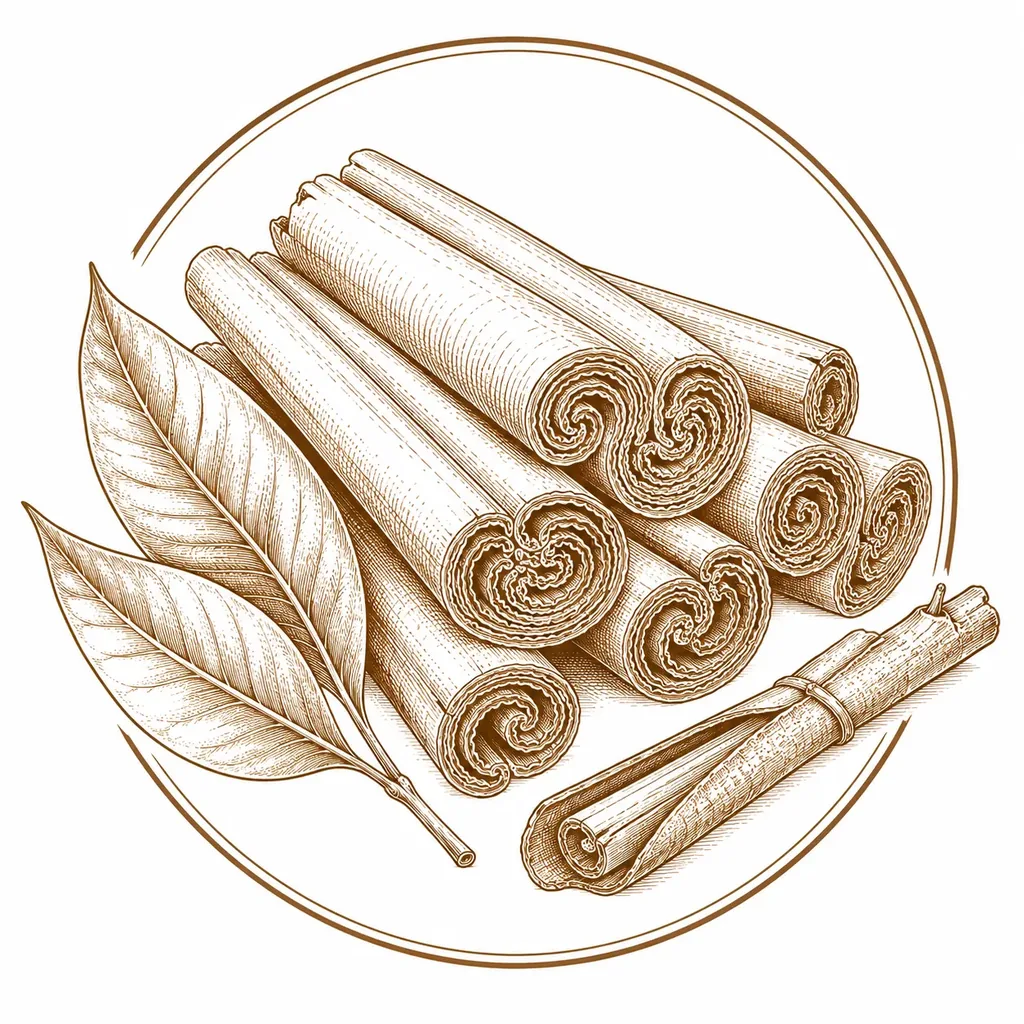
    Cinnamon sticks, also called quills, are simply lengths of dried cinnamon bark that have curled into a roll as they dry. In true Ceylon cinnamon they are made of many thin, papery layers rolled tightly together, which is why genuine Ceylon sticks are pale, brittle and easily crumbled, unlike the hard, thick single curl of a cassia stick. They are one of the most versatile and long-lasting ways to buy and use cinnamon.

    This guide covers everything you need to know about cinnamon sticks: what they are, how “sticks” and “quills” differ, how Ceylon and cassia sticks compare, the sizes and grades you will see, how to use them, and how they compare with ground cinnamon. For the wider context of forms and quality, see our pillar guide on Ceylon cinnamon grades.

    What is a cinnamon stick?

    A cinnamon stick is a piece of dried cinnamon bark that has rolled into a tube or scroll as it dried. When cinnamon is harvested, the thin inner bark is peeled from the shoots and left to dry; as it loses moisture it naturally curls, forming the familiar stick shape. In true Ceylon cinnamon, several thin layers of bark are nested and rolled together, so the finished stick is made of many delicate sheets rather than one thick piece.

    Cinnamon sticks vs cinnamon quills: are they the same?

    In everyday use, “cinnamon stick” and “cinnamon quill” mean the same thing, a rolled length of dried cinnamon bark. “Quill” is the more traditional term used in the cinnamon trade, especially for Ceylon cinnamon, while “stick” is the common everyday word. So if you see Ceylon cinnamon sold as “quills,” these are simply cinnamon sticks by another name. The word quill nicely captures the way the fine Ceylon bark is rolled, much like a rolled scroll.

    Ceylon cinnamon sticks vs cassia sticks

    Not all cinnamon sticks are alike, and the difference is easiest to see in whole-stick form.

    How true Ceylon cinnamon sticks compare with cassia sticks.
    FeatureCeylon cinnamon sticksCassia sticks
    StructureMany thin layers rolled togetherOne thick, hard layer
    TextureThin, brittle, easy to crumbleHard and woody
    ColourPale tanDarker reddish-brown
    AromaSweet, delicate, complexStrong and pungent

    Because the structure of the stick is so hard to fake, whole sticks are one of the best ways to tell true Ceylon cinnamon from cassia, as explained in our guide to identifying authentic Ceylon cinnamon.

    Sizes and grades of cinnamon sticks

    Ceylon cinnamon sticks come in a range of lengths and thicknesses, and their quality is described by a grading system. Finer, thinner quills such as the delicate Alba grade are the most prized, while thicker grades are coarser. Sticks are also cut to different lengths for different markets and uses. Knowing the grade helps you judge quality and value, which is set out in our pillar guide to Ceylon cinnamon grades. For everyday cooking, a mid-range grade is usually perfectly good; the very finest grades are prized as much for their appearance and delicacy as for flavour.

    How to use cinnamon sticks

    Cinnamon sticks are wonderfully versatile, and they shine wherever you want to infuse flavour slowly and cleanly.

    Infusing liquids

    Drop a stick into simmering milk, cream, syrup, tea, mulled drinks, stews or rice dishes to release a gentle, even cinnamon flavour, then remove it before serving. This is one of the best ways to use sticks, and it avoids any powdery texture.

    Grinding your own powder

    Because whole sticks keep their aroma far longer than pre-ground cinnamon, many cooks grind sticks fresh as needed for a brighter flavour. Ceylon sticks are brittle and grind easily.

    Slow-cooked and savoury dishes

    Whole sticks are ideal for curries, pilaus, tagines and braises, where they can cook for a long time and be lifted out at the end. More ideas are covered in our guide to the culinary uses of Ceylon cinnamon.

    Cinnamon sticks vs ground cinnamon

    Both forms are useful, and choosing between them depends on the job. Whole sticks are best for infusing liquids, for long-cooked dishes, and for keeping cinnamon fresh, because their small surface area means they hold their aromatic oils for a long time. Ground cinnamon is more convenient for baking and for dishes where you want the flavour dispersed evenly through a batter or mix, but it loses its aroma more quickly once ground. A practical approach many cooks take is to keep whole sticks for infusing and long cooking, and a small, fresh jar of powder for baking, grinding more from sticks when needed. The trade-offs are part of buying well, as discussed in our Ceylon cinnamon buying guide.

    Can you reuse cinnamon sticks?

    Yes, up to a point. A cinnamon stick used to infuse a liquid can often be rinsed, dried and used once or twice more, though each use gives a milder flavour as its aromatic oils are gradually spent. A good test is aroma: if a rinsed, dried stick still smells sweet and fragrant when you snap or scrape it, it still has flavour to give; if it smells faint, it is spent. Reusing sticks is a nice way to get extra value from good-quality Ceylon cinnamon.

    How to store cinnamon sticks

    Cinnamon sticks are among the longest-lasting forms of the spice, but they still need protecting. Keep them in an airtight container in a cool, dark, dry place, away from heat, light and moisture. Stored this way, whole Ceylon cinnamon sticks stay fragrant for a few years, considerably longer than ground cinnamon. Full storage guidance is set out in our guide to how to store Ceylon cinnamon properly.

    Buying good cinnamon sticks

    When buying cinnamon sticks, the same principles apply as for any cinnamon: look for the botanical name Cinnamomum verum and a Sri Lankan origin if you want true Ceylon cinnamon, and favour sticks that are pale, thin and layered rather than hard, dark and single-walled. Being able to see whole sticks is an advantage, because their structure reveals so much about authenticity and quality. Whether you buy small quantities for everyday cooking or larger amounts of quills, choosing genuine, well-made sticks sets you up for the best flavour.

    Summary

    Cinnamon sticks, or quills, are lengths of dried cinnamon bark that curl as they dry. In true Ceylon cinnamon they are made of many thin, papery layers, making them pale, brittle and easy to crumble, in contrast to the hard, thick single curl of cassia. “Stick” and “quill” mean the same thing, with quill the traditional trade term. Sticks come in various grades and sizes, from delicate Alba to coarser grades, and they excel at infusing liquids, flavouring slow-cooked dishes and being ground fresh for a brighter powder. They keep their aroma far longer than ground cinnamon, can often be reused once or twice, and store best in an airtight container somewhere cool, dark and dry. For genuine flavour, choose pale, layered sticks of Cinnamomum verum from Sri Lanka.

    Frequently asked questions

    Are cinnamon sticks and quills the same thing?

    Yes. Both terms describe a rolled length of dried cinnamon bark. “Quill” is the traditional trade term, especially for Ceylon cinnamon, while “stick” is the everyday word.

    How can I tell a Ceylon cinnamon stick from a cassia stick?

    A Ceylon stick is pale, thin and made of many soft layers that crumble easily, while a cassia stick is dark, thick, hard and formed of a single woody curl. The layered structure is the clearest sign.

    Can you reuse a cinnamon stick?

    Often once or twice. After infusing, rinse and dry the stick; if it still smells sweet when snapped or scraped it has flavour left, though each use is milder. Once it smells faint, it is spent.

    Do cinnamon sticks last longer than ground cinnamon?

    Yes. Whole sticks have far less surface area exposed to air, so they keep their aroma for a few years when stored airtight, cool and dark, whereas ground cinnamon is best used within about six to twelve months.

    This website provides educational information about Ceylon Cinnamon as a spice and food ingredient. It is not intended to provide medical advice or make health claims.

  • Ceylon Cinnamon vs Cassia: The Coumarin Difference

    Ceylon Cinnamon vs Cassia: The Coumarin Difference

    The single biggest chemical difference between Ceylon cinnamon and cassia is coumarin, a naturally occurring aromatic compound. Ceylon cinnamon (Cinnamomum verum) contains only trace amounts of it, while cassia contains substantially more. This difference in coumarin content is one of the main reasons the two spices are treated as distinct, and it is a key point for anyone choosing between them.

    If you have read that “real” cinnamon and the common supermarket kind differ in coumarin, this guide explains exactly what that means. It looks at what coumarin is, how much of it each spice contains, why the gap exists, and why it matters when you are deciding which cinnamon to buy. For the wider comparison, see our pillar guide on Ceylon cinnamon vs cassia.

    What is coumarin?

    Coumarin is a naturally occurring aromatic compound found in many plants, including certain grasses, tonka beans, and the bark of cassia cinnamon. It contributes to the warm, sweet, hay-like scent associated with those plants. In cinnamon, coumarin occurs naturally in the bark, and the amount present depends heavily on the species of tree the bark comes from. It is, in other words, simply part of the plant’s natural chemistry rather than an additive.

    How much coumarin is in Ceylon vs cassia?

    This is where the two spices diverge sharply. Ceylon cinnamon contains only trace amounts of coumarin, so little that it is often described as negligible. Cassia, by contrast, contains considerably more. Published analyses have reported that cassia can contain many times the coumarin found in Ceylon cinnamon; figures vary by source and sample, but the consistent finding is a large gap, with cassia measuring substantially higher across studies.

    The practical takeaway is straightforward: if you want cinnamon with very low coumarin, you want genuine Ceylon cinnamon. Because most supermarket cinnamon is actually cassia, as explained in what is true Ceylon cinnamon, the everyday product many people use is the higher-coumarin type without their realising it.

    Why the difference exists

    The coumarin gap comes down to botany. Ceylon cinnamon and cassia are not the same plant. Ceylon cinnamon is the bark of Cinnamomum verum, native to Sri Lanka, while “cassia” is a group of related species, most commonly Cinnamomum cassia, Cinnamomum burmannii and Cinnamomum loureiroi, grown mainly in China, Indonesia and Vietnam. Each species produces bark with a different natural chemistry, and the cassia species simply contain more coumarin than Cinnamomum verum does. The compound is natural to the plant, so no amount of processing turns a high-coumarin cassia into a low-coumarin Ceylon cinnamon; the difference is fixed by which tree the bark came from.

    Ceylon vs cassia: coumarin at a glance

    A simplified comparison focused on coumarin. See the full guide for all differences.
    FeatureCeylon CinnamonCassia Cinnamon
    Botanical sourceCinnamomum verumC. cassia, C. burmannii, C. loureiroi
    Coumarin contentTrace / very lowSubstantially higher
    Main originSri LankaChina, Indonesia, Vietnam
    Typical priceHigherLower
    Common useSought out deliberatelyMost common supermarket cinnamon

    Why coumarin content matters when buying cinnamon

    For occasional use, both spices are enjoyed in kitchens worldwide. But coumarin content becomes a consideration for people who use cinnamon frequently or in large quantities, for example, those who add a spoonful to food or drinks every day. Such users often deliberately choose Ceylon cinnamon precisely because of its very low coumarin content. Food-safety authorities in some regions have published guidance on coumarin as a food component, which is part of why labelling the species has become more important to informed shoppers. This website does not offer health advice; the point here is simply that the two spices differ measurably in this compound, and that difference is a factual reason many people seek out true cinnamon.

    Can you tell coumarin content by looking?

    No. You cannot see, smell or taste coumarin levels directly, and there is no reliable home test for the exact amount. What you can do is identify which species you have, because coumarin content follows from the species. Genuine Ceylon cinnamon has thin, papery, multi-layered quills and a light colour, while cassia is a thick, hard single curl in a darker reddish-brown, as covered in how to identify authentic Ceylon cinnamon. Identifying the species is, in effect, how you judge the likely coumarin level.

    The role of the label

    Because appearance is only a guide, the label remains the most dependable clue. Genuine Ceylon cinnamon is usually named as such and often lists Cinnamomum verum (or the older name zeylanicum) and Sri Lanka as the origin. A jar marked simply “cinnamon”, with no species or origin, is far more likely to be cassia and therefore higher in coumarin. Reading the label carefully is the single most practical step you can take, a theme we return to in the Ceylon cinnamon buying guide.

    Is cassia’s coumarin a reason to avoid it entirely?

    Not necessarily. Cassia is a genuine, widely used spice with a bold, warming flavour that suits many dishes, and it has been part of cooking around the world for a very long time. The coumarin difference does not make cassia “bad”, it simply makes it different, and it is a factor that matters more the more cinnamon you use. The sensible approach is to know which spice you are buying so you can choose intentionally: cassia for its punchy flavour in the right dishes, Ceylon when you specifically want the low-coumarin, delicately flavoured true cinnamon.

    How is coumarin in cinnamon measured?

    Coumarin content is not something you can gauge at home; it is determined in a laboratory. Analysts typically use techniques such as high-performance liquid chromatography (HPLC) to separate and quantify the compound in a bark sample, reporting the result as a percentage of the sample’s weight or in milligrams per kilogram. This is why any figure you see quoted comes from laboratory testing rather than casual observation, and why reputable suppliers of Ceylon cinnamon can sometimes provide a certificate of analysis showing the measured content. For the ordinary shopper, though, the species and origin on the label remain the practical shortcut, since the laboratory numbers consistently track the botanical difference between Cinnamomum verum and the cassia species.

    Does the coumarin difference affect flavour?

    Coumarin contributes to the warm, sweet, hay-like note in the background of cinnamon’s aroma, so it plays a small part in the overall scent, but it is not the main driver of cinnamon’s flavour. The bigger flavour differences between Ceylon and cassia come from other compounds and from the concentration of the essential oils in the bark: cassia tends to be stronger, hotter and more pungent, while Ceylon is more delicate, sweet and complex. In other words, the coumarin gap and the flavour gap are related, both stem from the different species, but you should think of coumarin primarily as a compositional difference rather than the reason the two spices taste distinct. The flavour contrast is covered more fully in the Ceylon cinnamon vs cassia pillar guide.

    How coumarin fits the bigger picture

    Coumarin is only one of several ways Ceylon cinnamon and cassia differ. They also diverge in appearance, aroma, flavour, bark structure and price, all of which are covered in the pillar guide on Ceylon cinnamon vs cassia. What makes coumarin especially useful as a talking point is that it is a concrete, measurable chemical distinction rather than a matter of taste, a clear marker of the fact that these really are two different spices from two different groups of trees.

    Summary

    The coumarin difference is one of the defining distinctions between Ceylon cinnamon and cassia. Coumarin is a naturally occurring aromatic compound present in cinnamon bark, and its level depends on the species: Ceylon cinnamon (Cinnamomum verum) contains only trace amounts, while cassia species contain substantially more. You cannot detect coumarin directly, so the practical way to judge it is to identify the species, through the quill’s appearance and, most reliably, the label. Cassia is not “bad”, but people who use cinnamon frequently often choose genuine Ceylon cinnamon precisely for its very low coumarin content.

    Frequently asked questions

    Does Ceylon cinnamon contain coumarin?

    Only in trace amounts. Ceylon cinnamon (Cinnamomum verum) is very low in coumarin compared with cassia, which contains substantially more.

    Which cinnamon is higher in coumarin, Ceylon or cassia?

    Cassia. Cassia species contain considerably more coumarin than Ceylon cinnamon, which contains only trace levels.

    Can I tell how much coumarin cinnamon has by looking at it?

    Not directly. But you can identify the species from the quill’s appearance and the label, and coumarin content follows from the species, Ceylon is low, cassia is higher.

    Is the cinnamon in supermarkets high in coumarin?

    Often, because most supermarket cinnamon is cassia rather than Ceylon. Check the label for Cinnamomum verum and Sri Lanka if you want the low-coumarin true cinnamon.

    This website provides educational information about Ceylon Cinnamon as a spice and food ingredient. It is not intended to provide medical advice or make health claims.

  • Is Ceylon Cinnamon Real Cinnamon?

    Is Ceylon Cinnamon Real Cinnamon?

    Yes, Ceylon cinnamon is real cinnamon. In fact, it is often called “true cinnamon” because it comes from Cinnamomum verum, the species botanists regard as the original, genuine cinnamon. The confusion arises because most of the cinnamon sold worldwide is actually cassia, a related but different group of species. Both are sold under the single word “cinnamon”, yet only Ceylon cinnamon is the true article native to Sri Lanka.

    If you have ever stood in a supermarket aisle wondering whether the jar in your hand is “real” cinnamon, you are asking exactly the right question. The short answer is that Ceylon cinnamon is the genuine, original spice, while the more common product is usually cassia. This guide explains what “real cinnamon” actually means, why the confusion exists, and how to tell what you have. For the full picture, see our pillar guide on what is true Ceylon cinnamon.

    What does “real cinnamon” actually mean?

    Botanically, “true cinnamon” is the dried inner bark of Cinnamomum verum (also written Cinnamomum zeylanicum), an evergreen tree native to Sri Lanka. The word verum is Latin for “true”, and the species name records centuries of recognition that this particular tree produces the authentic spice. So when people ask whether Ceylon cinnamon is “real”, the answer is that it is the reference point against which every other cinnamon is compared.

    The complication is that “cinnamon” is also used loosely as a general culinary term. Several other trees in the Cinnamomum genus produce aromatic bark that is sold and cooked with as cinnamon. These are collectively known as cassia. Cassia is a genuine spice in its own right, not a counterfeit, but it is not the same species as true cinnamon and it has a noticeably different character.

    Ceylon cinnamon vs the cinnamon most people buy

    Most of the ground cinnamon and cinnamon sticks on ordinary supermarket shelves are cassia rather than Ceylon. Cassia comes mainly from China, Indonesia and Vietnam, and it is cheaper to grow and process, which is why it dominates the global market. Because both are labelled simply “cinnamon”, shoppers rarely realise there is a difference at all. We look at this in depth in Ceylon cinnamon vs cassia, but the essential point is this: cassia is real cassia, and Ceylon is real, true cinnamon. They are cousins, not the same plant.

    Why the name “cinnamon” causes so much confusion

    The word cinnamon has been applied broadly for a very long time. In many countries there is no legal requirement to distinguish Ceylon cinnamon from cassia on the label, so both are marketed under the same familiar name. A jar simply marked “cinnamon” could contain either. This is not usually deliberate deception, it reflects a long culinary tradition of treating all these barks as one spice. The result, though, is that a shopper who wants genuine Ceylon cinnamon has to look beyond the headline word and check the details.

    Another source of confusion is language. In some European languages the two are clearly separated by different words, while in English “cinnamon” covers both. So whether Ceylon cinnamon is “the real one” partly depends on which naming tradition you follow. In botanical and quality terms, however, Cinnamomum verum is unambiguously the true cinnamon.

    What makes Ceylon cinnamon the “true” cinnamon

    Three things underpin Ceylon cinnamon’s claim to be the genuine article. The first is botany: it is the specific species, Cinnamomum verum, that carries the name “true cinnamon”. The second is history: Sri Lanka (historically called Ceylon) has been the heartland of cinnamon cultivation and the source of the finest cinnamon in world trade for centuries, a story told in our history of Ceylon cinnamon. The third is craft: Ceylon cinnamon is hand-peeled into delicate, papery layers by skilled workers, giving it its distinctive fine quills.

    These qualities are also why Ceylon Cinnamon now enjoys formal recognition. The name is protected as a Geographical Indication tied to Sri Lanka, which means “Ceylon Cinnamon” is not just a marketing phrase but a designation linked to a specific origin and standard.

    How to tell if your cinnamon is genuine Ceylon

    You can often tell the two apart with a few simple checks, even without any special equipment. Genuine Ceylon cinnamon tends to show these characteristics:

    Appearance

    Ceylon quills are thin, papery and rolled into many nested layers, a little like a cigar made of fine bark. Cassia is usually a thick, hard, hollow single curl. Ceylon is also lighter in colour, a warm tan or golden brown, while cassia is a darker reddish-brown. There is more on this in how to identify authentic Ceylon cinnamon.

    Aroma and taste

    True cinnamon has a delicate, sweet, fragrant aroma with a complex, mellow flavour. Cassia is stronger, hotter and more pungent. If a cinnamon tastes fiery and one-dimensional, it is more likely cassia; if it is soft, sweet and layered, it is more likely Ceylon.

    Texture

    Because the bark is so thin, Ceylon cinnamon crumbles easily and can be broken or ground by hand. Cassia is hard and woody and tends to snap rather than crumble.

    The label

    The most reliable clue of all is the label. Genuine Ceylon cinnamon is usually named as such, and often lists the botanical name Cinnamomum verum (or zeylanicum) and Sri Lanka as the origin. If a product simply says “cinnamon” with no species or origin, it is more likely to be cassia.

    Is cassia “fake” cinnamon?

    No. It is important to be fair here: cassia is not a fake or a fraud. It is a real spice from real Cinnamomum trees, and it has been used in cooking around the world for a very long time. Its bold, warming flavour is exactly what many classic dishes call for. The point is simply that cassia is a different spice from true cinnamon, with a different species, origin, appearance and flavour profile. Calling Ceylon “true cinnamon” is a botanical distinction, not a judgement that cassia is worthless.

    What matters for you as a cook or buyer is knowing which one you are getting, so you can choose the right spice for the job and pay a fair price for it. If you specifically want the delicate, complex character of genuine Ceylon cinnamon, you need to look for it by name rather than trusting the generic word “cinnamon”.

    A note on the botanical names

    You may see genuine Ceylon cinnamon listed under two scientific names: Cinnamomum verum and Cinnamomum zeylanicum. These refer to the same tree, zeylanicum is an older name derived from “Zeylan”, an historic spelling of Ceylon, while verum (“true”) is the name in common modern use. Either name on a label points to the authentic species. Cassia, by contrast, is sold under several different species names, most commonly Cinnamomum cassia (Chinese cassia), Cinnamomum burmannii (Indonesian or Korintje) and Cinnamomum loureiroi (Saigon or Vietnamese). Seeing one of these cassia names, or no species name at all, is a good sign that the product is not true Ceylon cinnamon.

    Which should you use in cooking?

    Neither spice is “better” in every situation, they simply suit different purposes. The bold, hot punch of cassia can stand up well to heavy bakes and long-simmered dishes, while the gentle, sweet complexity of Ceylon cinnamon shines in delicate desserts, drinks and dishes where you want fragrance rather than fire. Knowing that your jar might be either one helps you season with intention: if a recipe tastes harsher than expected, you may be using cassia; if you want a softer, more aromatic result, seek out genuine Ceylon. Our guide to the culinary uses of Ceylon cinnamon looks at this in more detail.

    Why people increasingly seek out real Ceylon cinnamon

    Interest in authentic Ceylon cinnamon has grown as more people learn that the two spices are distinct. Some are drawn by its refined flavour for baking and beverages; others simply want to know exactly what they are buying and cooking with. Whatever the motivation, the demand for clear labelling and genuine origin is a positive development, because it rewards the farmers and peelers in Sri Lanka who produce the true spice. You can read about them in our guide to Sri Lankan cinnamon farming.

    Summary

    Ceylon cinnamon is unquestionably real cinnamon, it is the original, “true” cinnamon, produced from Cinnamomum verum in Sri Lanka. The reason the question comes up at all is that most cinnamon sold worldwide is cassia, a related but different and cheaper group of species, and both are labelled simply as “cinnamon”. Cassia is a genuine spice too, just not the true cinnamon. To be sure you are buying the real Ceylon article, look for thin, papery, multi-layered quills, a light colour, a sweet and delicate aroma, and a label that names Cinnamomum verum and Sri Lanka.

    Frequently asked questions

    Is Ceylon cinnamon the same as true cinnamon?

    Yes. Ceylon cinnamon comes from Cinnamomum verum, the species known as “true cinnamon”. The two terms refer to the same spice.

    Is the cinnamon in my supermarket real cinnamon?

    It is usually cassia rather than Ceylon. Cassia is a real spice, but it is a different species from true Ceylon cinnamon. Check the label for the species name and origin to be sure.

    Is cassia fake cinnamon?

    No. Cassia is a genuine spice from Cinnamomum trees and is widely used in cooking. It is simply not the same as true Ceylon cinnamon, which comes from Cinnamomum verum.

    How can I tell if cinnamon is genuine Ceylon?

    Look for thin, papery quills rolled in many layers, a light tan colour, a sweet delicate aroma, and a label naming Cinnamomum verum and Sri Lanka.

    This website provides educational information about Ceylon Cinnamon as a spice and food ingredient. It is not intended to provide medical advice or make health claims.