In Sri Lanka, cinnamon is woven into festivals and celebrations mainly through food. As a home-grown spice, Ceylon cinnamon flavours the sweets, cakes and festive dishes that appear at times such as the Sinhala and Tamil New Year, weddings, and religious and seasonal celebrations. Its warm, sweet aroma is part of the taste of a Sri Lankan feast, adding fragrance to traditional treats and marking special occasions with a familiar, comforting scent.
Cinnamon is more than an everyday spice in Sri Lanka; it is part of the island’s celebrations. This guide looks at how Ceylon cinnamon features in Sri Lankan festivals and special occasions. It builds on our pillar guide to the culinary uses of Ceylon cinnamon.
The short answer
Cinnamon appears in Sri Lankan festivals chiefly as a flavouring in festive food, from New Year sweets to celebration cakes and spiced dishes. Because true cinnamon is native to Sri Lanka, it is a natural part of the island’s traditional cooking, and it comes to the fore at celebrations when special sweets and dishes are prepared. Its warm scent is closely tied to the atmosphere of a Sri Lankan feast.
Cinnamon and the Sri Lankan table
To understand cinnamon’s place in celebrations, it helps to remember how central it is to Sri Lankan cooking in general. As the home of true cinnamon, Sri Lanka uses the spice in a wide range of dishes, both sweet and savoury. So when families gather to celebrate and prepare special food, cinnamon is one of the familiar spices that naturally finds its way into the pot and the mixing bowl. Its presence at festivals is really an extension of its everyday role, brought into sharper focus by the richer, more elaborate cooking that marks special days. This connection to traditional cooking is described in our guide to the traditional uses of cinnamon in Sri Lankan culture.
The Sinhala and Tamil New Year
One of the most important celebrations in Sri Lanka is the traditional New Year, known as Avurudu, marked by both Sinhala and Tamil communities in April. Food is at the heart of the festivities, and tables are laden with an array of traditional sweetmeats. Many of these festive treats are spiced, and warm spices including cinnamon help give them their characteristic flavour and fragrance. The New Year is a time of sharing food with family and neighbours, and the aromatic sweets, often prepared at home, carry the comforting scent of spices that says celebration to many Sri Lankans.
Festive sweets and treats
Sri Lankan celebrations are famous for their sweets, and spices are a key part of what makes them special. Traditional sweetmeats and confections, prepared for New Year, weddings and other occasions, often draw on warm, fragrant spices to enrich their flavour. Cinnamon, with its sweet and gentle character, sits comfortably among these festive flavours. Whether in syrupy treats, spiced doughs or rich confections, a note of cinnamon adds warmth and depth that suits the celebratory mood. The result is food that not only tastes special but fills the home with an inviting aroma.
Cinnamon in celebration cakes
Cake has an important place in Sri Lankan celebrations, particularly rich, spiced cakes served at Christmas, weddings and other big occasions. These cakes are known for their generous use of dried fruit and warm spices, and cinnamon is among the spices that give them their deep, festive flavour. A slice of celebration cake, dense and fragrant, is a familiar part of marking a special day in many Sri Lankan homes. Here cinnamon works alongside other spices to create the rich, aromatic character that sets festive baking apart from everyday fare. Our guide to Ceylon cinnamon in baking looks more closely at how the spice behaves in cakes and bakes.
Cinnamon in celebrations at a glance
| Occasion | How cinnamon features |
|---|---|
| Sinhala and Tamil New Year | Flavour in festive sweetmeats and treats |
| Weddings | Spice in celebration cakes and rich dishes |
| Christmas and seasonal feasts | Warm spice in rich fruit cakes |
| Family gatherings | Fragrance in special sweet and savoury dishes |
Savoury festive dishes
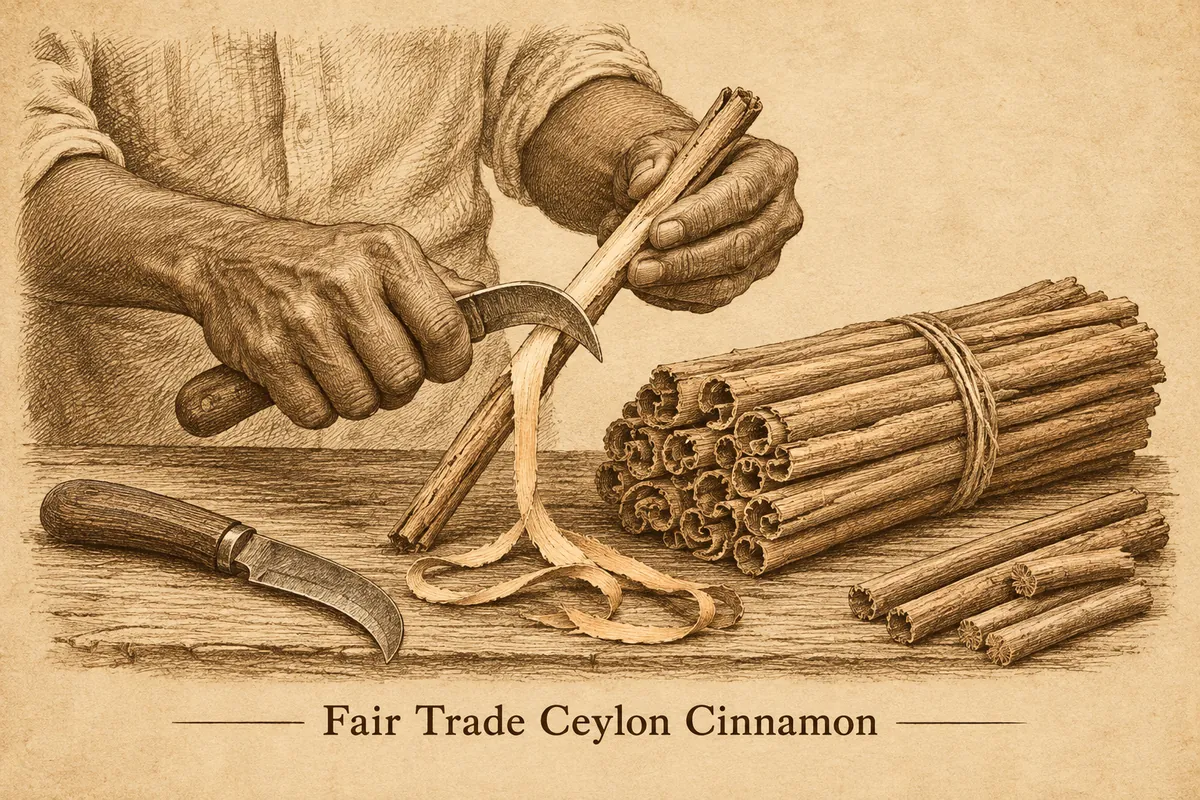
Cinnamon’s festive role is not limited to sweets. Sri Lankan celebration meals often include rich rice dishes and elaborate curries, and whole cinnamon quills are a common addition to these, lending a warm background note to the dish. A celebratory rice cooked with spices, or a special curry prepared for guests, may well carry a piece of cinnamon among its flavourings. In this way the spice bridges the sweet and savoury sides of a feast, appearing in the main dishes as well as the desserts. This mirrors its everyday use in cooking with cinnamon sticks, simply made richer for special occasions.
The scent of celebration
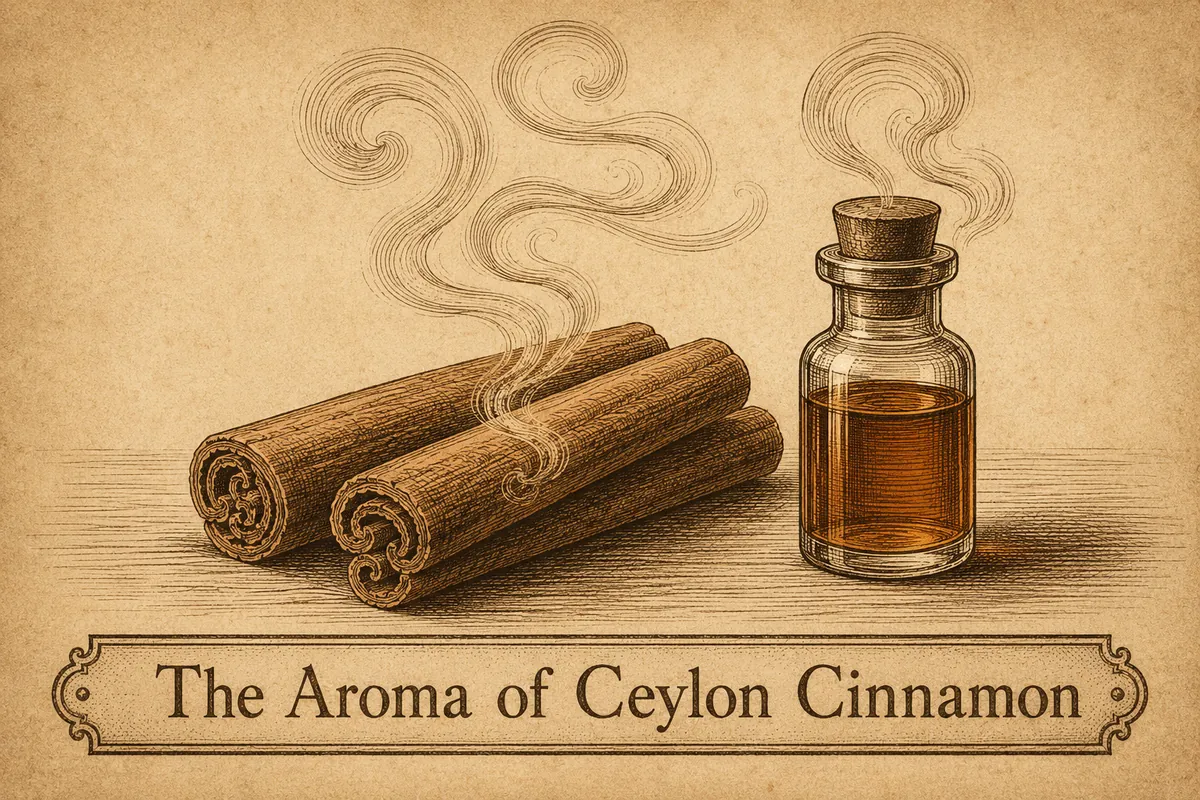
Beyond any single dish, cinnamon contributes to something less tangible: the atmosphere of a celebration. The warm, sweet smell of spices drifting from the kitchen as festive food is prepared is, for many people, part of the very feeling of a special day. Cinnamon, as one of the classic warm spices, plays its part in this. The aroma becomes tied to memories of family gatherings, shared meals and happy occasions, so that later in life the scent of cinnamon can bring those celebrations to mind. In this sense the spice is woven into the emotional fabric of Sri Lankan festivities, not just the food.
Preparing festival food together
Part of what makes cinnamon so bound up with celebration in Sri Lanka is the way festive food is made. The elaborate sweets and cakes of a special occasion are often prepared at home, sometimes over several days, with family members working together to measure, mix, fry and bake. Warm spices like cinnamon are part of this shared ritual, their scent filling the house as the cooking goes on. For many people, memories of a grandmother’s kitchen or a busy pre-festival household are tied to exactly these aromas. Cinnamon, then, is not only an ingredient but a thread in a communal activity, one that draws generations together around the preparation of food. This is a large part of why the spice feels so closely linked to the warmth and togetherness of Sri Lankan celebrations.
Welcoming guests with spiced treats
Hospitality is central to Sri Lankan celebrations, and serving food to guests is an important part of any occasion. When visitors arrive during a festival, they are typically welcomed with an array of sweets and treats, many of them spiced. Cinnamon’s gentle warmth makes it well suited to these welcoming foods, adding a pleasant fragrance to what is set before guests. In this way the spice plays a small but real part in the rituals of hospitality that give Sri Lankan celebrations their generous, open character.
A spice rooted in the island’s identity
There is a special fittingness in cinnamon featuring so naturally in Sri Lankan celebrations, because the spice is so closely tied to the island itself. True Ceylon cinnamon comes from Sri Lanka, and it has been part of the country’s story for centuries, as our guide to the history of Ceylon cinnamon describes. Using this home-grown spice at festivals is a quiet celebration of the island’s own heritage. Every fragrant sweet and spiced dish is, in a small way, a nod to one of Sri Lanka’s most famous gifts to the world.
Frequently asked questions
How is cinnamon used in Sri Lankan festivals?
Mainly as a flavouring in festive food. Cinnamon features in the sweetmeats and treats made for the Sinhala and Tamil New Year, in rich celebration cakes for weddings and Christmas, and in special rice dishes and curries prepared for gatherings. Its warm aroma is part of the feel of a Sri Lankan feast.
Is cinnamon used in Sinhala and Tamil New Year food?
Yes. The traditional New Year, or Avurudu, is celebrated with a wide array of sweetmeats, many of them spiced. Warm spices including cinnamon help give these festive treats their characteristic flavour and fragrance, prepared and shared among family and neighbours.
Why is cinnamon important in Sri Lankan celebrations?
Because true cinnamon is native to Sri Lanka and central to the island’s cooking, so it naturally features in the special food made for celebrations. Its sweet, warm character suits festive sweets, cakes and dishes, and its aroma is closely tied to the atmosphere of a feast.
Does cinnamon appear in Sri Lankan celebration cakes?
Yes. Rich, spiced cakes made for Christmas, weddings and other big occasions use generous amounts of dried fruit and warm spices, and cinnamon is among the spices that give these cakes their deep, festive flavour.
Summary
In Sri Lanka, cinnamon is part of celebration through food. As the island’s own famous spice, Ceylon cinnamon flavours the festive sweets of the Sinhala and Tamil New Year, the rich cakes of weddings and Christmas, and the special rice dishes and curries of family gatherings. Its warm, sweet aroma is bound up with the atmosphere of a feast and with memories of shared occasions. Using this home-grown spice at festivals is a natural celebration of the island’s heritage, so that a note of cinnamon in a festive dish carries not just flavour but a sense of place and belonging.
This website provides educational information about Ceylon Cinnamon as a spice and food ingredient. It is not intended to provide medical advice or make health claims.